Peter and Sons Garage Door Chicago

Can a Soundproof Garage Door Really Reduce Noise?
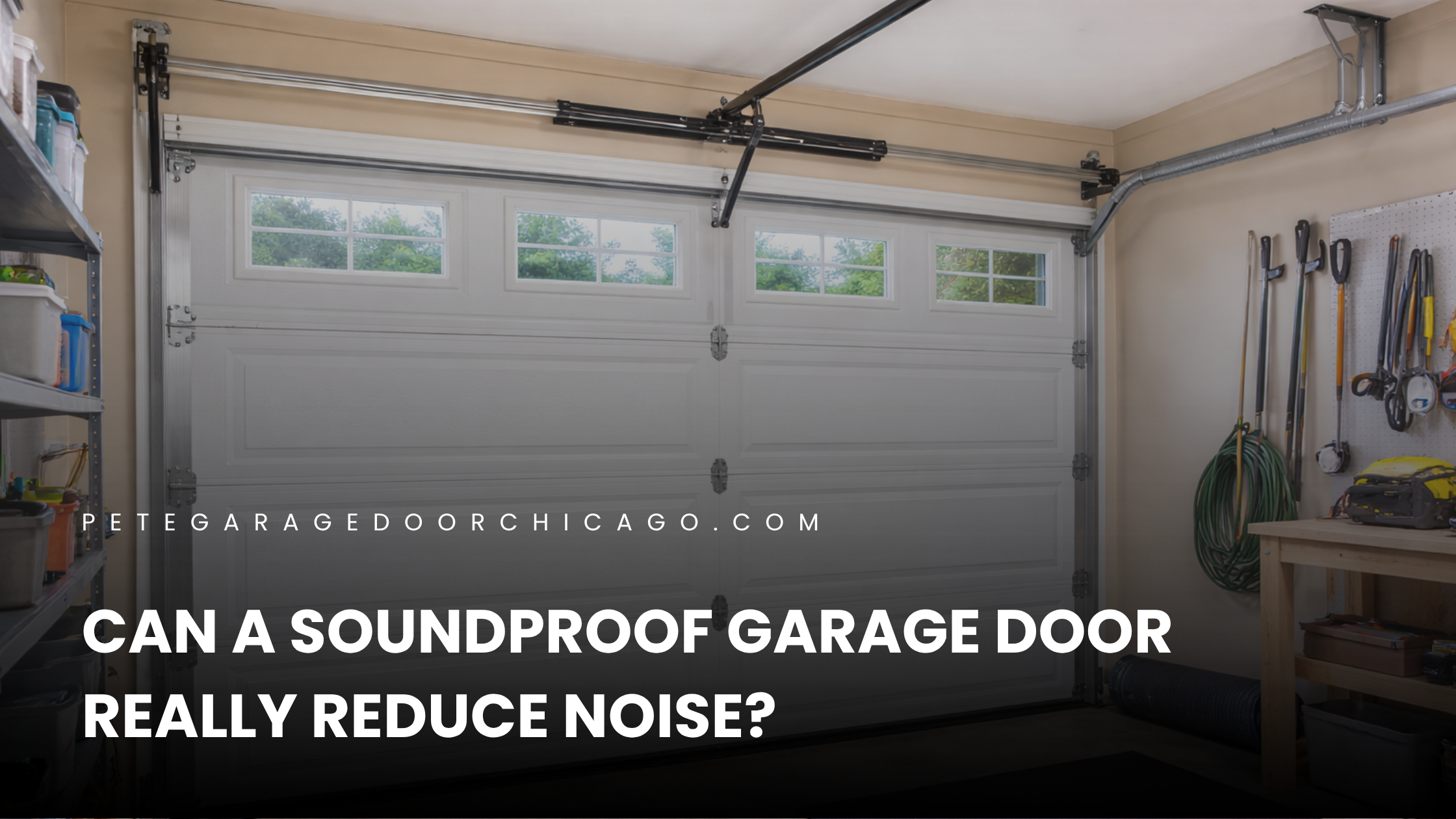
Noise has a way of creeping into everyday life, especially in homes located near busy streets, shared driveways, or active neighborhoods. While windows and walls are often the focus of sound control, the garage door is one area that gets overlooked.
Because it covers a large opening and is often less insulated than surrounding walls, it can allow noise to pass through more easily. This is where a soundproof garage door becomes a practical upgrade.
Garage spaces are no longer just for parking. Many homeowners use them as workshops, gyms, or storage areas, which makes noise control more important. Reducing sound transfer through the garage door can improve comfort not only inside the garage but also in rooms connected to it.
Understanding how soundproofing works and what to expect from a garage door upgrade helps set realistic expectations before making a decision.
How Sound Travels Through a Garage Door
Sound moves through air and solid materials. When noise hits a garage door, it can pass through thin panels, gaps around the frame, or vibrations in the door itself. Standard garage doors, especially single-layer steel models, do little to block sound because they lack insulation and density.
Gaps around the edges of the door also allow sound to leak in and out. Even small openings can make a noticeable difference in how much noise enters the garage.
A soundproof garage door works by reducing these pathways. It uses materials and construction methods that absorb or block sound waves instead of allowing them to pass through.
What Makes a Garage Door “Soundproof”
No garage door can eliminate all noise completely, but certain features can significantly reduce sound levels. The goal is to limit how much sound passes through the door and reduce vibrations that carry noise.
Key features found in a soundproof garage door include:
- Insulated multi-layer construction
- Dense core materials that absorb sound
- Tight weather seals around all edges
- Heavier panels that reduce vibration
- Reinforced frames for added stability
These elements work together to create a barrier that limits sound transmission. The combination of density and sealing is what makes the biggest difference.
Realistic Expectations for Noise Reduction
It’s important to understand that soundproofing does not mean complete silence. Instead, it means reducing noise to a more manageable level.
For example, traffic noise, neighborhood activity, or nearby construction may still be heard, but at a lower volume. Inside the garage, loud equipment or tools will also produce less sound outside when the door is closed.
The level of improvement depends on the door’s construction, the quality of installation, and other factors such as wall insulation and ceiling structure.
A well-designed soundproof garage door can make a noticeable difference in everyday comfort, especially in homes where the garage connects directly to living spaces.
When a Soundproof Garage Door Makes Sense
Not every home requires soundproofing, but certain situations make it more beneficial. Homes located near main roads, schools, or commercial areas often experience higher noise levels throughout the day.
Garages used as workspaces or hobby areas also benefit from sound reduction. If you use power tools, exercise equipment, or music systems in the garage, limiting noise transfer can improve the experience for both you and your neighbors.
In homes with bedrooms or living areas above the garage, reducing sound transfer becomes even more important for maintaining a quiet indoor environment.
Additional Ways to Improve Sound Control
While the garage door plays a major role, other factors also affect how sound moves through the garage. Improving these areas can enhance the effectiveness of a soundproofing upgrade.
Additional improvements to consider:
- Sealing gaps around the door frame
- Adding insulation to garage walls and ceilings
- Using rubber seals or thresholds at the base of the door
- Installing vibration-reducing hardware
- Keeping the door properly aligned and balanced
Combining these steps with a well-built garage door creates a more complete approach to noise control.
Material Choices and Their Impact
The materials used in a garage door influence how well it reduces sound. Heavier materials tend to block more noise because they resist vibration and absorb sound waves more effectively.
Steel doors with insulated cores are one of the most common options for sound reduction. Composite materials can also perform well because they combine density with resistance to moisture and temperature changes.
Glass-heavy designs, while visually appealing, may allow more sound to pass through unless they use specialized insulated panels. Choosing the right material depends on both design preferences and the level of noise reduction needed.
Installation Matters More Than You Think
Even the best garage door will not perform well if it is not installed correctly. Gaps, misalignment, or loose hardware can allow sound to pass through and reduce the effectiveness of the door.
Professional installation ensures that the door fits tightly within the frame and that all seals are properly placed. It also helps maintain smooth operation, which reduces vibration and noise caused by the door itself.
Taking the time to install the door correctly can make a significant difference in overall performance.
A Quieter Garage Starts with the Right Door
Reducing noise at home often requires looking beyond the usual areas like windows and walls. The garage door plays a larger role than many homeowners expect, especially because of its size and position.
A well-designed soundproof garage door helps limit noise from both outside and inside the garage, creating a more comfortable environment throughout the home. While it may not eliminate sound entirely, it can make a noticeable improvement in daily living.
For homeowners looking to improve comfort and reduce noise, Peter and Sons Construction provides guidance on garage door options that balance performance, durability, and practical use.
You might like these