Peter and Sons Garage Door Chicago

How an Energy‑Efficient Insulated Garage Door Improves Comfort Year‑Round
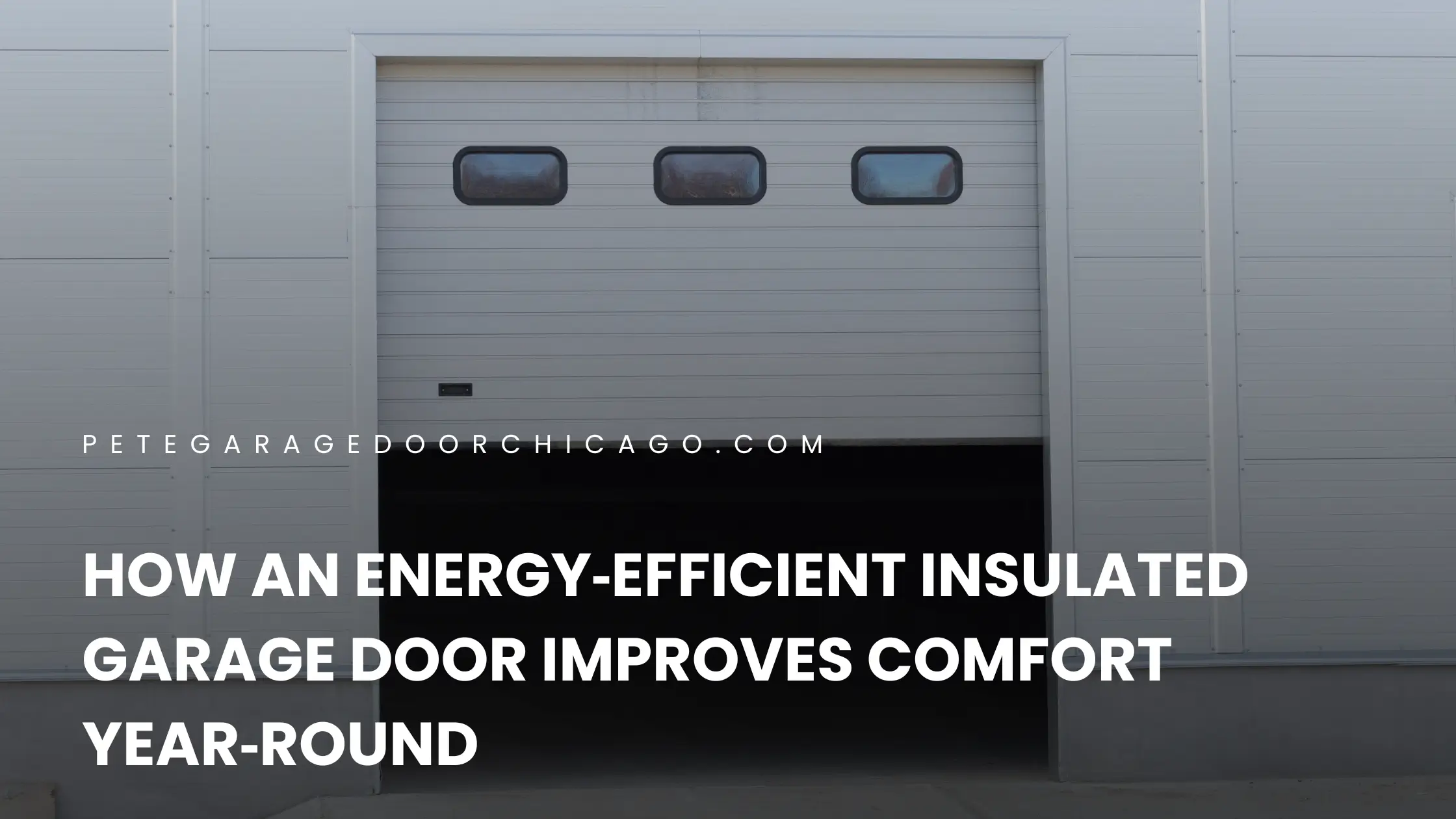
Your garage door plays a bigger role in your home’s comfort and energy performance than many homeowners realize. An energy‑efficient insulated garage door provides insulation that stabilizes temperature, improves comfort in adjoining spaces, and reduces strain on your heating and cooling systems.
With rising energy costs and more homes using garages as functional living or work areas, choosing a door with strong insulation makes daily life more comfortable and cost‑effective.
Insulated garage doors help keep outdoor air from leaking into the garage. This matters most in extreme heat or cold, but it also affects comfort throughout the year.
When a garage shares a wall with living areas, laundry rooms, or storage space, an insulated door helps maintain a balanced interior temperature. The result is a garage that feels more controlled and a home that operates more efficiently.
The Role of Insulation in Garage Doors
Traditional garage doors are often made with basic panels that have little to no insulation. In many older homes, garages act like giant vents, allowing outdoor air to influence interior temperatures. An energy‑efficient insulated garage door adds a layer of thermal protection that reduces this effect.
Insulation materials typically include polyurethane or polystyrene cores sandwiched between steel or composite panels. These cores slow the transfer of heat and cold through the door surface.
When temperatures fall or climb outside, an insulated door reduces the amount of outside air reaching the interior. While this does not replace dedicated HVAC systems, it supports them by reducing extreme temperature swings.
A garage that stays at a more stable temperature feels more comfortable and protects items stored inside. Tools, recreational equipment, and even vehicles benefit from reduced exposure to temperature extremes.
How Insulated Doors Affect Home Comfort
Beyond the garage itself, an energy‑efficient insulated garage door can influence spaces adjacent to the garage. If the garage shares walls with living areas, laundry rooms, or entryways, temperature control in these spaces often improves when the garage holds a steadier temperature. Extreme outdoor conditions have less influence on interior spaces when a properly insulated door acts as a buffer.
In winter, cold air leaking through an uninsulated door can cause frost to form on interior walls or create uncomfortable drafts in connecting rooms. In summer, hot air gets pulled in and places extra workload on any cooling system nearby. These effects are especially noticeable in homes with attached garages.
Even in garages that are used as workshops or hobby areas, insulation keeps the environment more pleasant year‑round. Better comfort encourages more consistent use, and people are more likely to choose insulated options when they plan to occupy the space regularly.
Energy Savings That Make a Difference
An energy‑efficient insulated garage door helps reduce energy loss and makes temperature control easier for your heating and cooling systems. When outside air seeps through a poorly insulated garage door, your HVAC system may run longer or work harder to maintain set temperatures in the home. Insulation helps lessen this demand.
Key energy benefits include:
- Reduced thermal transfer through the garage opening
- Lower energy demand on HVAC systems connected to adjacent spaces
These energy savings may not show up as dramatic monthly reductions on every home’s utility bill, but over time they add up. In climates with hot summers and cold winters, insulating the garage door reduces the extremes that force HVAC systems to compensate.
Insulated doors also contribute to overall home efficiency ratings. For homeowners looking to increase energy compliance or improve comfort scores, choosing an insulated door supports those goals.
Noise Reduction and Daily Use Comfort
Insulation also helps reduce noise from outside. Garage doors open and close frequently, and the daily sounds of traffic, hail, wind, or neighborhood activity can carry inside. An insulated door dampens sound slightly better than hollow steel panels. While it does not block every noise, it makes a noticeable difference in daily living spaces connected to the garage.
If family members use the garage as a workshop, gym, or storage area near bedrooms or living rooms, this added noise control enhances comfort. Sound reduction supports a quieter home environment by limiting how much outdoor noise travels beyond the garage.
Design Choices With Insulated Doors
Energy‑efficient insulated garage doors are available in many styles and finishes to match home architecture. Options may include:
- Smooth or textured panel styles
- Window inserts for light and design interest
- Color choices that coordinate with siding, trim, and roof tones
These design options allow homeowners to enjoy both functionality and visual appeal. A door that performs well and fits the home’s exterior aesthetic increases curb appeal and supports long‑term enjoyment of the property.
Choosing the Right Level of Insulation
A well‑installed energy‑efficient insulated garage door operates smoothly and performs as expected. Proper installation includes correct alignment of tracks, balanced springs, and secure weather seals. Weather seals reduce air infiltration at the bottom and sides of the door, helping the insulation do its job.
Routine maintenance of the tracks, rollers, and opener supports long‑term performance. Insulated doors may require periodic cleaning of surfaces and inspection of seals to make sure they remain effective. Simple care keeps the door operating efficiently and protects residential comfort.
Installation and Long‑Term Use
Garage door insulation is often rated by R‑value, which measures how well a door resists heat flow. Higher R‑values indicate stronger insulation and greater resistance to thermal transfer. Choosing the right level depends on how you use your space and how connected the garage is to living areas.
For garages that are detached or rarely used, moderate insulation may be sufficient. For attached garages or spaces used frequently, higher R‑values improve comfort and system performance. In climates with wide seasonal temperature swings, more insulation helps create stability year‑round.
Homeowners should consider insulation needs based on use patterns, climate, and adjacent living spaces. Consulting a professional can help identify the best choice for long‑term performance and comfort.
Living With Insulated Comfort Every Season
An energy‑efficient insulated garage door changes how a home feels across seasons. In winter, it reduces cold spots and drafts. In summer, it helps block heat transfer. In spring and fall, it moderates temperature shifts that would otherwise influence adjacent rooms.
This consistent comfort encourages more functional use of garage space and reduces the impact of weather changes on the home’s interior environment.
Choosing Comfort and Efficiency
Investing in an energy‑efficient insulated garage door strengthens your home’s ability to maintain stable temperatures, improves comfort, and supports daily use without frequent temperature shifts. These doors improve energy performance, resist noise, and add design versatility that complements your home’s exterior style.
For support selecting and installing the right insulated garage door for your home, Peter and Sons Construction can help. From choosing materials to ensuring professional installation, the team works with Chicago‑area homeowners to deliver comfort, energy savings, and curb appeal that lasts.
You might like these