The Growing Demand for Wind-Resistant Garage Doors

The Growing Demand for Wind-Resistant Garage Doors

Extreme weather events have become more common in many parts of the country, and homeowners are paying closer attention to how their homes can withstand strong winds and storms. 

One feature that often gets overlooked is the garage door. Because it is usually the largest opening in a home, it can become a weak point during high winds if it is not properly reinforced. This is one reason the demand for wind-resistant garage doors has grown in recent years.

Garage doors must handle more than everyday opening and closing. During severe storms, they may face strong pressure from wind gusts that can bend panels or damage tracks. When a garage door fails under wind pressure, it may allow air to enter the garage rapidly. 

That sudden pressure can put stress on the structure of the home itself. Installing wind-resistant garage doors helps reduce this risk by providing stronger construction and better support against wind loads. Understanding how these doors work and why they are becoming more common can help homeowners make better decisions when upgrading their garage systems.

Why Wind Resistance Matters for Garage Doors

Garage doors cover a large opening, and that makes them particularly vulnerable during high winds. When wind pushes against a door, the pressure spreads across the entire surface. Standard doors may flex or bend under this pressure if they are not reinforced.

If a garage door fails during a storm, the impact can extend beyond the garage itself. Wind entering through the opening can create pressure inside the home, which may lead to roof damage or structural problems. Because of this risk, stronger door construction has become a priority in areas that experience severe weather.

Wind-resistant doors are designed to handle these conditions. Their structure distributes wind pressure more effectively so that the door maintains its shape and remains securely in place.

What Makes a Garage Door Wind-Resistant

Wind-resistant garage doors are built differently from standard doors. They include additional reinforcements and structural components that help them withstand higher wind loads.

Key features commonly found in wind-resistant garage doors include:

  • Reinforced steel or aluminum door panels
  • Heavy-duty track systems and brackets
  • Additional horizontal support struts
  • Stronger mounting hardware
  • Improved door panel thickness for added rigidity

These structural improvements allow the door to resist bending or collapsing under wind pressure. Many wind-rated doors are also tested according to building standards that simulate real storm conditions.

Wind Load Ratings and Testing

Wind-resistant doors are typically rated according to the amount of wind pressure they can withstand. Manufacturers conduct tests that simulate wind forces to ensure the door remains secure during extreme conditions.

The testing process measures how the door performs when exposed to strong wind pressure pushing inward and outward. These forces represent the pressure changes that occur during storms and hurricanes.

Doors that meet certain performance standards receive wind-load ratings. These ratings help homeowners and builders determine which door is appropriate for specific regions and weather conditions.

While these standards are often associated with coastal areas, many homeowners in other regions also choose reinforced doors for added protection and peace of mind.

Benefits Beyond Storm Protection

Although storm resistance is the primary purpose of these doors, wind-resistant garage doors also offer several additional advantages.

Benefits may include:

  • Increased structural durability during daily operation
  • Reduced vibration and noise during opening and closing
  • Stronger panels that resist dents and bending
  • Greater stability for larger or heavier garage doors

Because the door structure is reinforced, it often feels more solid and operates smoothly over time.

When Homeowners Should Consider Wind-Resistant Doors

Not every home requires a wind-rated garage door, but certain situations make them a smart investment. Homes located in regions that experience frequent storms or strong seasonal winds benefit the most from this upgrade.

Even in areas without extreme storms, homeowners may choose reinforced doors when replacing an aging garage door system. Stronger doors often last longer and provide additional protection for vehicles and stored belongings inside the garage.

New home construction is another opportunity to consider wind-resistant designs. Installing a reinforced door during the building process ensures the garage opening is properly protected from the beginning.

Choosing the Right Garage Door for Long-Term Value

When planning a garage door replacement, selecting a door that provides long-term durability is just as important as managing the upfront cost. A well-built door with strong materials and reliable hardware can reduce maintenance needs and improve performance over many years.

Steel and insulated composite doors are popular choices because they combine strength with low maintenance requirements. Insulated doors can also help stabilize garage temperatures, which may benefit homes with attached garages.

Homeowners should also consider opener compatibility and safety features such as sensors and modern control systems. These elements contribute to smoother daily operation and improve overall reliability.

The Role of Professional Installation

The performance of wind-resistant doors depends not only on the door itself but also on how it is installed. Proper installation ensures the reinforcement features work as intended and that the door remains securely connected to the structure of the garage.

Installers verify that the tracks, brackets, and mounting points are properly aligned and anchored. They also confirm that the door operates smoothly without placing unnecessary stress on the opener or hardware.

Professional installation helps ensure the door maintains its wind rating and performs reliably over time.

Maintenance for Reinforced Garage Doors

Like any garage door system, wind-resistant doors benefit from routine maintenance. Reinforced components are designed to handle greater forces, but they still require periodic inspection to maintain proper function.

Checking tracks, rollers, and mounting hardware helps identify wear before it becomes a problem. Lubricating moving parts and tightening loose bolts also supports smooth operation.

Regular inspections help maintain the structural strength of the door and ensure it continues performing as intended during both normal use and severe weather.

Strengthening the Most Vulnerable Opening in a Home

Garage doors represent one of the largest openings in a house, which means they can play a major role in how well a home withstands strong winds. Reinforced construction helps prevent damage and reduces the risk of structural problems caused by wind pressure.

As more homeowners look for ways to improve storm preparedness, wind-resistant garage doors have become an increasingly popular solution. Their reinforced design provides additional security, durability, and peace of mind during unpredictable weather.

For homeowners considering an upgrade, working with experienced professionals can help ensure the right door is selected and installed properly. Peter and Sons Construction helps homeowners evaluate garage door options and install systems designed to provide strength, reliability, and long-term performance.

A Homeowner’s Guide to Budgeting for a New Garage Door

A Homeowner’s Guide to Budgeting for a New Garage Door

Replacing or upgrading a garage door can significantly improve the appearance and function of a home. Because garage doors often occupy a large portion of the exterior, a new installation can enhance curb appeal while also improving insulation, safety, and reliability. 

Despite these advantages, many homeowners delay upgrades because they are unsure how to plan for the cost. Understanding available options for garage door financing in Chicago can help make these improvements more manageable. 

Garage doors include many components such as panels, tracks, springs, and openers that work together as a system. Over time, these parts wear down and may require replacement. When repairs become frequent or the door no longer operates reliably, replacing the system often becomes the better long-term investment. For homeowners exploring upgrades, learning about garage door financing in Chicago can make it easier to move forward with a project without placing strain on household budgets.

Why Garage Door Replacement Is a Valuable Upgrade

A garage door plays a major role in both appearance and functionality. Because it is used daily, the condition of the door affects convenience and security. A worn or outdated door may struggle to open smoothly, create noise, or lack modern safety features.

Newer garage doors often include improved insulation, stronger materials, and updated opener technology. These features can make the garage more comfortable and reduce the likelihood of future repairs. In many cases, replacing an aging door also improves the overall value of the property.

When homeowners view a garage door replacement as a long-term improvement rather than a short-term expense, budgeting for the project becomes easier to justify.

Factors That Influence Garage Door Costs

The total cost of a garage door project can vary depending on several factors. Understanding what affects pricing helps homeowners estimate the scope of their investment.

Door size and material are among the most important considerations. Larger doors or doors built from premium materials such as wood or composite typically cost more than standard steel models. Insulated doors may also have higher upfront costs because of their layered construction.

Other elements that affect pricing include the opener system, installation requirements, and additional features such as windows or decorative hardware. Homes with older track systems or structural adjustments may require additional labor during installation.

Because each home has unique requirements, many homeowners explore garage door financing in Chicago to spread the cost of these upgrades across manageable payments.

Common Financing Approaches for Garage Door Projects

Financing options allow homeowners to complete necessary improvements while paying over time rather than covering the full cost upfront.

Typical financing approaches include:

  • Payment plans offered through contractors or service providers
  • Home improvement financing programs
  • Personal loans used for renovation projects
  • Credit-based financing for home upgrades

Each option provides flexibility depending on the homeowner’s financial situation. Some plans offer fixed monthly payments, while others allow shorter repayment periods for those who prefer to pay off the project quickly.

Understanding these options allows homeowners to move forward with improvements when the need arises instead of delaying important repairs.

Planning a Budget for Garage Door Replacement

Before selecting a door or scheduling installation, homeowners benefit from establishing a clear budget for the project. Planning ahead helps ensure the chosen door meets both performance and financial expectations.

Start by identifying the main priorities for the new door. Some homeowners focus on improving curb appeal with updated designs, while others prioritize insulation or durability. Once these priorities are clear, it becomes easier to narrow down materials and features.

Homeowners can also request estimates from professionals to understand the range of costs involved. Comparing several options helps determine which combination of materials, design, and installation services fits within the planned budget.

For many households, exploring garage door financing in Chicago provides additional flexibility when selecting higher-quality materials or advanced opener systems.

Benefits of Financing Home Improvements

Financing can make it easier to address garage door issues promptly instead of waiting until the system fails completely. Spreading the cost over time allows homeowners to maintain reliable garage access while protecting their budget.

Advantages of financing may include:

  • Immediate replacement of aging or damaged doors
  • Predictable monthly payment schedules
  • Ability to choose higher-quality materials
  • Improved home appearance and value without delaying the project

These benefits often help homeowners feel more confident about investing in upgrades that improve both function and aesthetics.

Choosing the Right Garage Door for Long-Term Value

When planning a garage door replacement, selecting a door that provides long-term durability is just as important as managing the upfront cost. A well-built door with strong materials and reliable hardware can reduce maintenance needs and improve performance over many years.

Steel and insulated composite doors are popular choices because they combine strength with low maintenance requirements. Insulated doors can also help stabilize garage temperatures, which may benefit homes with attached garages.

Homeowners should also consider opener compatibility and safety features such as sensors and modern control systems. These elements contribute to smoother daily operation and improve overall reliability.

Working with Experienced Professionals

Professional installation plays a critical role in the success of a garage door project. Even a high-quality door will not perform properly if it is installed incorrectly. Experienced technicians ensure the door is balanced, aligned with the tracks, and connected safely to the opener system.

During the consultation process, professionals can also explain material options, insulation ratings, and maintenance considerations. This guidance helps homeowners make informed decisions when selecting a door that fits their needs and budget.

When financing options are available, professionals can also help homeowners understand payment plans that support their renovation goals.

Moving Forward with Confidence

Upgrading a garage door improves the function, appearance, and reliability of a home. While the cost of replacement can initially feel significant, planning ahead and exploring payment options makes the process much easier. With the help of garage door financing in Chicago, homeowners can schedule necessary upgrades without postponing important improvements.

For those considering a new garage door installation, working with experienced professionals ensures the project is completed safely and efficiently. Peter and Sons Construction helps homeowners evaluate garage door options, understand installation requirements, and explore financing solutions that make upgrades easier to manage.

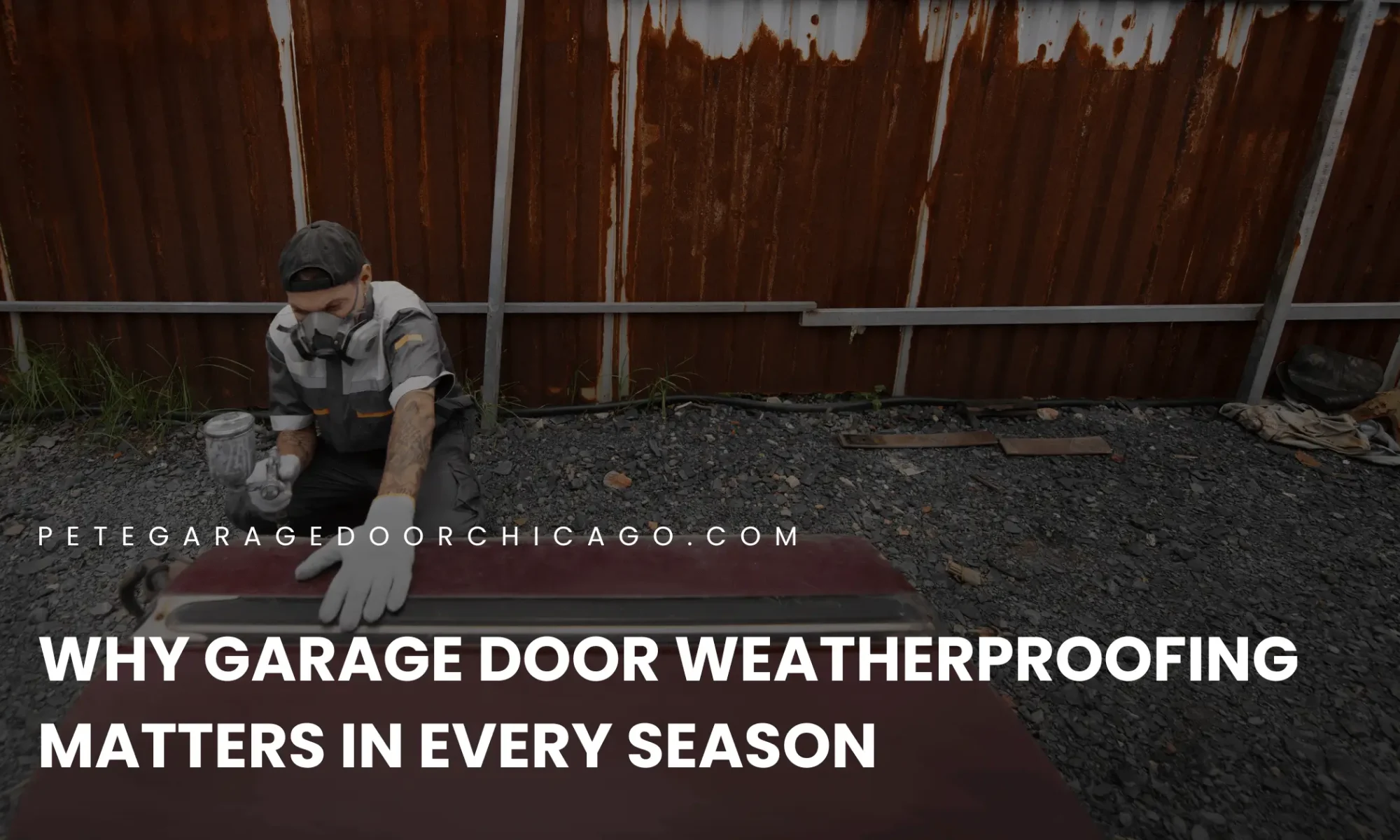
Why Garage Door Weatherproofing Matters in Every Season

Why Garage Door Weatherproofing Matters in Every Season

Garages face constant exposure to changing weather conditions throughout the year. Cold air, rain, wind, and debris can easily enter through small gaps around the garage door if the system is not properly sealed. 

Over time, these elements may affect the comfort of nearby rooms, damage stored items, and place extra strain on garage door components. This is why garage door weatherproofing plays an important role in maintaining a functional and protected garage space.

A properly weatherproofed garage door acts as a barrier between outdoor conditions and the interior of the garage. Seals and insulation work together to prevent drafts and moisture from entering while also helping maintain a more stable indoor temperature. As homeowners focus more on energy efficiency and home protection, garage door weatherproofing has become a valuable part of regular garage door maintenance.

How Weather Can Affect Your Garage

Garages are often one of the most exposed areas of a home. Because the garage door opens directly to the outdoors, it must withstand temperature changes, precipitation, and wind throughout the year.

During winter, cold air can move into the garage through small gaps around the door frame or beneath the door itself. This cold air may affect the temperature of nearby rooms, especially when the garage shares walls with the interior of the home. In warmer seasons, heat and humidity can build up inside the garage, making the space uncomfortable and potentially affecting stored belongings.

Rain and snow can also enter through poorly sealed doors, leading to moisture buildup on the garage floor. Over time, repeated exposure to moisture may contribute to rust on metal components or damage to items stored in the garage.

What Garage Door Weatherproofing Includes

Weatherproofing a garage door involves several components designed to seal openings and protect the door system from environmental exposure.

Common elements of garage door weatherproofing include:

  • Bottom seals that close the gap between the door and the garage floor
  • Side and top weather stripping that seals the door frame
  • Threshold seals that prevent water from entering under the door
  • Insulated door panels that reduce heat transfer
  • Protective coatings that help prevent rust or corrosion

Together, these components create a protective barrier that keeps outdoor conditions from affecting the garage interior.

Why Proper Sealing Improves Energy Efficiency

Weatherproofing a garage door involves several components designed to seal openings and protect the door system from environmental exposure.

Common elements of garage door weatherproofing include:

  • Bottom seals that close the gap between the door and the garage floor
  • Side and top weather stripping that seals the door frame
  • Threshold seals that prevent water from entering under the door
  • Insulated door panels that reduce heat transfer
  • Protective coatings that help prevent rust or corrosion

Together, these components create a protective barrier that keeps outdoor conditions from affecting the garage interior.

Why Proper Sealing Improves Energy Efficiency

Many homeowners do not realize that an unsealed garage door can influence the overall energy performance of a home. When cold or hot air enters the garage, it can affect the temperature of adjacent living areas.

For homes with attached garages, temperature changes in the garage may transfer through walls, ceilings, or connecting doors. This may cause heating and cooling systems to work harder to maintain indoor comfort.

Installing proper garage door weatherproofing helps reduce air leakage and maintain a more stable temperature in the garage. While the garage itself may not be fully climate controlled, limiting air movement can help support better energy efficiency throughout the home.

Signs Your Garage Door Needs Weatherproofing

Weatherproofing components naturally wear down over time due to regular use and exposure to outdoor conditions. Identifying signs of worn seals early can help prevent larger problems later.

Common signs that weatherproofing may need attention include:

  • Visible light appearing around the edges of the door
  • Water entering the garage during rain
  • Drafts or cold air near the garage door
  • Cracked or flattened rubber seals
  • Increased dust or debris inside the garage

These signs often indicate that seals have deteriorated or shifted out of position. Replacing worn weather stripping or adjusting the door alignment can restore proper sealing.

Benefits Beyond Weather Protection

Although the primary goal of garage door weatherproofing is to block outdoor elements, the improvements extend beyond protection from weather alone.

Sealed garage doors can help reduce outside noise entering the garage. Insulated and well-sealed doors often operate more quietly as well because they experience less vibration during movement.

Weatherproofing also helps protect stored belongings from exposure to moisture, dust, and debris. Items such as tools, sports equipment, and seasonal decorations remain cleaner and better preserved when the garage environment is properly sealed.

In addition, a weatherproofed garage door can extend the lifespan of the door system itself. By preventing moisture and debris from entering the tracks and hardware, the system may experience less wear over time.

Maintaining Weather Seals for Long-Term Performance

Maintaining weather seals is a simple but important part of garage door care. Because seals are made from flexible materials such as rubber or vinyl, they can gradually harden, crack, or flatten after years of use.

Cleaning the seals periodically helps remove dirt and debris that may affect their performance. Inspecting the seals a few times each year allows homeowners to identify wear before it leads to noticeable gaps.

When seals begin to deteriorate, replacing them promptly helps restore effective garage door weatherproofing. This replacement is often a straightforward service that significantly improves the protection of the garage.

Preparing Your Garage Door for Changing Seasons

Seasonal weather changes place different demands on garage doors. Winter conditions often bring freezing temperatures, snow, and ice, while summer introduces heat and humidity.

Checking seals and weatherproofing components before each season helps ensure the door remains properly protected. Simple inspections can confirm that bottom seals remain flexible, side seals stay aligned with the door frame, and thresholds continue to prevent water entry.

When weatherproofing components function properly, the garage remains cleaner, drier, and more comfortable throughout the year.

Protecting Your Garage and Home Year-Round

A well-sealed garage door helps shield your garage from harsh weather while supporting the overall efficiency and durability of your home. Garage door weatherproofing reduces drafts, limits moisture intrusion, and helps maintain a more stable indoor environment.

By addressing worn seals and ensuring proper installation, homeowners can protect their garage from unnecessary exposure to the elements. These small improvements can make a noticeable difference in comfort, maintenance needs, and long-term performance.

For homeowners looking to improve protection and reliability, Peter and Sons Construction provides professional garage door services that help keep doors properly sealed, aligned, and operating smoothly throughout the year.

How High R-Value Garage Doors Improve Garage Comfort

How High R-Value Garage Doors Improve Garage Comfort

Garages are often exposed to extreme temperature changes throughout the year. In colder climates, freezing air can quickly move into the garage and affect nearby rooms. During summer, heat can build up and turn the space into an uncomfortable environment. 

One way homeowners address this problem is by installing high R-value garage doors that provide stronger insulation and improved energy performance. The R-value of a garage door measures its ability to resist heat transfer. A higher number indicates stronger insulation and better temperature control. 

Homes with attached garages often benefit the most because a well-insulated door helps prevent outdoor temperatures from affecting interior living spaces. As energy efficiency becomes a growing priority for homeowners, high R-value garage doors have become a popular upgrade for improving comfort and long-term performance.

Understanding What R-Value Means

R-value is a measurement used in construction to describe thermal resistance. It indicates how well a material slows the movement of heat from one side to another. In garage doors, the insulation layer inside the panels plays the largest role in determining the overall R-value.

Doors with higher R-values usually contain thicker insulation layers made from materials such as polyurethane or polystyrene foam. These materials trap air within their structure, which slows heat transfer and helps maintain a stable temperature inside the garage.

The structure of the door panels also contributes to insulation performance. Multi-layer doors that combine steel skins with insulated cores often deliver higher R-values than single-layer doors. This construction helps reduce temperature changes inside the garage even when outdoor conditions fluctuate significantly.

Why Garage Insulation Affects Home Comfort

Many homeowners overlook the effect a garage can have on indoor comfort. When the garage shares walls or ceilings with living areas, temperature changes in the garage can influence the rooms nearby.

Cold air in the garage may seep through walls, ceilings, or door frames and make interior rooms feel cooler. The opposite can happen during warm weather when heat builds up in the garage and transfers into adjacent areas of the home.

Installing high R-value garage doors helps limit this heat movement by strengthening the thermal barrier between the outside environment and the garage interior. This improvement can make a noticeable difference in the comfort of rooms located above or beside the garage.

Benefits of High R-Value Garage Doors

Insulated garage doors offer advantages that extend beyond temperature control. The construction used to achieve higher R-values often improves other aspects of performance as well.

Key benefits include:

  • Reduced heat loss during winter months
  • Better temperature stability inside the garage
  • Lower strain on heating and cooling systems
  • Quieter door operation due to insulated panels
  • Increased durability through multi-layer construction

Because the insulation strengthens the door panels, these doors often feel more solid and operate with less vibration compared to thinner doors.

Types of Insulation Used in Garage Doors

The insulation material inside the door plays a major role in determining its final R-value. Different insulation types provide varying levels of thermal performance.

Polystyrene insulation is commonly used in mid-range insulated garage doors. It is lightweight and provides a moderate level of thermal resistance. Polyurethane insulation, on the other hand, expands inside the door panels during manufacturing and fills small gaps. This process creates a denser insulation layer that typically results in higher R-values.

The insulation is usually sandwiched between steel or aluminum panels that form the outer structure of the door. This layered construction increases strength while helping maintain consistent temperatures inside the garage.

When a High R-Value Door Makes the Biggest Difference

While insulated garage doors can benefit many homes, certain situations make them particularly valuable. Homes with attached garages often see the greatest improvement because the garage shares structural elements with the main living space.

Garages that are used as workshops, hobby spaces, or home gyms can also benefit from improved insulation. Maintaining a stable temperature helps make the space more comfortable throughout the year.

In colder climates, winter weather places greater demand on heating systems. A garage door with strong insulation can help reduce the amount of cold air entering the garage, which may contribute to improved energy efficiency for the home.

Features to Look for in Insulated Garage Doors

When comparing insulated garage doors, several design features influence both insulation performance and overall durability.

Important features include:

  • Multi-layer door construction
  • High-density insulation materials
  • Tight weather seals along the edges
  • Reinforced panels that reduce heat transfer
  • Durable exterior finishes that protect the insulation core

These elements work together to improve both the insulation value and structural strength of the door.

Additional Ways to Improve Garage Efficiency

While installing high R-value garage doors can significantly improve insulation, other upgrades may also help maintain comfortable temperatures inside the garage.

Sealing gaps around the door frame prevents drafts from entering the space. Adding insulation to garage walls and ceilings can further strengthen the thermal barrier between the garage and the outdoors. Weather stripping and bottom door seals also help block air movement.

When these improvements work together, the garage becomes more stable in temperature and better protected from outdoor conditions.

Improving Comfort Through Better Garage Design

A well-insulated garage door can change how a garage functions throughout the year. Instead of becoming extremely hot or cold, the space remains more stable and easier to use. For homeowners who spend time working, exercising, or storing temperature-sensitive items in the garage, insulation plays an important role in overall comfort.

Installing high R-value garage doors is one of the most effective ways to strengthen this protection. The improved insulation helps regulate temperatures, reduce outside noise, and support the overall efficiency of the home.

Homeowners considering an upgrade can benefit from professional guidance when selecting materials, insulation levels, and door designs. Peter and Sons Construction works with homeowners to evaluate garage door options and install systems that combine durability, performance, and long-term reliability.


Why Garage Door Safety Sensors Are Essential for Every Home

Why Garage Door Safety Sensors Are Essential for Every Home

Garage doors are one of the largest moving systems in most homes. Because they operate multiple times every day, they must include safety features that prevent accidents and protect people, pets, and property. One of the most important components responsible for this protection is the set of garage door safety sensors installed near the bottom of the door frame.

These sensors work quietly in the background each time the garage door closes. If an object blocks the path of the door, the sensors signal the opener to stop and reverse direction. This simple mechanism has become a required safety feature for modern garage door systems because it significantly reduces the risk of injury or damage.

Although most homeowners rely on them daily, many people are not fully aware of how garage door safety sensors function or why they are so important. Understanding how they work and how to maintain them helps ensure that your garage door operates safely and reliably.

How Garage Door Safety Sensors Work

Garage door safety sensors operate using an invisible beam of light that travels between two small units mounted on either side of the garage door opening. One unit sends the beam while the other receives it. As long as the beam remains uninterrupted, the garage door opener allows the door to close normally.

If something passes through the beam while the door is closing, the signal between the sensors breaks. The garage door opener immediately reverses the door to prevent contact with the obstruction. This response occurs almost instantly, protecting anything that might be in the door’s path.

Because the sensors sit only a few inches above the floor, they can detect objects such as tools, bicycles, storage bins, or even small pets that might be beneath the door. Without properly functioning sensors, the door would rely only on mechanical resistance to stop, which may not react quickly enough to avoid damage or injury.

Why These Sensors Are a Critical Safety Feature

Modern building codes require garage doors to include safety sensors because of the potential risks involved with heavy moving doors. A typical residential garage door can weigh hundreds of pounds, and the motorized opener applies additional force when lowering it.

Garage door safety sensors help prevent situations such as:

  • A vehicle being damaged by a closing garage door
  • Children or pets being trapped beneath the door
  • Objects being crushed when left in the doorway
  • The door closing unexpectedly when visibility is low
  • Injuries caused by contact with the moving door

These sensors act as the first line of defense against accidents. Instead of relying on the door to detect pressure after contact occurs, the system stops the movement before the door touches anything in its path.

Signs That Sensors May Not Be Working Properly

Even though safety sensors are designed to operate reliably, they can occasionally lose alignment or become blocked by debris. When this happens, the garage door may behave differently than usual.

A common sign of sensor issues is a door that begins to close but immediately reverses direction. In many cases, the sensors are simply misaligned or obstructed. Small items like dust, spider webs, or leaves can interrupt the beam and prevent proper operation.

Another possible sign is a blinking indicator light on one of the sensors. Many models include LED lights that signal whether the sensors are aligned correctly. If the lights are not steady or appear dim, it may indicate a problem that needs attention.

Common Causes of Sensor Problems

Several everyday factors can interfere with the performance of garage door safety sensors. Because they are positioned close to the floor, they are exposed to dirt, moisture, and accidental bumps from tools or storage items.

Frequent causes of sensor issues include:

  • Dust or dirt covering the sensor lens
  • Misalignment caused by accidental contact
  • Loose mounting brackets
  • Sunlight shining directly into the sensor
  • Damaged wiring connecting the sensors to the opener

Most of these problems can be resolved quickly by cleaning the sensors, adjusting their alignment, or tightening the brackets that hold them in place.

Testing Garage Door Safety Sensors

Testing safety sensors periodically helps ensure that they continue working properly. This process only takes a few minutes and can be done using simple household items.

Start by placing a small object, such as a box or piece of wood, in the path of the closing door. When the door begins to close, the sensors should detect the obstruction and cause the door to reverse before making contact.

Another method involves waving a long object like a broom handle through the sensor beam while the door is closing. If the sensors are functioning correctly, the door should immediately stop and move upward.

If the door continues closing without reversing, the sensors may require adjustment or repair.

Maintenance Tips for Long-Term Reliability

Regular maintenance helps ensure that garage door safety sensors continue to function properly. Because they play such an important role in preventing accidents, it is important to keep them clean and aligned.

Helpful maintenance practices include:

  • Wiping the sensor lenses with a soft cloth to remove dust
  • Checking that both sensors face each other directly
  • Inspecting wires for signs of wear or damage
  • Making sure the sensors remain securely mounted
  • Keeping the area around the sensors free of clutter

These small steps help maintain reliable operation and reduce the likelihood of unexpected issues.

When Professional Inspection Is Helpful

Although many sensor issues can be corrected with basic adjustments, some problems may require professional service. Damaged wiring, faulty control boards, or internal sensor failure can prevent the system from operating correctly.

A technician can inspect the entire garage door system to confirm that the sensors communicate properly with the opener. They can also verify that the door’s balance, springs, and tracks are working together safely.

Professional inspection becomes especially important if the garage door repeatedly reverses, refuses to close, or shows warning lights that remain on after adjustments.

Protecting Your Home Through Proper Safety Features

Garage doors have evolved significantly over the years, with safety becoming one of the most important priorities in modern systems. Garage door safety sensors play a central role in this progress by preventing accidents and protecting both people and property.

Ensuring that these sensors remain clean, aligned, and properly connected helps keep the entire garage door system operating safely. Regular checks and maintenance reduce the chance of unexpected malfunctions and provide peace of mind each time the door opens or closes.

For homeowners who want to ensure their garage door system is operating safely, Peter and Sons Construction provides professional inspection, maintenance, and repair services. Their team helps homeowners maintain reliable garage door systems that meet modern safety standards and perform smoothly every day.

The Hidden Risks Behind Delaying Garage Door Spring Replacement

The Hidden Risks Behind Delaying Garage Door Spring Replacement

Garage doors rely on a few critical components to lift and lower safely, and one of the most important parts is the spring system. Springs carry the weight of the door and balance its movement each time it opens or closes. Because they handle significant tension during daily operation, they eventually wear out. When that happens, delaying garage door spring replacement can create serious safety and performance issues.

Many homeowners do not notice spring problems until the door begins acting differently. A door that feels heavier, moves unevenly, or makes unusual noises may be signaling that the springs are nearing the end of their lifespan. Addressing the issue early helps prevent sudden breakdowns that can leave a garage door stuck or unsafe to operate.

Understanding the risks associated with worn springs can help homeowners take action before a small issue turns into a larger repair.

Why Garage Door Springs Are So Important

Garage door springs act as the counterbalance for the entire door system. Without them, the door would be extremely heavy and difficult to lift manually. Springs store mechanical energy when the door closes and release it when the door opens, allowing the opener and track system to operate smoothly.

Most residential garage doors use either torsion springs mounted above the door or extension springs located along the side tracks. Both types perform the same basic function but operate slightly differently depending on the door design.

Because springs operate under high tension, they gradually lose strength after thousands of opening and closing cycles. Over time, metal fatigue develops, and the spring becomes more likely to break. This natural wear is the main reason garage door spring replacement becomes necessary during the life of the door.

Early Warning Signs of Spring Failure

Recognizing early warning signs can help prevent unexpected problems. Springs rarely fail without some indication that they are wearing down.

Common signs that springs may need attention include:

  • The garage door opens unevenly or appears tilted
  • The opener struggles or moves the door slowly
  • Loud snapping or popping sounds during operation
  • The door feels unusually heavy when lifted manually
  • Gaps appear in the spring coils
  • The door stops halfway during opening or closing

These symptoms indicate that the spring system is losing its ability to balance the door correctly. Ignoring these signals can increase stress on other components such as cables, rollers, and the opener motor.

What Happens When a Spring Breaks

When a spring finally breaks, the garage door can become extremely difficult or impossible to operate. The opener may no longer have enough power to lift the door, or the door may suddenly slam shut if the spring fails while the door is open.

Broken springs can also damage nearby hardware. The sudden release of tension can cause cables to whip, brackets to shift, or tracks to misalign. In severe cases, a falling door can damage vehicles or stored items inside the garage.

This is why garage door spring replacement should be handled promptly once a worn spring is identified. Waiting for the spring to break often leads to additional repairs beyond the spring itself.

Why Professional Replacement Is Important

Garage door springs are under high tension and require specialized tools and knowledge to replace safely. Attempting to replace a spring without proper training can lead to serious injury.

Professional technicians follow specific procedures to release tension safely before removing the damaged spring. They also ensure that the replacement spring matches the door’s weight and size requirements. Using the correct spring is important because an improperly balanced door can strain the opener and lead to premature wear on other components.

Once the new spring is installed, the technician adjusts the tension and tests the door balance to confirm smooth operation. This careful process helps restore safe and reliable performance.

Factors That Affect Spring Lifespan

Several factors influence how long garage door springs last. While most springs are designed for a certain number of cycles, daily usage and environmental conditions can shorten or extend that lifespan.

Factors that impact spring durability include:

  • Frequency of daily garage door use
  • Weight of the garage door
  • Climate conditions such as humidity and temperature swings
  • Quality of the spring material
  • Regular maintenance and lubrication

In busy households where the garage door opens multiple times per day, springs may reach their cycle limit sooner. Regular inspections and maintenance can help identify wear before failure occurs.

Preventive Maintenance for Springs

While springs eventually wear out, simple maintenance can help extend their lifespan. Keeping the springs clean and lubricated reduces friction and helps prevent corrosion.

Homeowners should visually inspect springs periodically for signs of rust, stretching, or gaps between coils. Lubricating the spring with a garage door lubricant a few times a year can help maintain smoother movement.

Professional tune-ups are also useful because technicians can measure spring tension and identify early wear. Preventive service may allow replacement to occur before a complete failure disrupts the operation of the door.

Beyond visual appeal, ribbed panel garage doors are designed to handle everyday use. The ribbed pattern itself can add structural rigidity to the panels, helping them resist bending or warping.

Many models include insulated cores that help regulate temperature within the garage. This insulation can improve energy efficiency, especially when the garage shares walls with the interior of the home.

Weather seals along the bottom and sides of the door also help protect the garage from rain, wind, and debris. Combined with strong track systems and quality hardware, these features allow ribbed doors to operate smoothly over long periods.

The Impact on the Entire Garage Door System

Garage door springs do not work alone. They are part of a system that includes cables, rollers, tracks, and the opener motor. When springs lose strength, the rest of the system compensates for the imbalance.

This extra strain can cause cables to fray, rollers to wear down, or the opener to work harder than intended. Over time, these added stresses may lead to additional repairs that could have been avoided with timely garage door spring replacement.

Maintaining proper spring tension keeps the entire door system balanced and functioning efficiently. This balance protects both the mechanical components and the opener motor from unnecessary strain.

Keeping Your Garage Door Safe and Reliable

Garage doors are used multiple times every day, which means their components experience significant wear over time. Springs are among the most critical parts of the system because they carry the door’s weight and support smooth movement.

When signs of wear begin to appear, scheduling garage door spring replacement helps prevent sudden failures and protects the rest of the garage door system. Addressing the issue early keeps the door operating safely and avoids the inconvenience of being unable to open or close the garage.

For homeowners who want professional guidance and reliable repairs, Peter and Sons Construction provides garage door services designed to keep systems operating safely and efficiently. Their team works with homeowners to assess spring condition, recommend appropriate replacements, and ensure the door operates smoothly after installation.

The Modern Appeal of Ribbed Panel Garage Doors

The Modern Appeal of Ribbed Panel Garage Doors

Garage doors influence the overall look of a home more than many people expect. Because they often occupy a large portion of the front façade, their design plays a major role in curb appeal. 

In recent years, homeowners and designers have shown increasing interest in textures and surface details that add subtle depth without overwhelming the architecture. One design that fits this approach well is the use of ribbed panel garage doors.

Ribbed panels create a repeating pattern of narrow raised lines that run vertically or horizontally across the door. This structure introduces texture while maintaining a clean and simple appearance. Instead of decorative trim or ornate features, the pattern itself becomes the visual highlight. 

As more homes shift toward contemporary and minimalist design styles, ribbed panel garage doors have become a popular way to introduce detail without clutter.

What Defines Ribbed Panel Design

Ribbed panel garage doors feature a surface made up of evenly spaced ridges that create a subtle three-dimensional effect. These ridges can run across the door in horizontal or vertical directions depending on the design. The spacing between ribs is usually consistent, which helps create a balanced and structured appearance.

The ribbed pattern adds visual interest while still preserving the simplicity that many modern homes emphasize. Instead of relying on heavy ornamentation, the surface texture alone provides the design element. This makes ribbed panels particularly effective for homes that favor clean architectural lines.

The pattern also helps the door catch light differently throughout the day. Shadows form between the raised ribs, giving the surface depth and allowing the appearance to shift slightly depending on lighting conditions.

Materials Commonly Used for Ribbed Garage Doors

Most ribbed garage doors are manufactured using durable materials that maintain the shape of the ridges over time. Steel is one of the most common options because it provides strength while allowing manufacturers to stamp the ribbed pattern into the panels.

Aluminum is another material often used in ribbed designs. Aluminum panels can be lightweight while still maintaining the structural integrity needed for daily operation. In some designs, aluminum frames are combined with ribbed inserts to create a balanced and modern look.

Composite materials are also gaining popularity. These materials can replicate textured patterns while offering resistance to moisture and temperature changes. In climates where weather conditions vary significantly, composite construction can help maintain the door’s appearance without frequent maintenance.

Because ribbed designs rely heavily on surface detail, choosing a material that holds its shape well is important for long-term durability.

Why Texture Matters in Modern Architecture

Modern architecture often relies on a balance between simplicity and texture. When surfaces are too flat, the exterior of a building can appear plain or unfinished. Introducing texture through siding, stonework, or garage doors helps add depth without cluttering the design.

Ribbed panel garage doors work particularly well in this context because the texture remains subtle. The repeating lines create visual rhythm across the door while still maintaining a clean overall appearance.

Homes with minimalist design often include smooth walls, large windows, and simple color palettes. In these cases, ribbed panels add enough texture to make the garage door stand out while still fitting within the broader architectural style.

Design Features to Consider

When selecting a ribbed garage door, several design decisions influence how the final installation will look.

Important design elements include:

  • Direction of the ribs, either vertical or horizontal
  • Spacing between the raised panels
  • Frame color and finish
  • Panel material and thickness
  • Integration with surrounding architectural elements

Horizontal ribs tend to emphasize width and can make a garage appear broader. Vertical ribs draw the eye upward and can complement homes with tall façades or vertical siding patterns. Matching the orientation of the ribs with other exterior lines helps create a cohesive appearance.

Color and Finish Options

Color plays a major role in how ribbed textures appear. Dark finishes often emphasize the shadows created by the ridges, making the pattern more noticeable. Lighter finishes tend to soften the texture, giving the door a smoother overall appearance.

Many homeowners prefer neutral tones for ribbed garage doors. Shades of black, gray, white, and bronze pair well with contemporary homes. These colors also complement common exterior materials such as stone, wood siding, or metal trim.

Powder-coated finishes are widely used because they resist fading and corrosion. This type of finish also helps maintain consistent color across the entire door, which is important for designs that rely on clean lines.

Performance and Durability

Beyond visual appeal, ribbed panel garage doors are designed to handle everyday use. The ribbed pattern itself can add structural rigidity to the panels, helping them resist bending or warping.

Many models include insulated cores that help regulate temperature within the garage. This insulation can improve energy efficiency, especially when the garage shares walls with the interior of the home.

Weather seals along the bottom and sides of the door also help protect the garage from rain, wind, and debris. Combined with strong track systems and quality hardware, these features allow ribbed doors to operate smoothly over long periods.

Maintenance Considerations

Maintaining ribbed garage doors is usually straightforward. The textured surface does not require specialized cleaning, though it is helpful to remove dust or debris that may collect between the ridges.

Routine care typically includes:

  • Washing the door surface with mild soap and water
  • Checking weather seals for wear or damage
  • Lubricating hinges, rollers, and tracks periodically
  • Inspecting hardware to ensure bolts remain secure

Performing these simple tasks a few times each year helps keep the door operating smoothly and preserves the finish over time.

Architectural Compatibility

Ribbed panel designs work especially well with contemporary and industrial-inspired homes. Their structured pattern complements materials like concrete, steel, and glass while maintaining a refined appearance.

These doors can also pair effectively with wood siding or brick exteriors. In these cases, the ribbed pattern introduces a modern element that contrasts with traditional materials. The result is a balanced look that blends old and new design influences.

Because ribbed doors emphasize texture rather than decoration, they can adapt to a wide range of architectural styles.

A Textured Approach to Modern Garage Doors

As homeowners continue to prioritize clean architecture and subtle design details, textured surfaces are becoming an important part of exterior design. Ribbed panel garage doors offer a way to introduce that texture without sacrificing simplicity or durability.

By combining strong materials with thoughtful design, these doors provide both visual appeal and dependable performance. Their repeating lines create depth, enhance curb appeal, and complement the modern aesthetic many homeowners seek today.

When exploring garage door options that balance design and functionality, working with experienced professionals can help ensure the right choice for your home. Peter and Sons Construction assists homeowners with selecting and installing garage doors that align with both architectural goals and long-term reliability.

Where Texture Meets Function: Mixed Material Garage Doors

Where Texture Meets Function: Mixed Material Garage Doors

Home design continues to move toward bold contrasts and layered materials. Instead of relying on a single surface or finish, modern architecture often combines wood, metal, glass, and composite elements to create visual depth. 

One place where this trend is becoming especially noticeable is the garage door. A well-designed garage door can shape the entire appearance of a home, and mixed material garage doors are becoming a favorite option for homeowners who want both style and durability.

Because garage doors occupy a large portion of the exterior façade, their design has a major impact on curb appeal. A door that blends different textures and finishes can complement surrounding architectural features while adding character to the property. Rather than appearing flat or uniform, a mixed-material approach introduces contrast and balance that elevate the entire design.

Homeowners are increasingly drawn to mixed material garage doors because they combine the strength of modern materials with the warmth or visual interest of natural elements. This balance makes them suitable for both contemporary homes and updated traditional properties.

The Appeal of Combining Materials

Using multiple materials in a single garage door creates visual variety without overwhelming the design. Instead of one continuous surface, the door becomes a layered element that interacts with light, color, and surrounding textures.

For example, wood panels can introduce warmth while aluminum frames provide structural strength and a modern edge. Glass sections allow light into the garage and soften the heavier appearance of metal or wood. When these materials work together, they create a balanced composition that feels intentional and refined.

Architects often use mixed materials to connect different design elements across a home’s exterior. A garage door that combines metal and wood can reflect nearby window frames, siding accents, or entryway details. The result is a cohesive design that ties the entire façade together.

Popular Material Combinations

Different materials bring unique benefits to garage door construction. The goal is to choose combinations that enhance both the look and performance of the door.

Common combinations used in mixed material garage doors include:

  • Steel frames paired with wood panel inserts
  • Aluminum framing combined with large glass panels
  • Composite panels mixed with steel accents
  • Wood finishes contrasted with matte black metal trim
  • Glass sections integrated within wood or aluminum panel layouts

These combinations allow homeowners to achieve a variety of looks, from sleek modern designs to warmer transitional styles. The right combination depends on the architecture of the home and the desired level of contrast.

How Mixed Materials Improve Durability

While the aesthetic impact is often the first thing people notice, durability is another advantage of this design approach. Different materials can serve specific structural roles within the door.

Metal frames provide strength and stability, supporting the door as it moves along the track system. Wood or composite panels contribute visual warmth without carrying the full structural load. Glass inserts allow light into the garage while remaining protected within reinforced framing.

This layered construction helps ensure that mixed material garage doors maintain both visual quality and mechanical performance over time. Many designs also incorporate insulated cores that improve energy efficiency and help regulate temperature inside the garage.

Design Flexibility for Modern Homes

One reason mixed-material doors are growing in popularity is their flexibility. They can be adapted to suit a wide range of architectural styles, from contemporary homes to updated traditional properties.

Modern homes often favor aluminum frames with large glass sections, creating a clean and open look. Transitional homes may combine composite panels with steel trim to balance classic and modern elements. In homes with natural wood accents, a garage door that integrates wood panels can help maintain visual harmony.

When thoughtfully designed, mixed material garage doors become an extension of the home’s architecture rather than an isolated feature. They contribute to the overall design language of the property.

Design Factors to Consider

Before choosing a mixed-material door, several design decisions influence how the final installation will look and perform.

Important factors include:

  • Color coordination with siding, trim, and window frames
  • Balance between solid panels and glass sections
  • Placement of materials to create visual symmetry
  • Frame thickness and structural support
  • Maintenance needs for each material used

These decisions help ensure that the garage door complements the home rather than competing with other exterior features.

Maintenance and Long-Term Care

Despite the variety of materials used, maintaining a mixed-material garage door is usually straightforward. Most metal frames are powder coated to resist corrosion and fading. Glass panels can be cleaned using standard window cleaners, while wood or composite surfaces may only need occasional washing to remove dirt and debris.

Hardware components such as rollers, hinges, and tracks should be inspected periodically to ensure smooth operation. Lubrication and routine checks can prevent wear and extend the life of the door system.

Because each material has different maintenance needs, it is helpful to follow manufacturer guidelines for cleaning and care. This approach helps preserve the appearance and structural performance of the door over time.

Enhancing Curb Appeal Through Texture

Texture is a powerful design element in architecture. When used carefully, it creates depth and contrast that make a home feel visually interesting without becoming overwhelming.

Garage doors that combine multiple materials introduce texture in a subtle but impactful way. Smooth metal surfaces can contrast with the natural grain of wood, while glass panels reflect surrounding light and colors. This layered effect gives the garage door a dynamic appearance that changes slightly depending on lighting and viewing angle.

For homeowners looking to upgrade curb appeal, mixed material garage doors provide an opportunity to introduce texture and contrast while still maintaining a clean and modern design.

A Modern Approach to Garage Door Design

Choosing the right garage door involves balancing appearance, durability, and long-term performance. Mixed-material designs allow homeowners to combine the strengths of different materials while achieving a distinctive architectural look.

When installed properly, mixed material garage doors can transform the front of a home by introducing contrast, texture, and thoughtful design. They serve as both a functional element and a visual centerpiece that enhances the overall character of the property.

Homeowners who are considering a garage door upgrade can benefit from expert guidance during the design and installation process. Peter and Sons Construction works with homeowners to explore materials, styles, and configurations that align with both architectural goals and everyday performance needs.

What to Know Before Installing Glass Panel Garage Doors

What to Know Before Installing Glass Panel Garage Doors

Modern home design often focuses on clean lines, natural light, and materials that create a strong visual presence. Garage doors play a larger role in exterior design than many homeowners realize, especially when they face the street and take up a significant portion of the front façade. One style that continues to gain attention is the use of glass panel garage doors.

These doors combine transparency with structure, creating a sleek and contemporary appearance that stands out while still blending with modern architecture. Instead of traditional solid panels, the design relies on framed glass sections that allow light to enter the garage while maintaining strength and durability.

For homeowners considering a design upgrade, glass panel doors offer both aesthetic appeal and practical benefits. Understanding how they work, what materials are available, and how they perform over time helps ensure the right choice for your home.

Why Glass Garage Doors Are Gaining Popularity

Architectural trends have shifted toward openness and simplicity. Large windows, natural light, and minimal detailing are common elements in modern residential design. Garage doors have followed the same direction.

Glass panels bring a unique visual effect because they break away from the heavy, opaque appearance of traditional garage doors. The reflective surface interacts with light throughout the day, creating subtle changes in how the exterior of the home looks.

Many homeowners appreciate that glass panel garage doors can complement a wide range of styles. Contemporary homes often pair them with steel, concrete, or wood accents. Transitional homes sometimes use them to modernize the exterior while maintaining traditional elements like stone or brick.

Another reason for their popularity is their ability to make garages feel less closed-off. With natural light entering through the panels, garages can feel brighter and more usable as multipurpose spaces.

Materials Used in Glass Garage Door Construction

Glass garage doors are designed with structural strength in mind. The glass itself is usually tempered or laminated to improve durability and safety. These types of glass are engineered to resist impact and temperature changes better than standard window glass.

The frame surrounding the glass panels is typically made from aluminum or steel. Aluminum frames are popular because they are lightweight, corrosion resistant, and easy to maintain. Steel frames provide additional strength and may be chosen for larger doors or heavier designs.

The glass panels can also vary in appearance depending on the finish selected. Some homeowners prefer clear glass to maximize natural light and visibility. Others choose frosted or tinted options to provide privacy while still allowing light to pass through.

These combinations allow designers to tailor the door to both the functional needs and visual preferences of the homeowner.

Key Design Features to Consider

When planning a garage door upgrade, several design features influence the final result. Glass garage doors offer flexibility, but careful planning ensures the door works well with the home’s architecture.

Common design elements include:

  • Frame color and finish, such as matte black, bronze, or brushed aluminum
  • Glass style including clear, frosted, tinted, or mirrored panels
  • Panel arrangement that can be horizontal or grid-based
  • Window opacity that balances privacy with natural light
  • Hardware options designed to match other exterior elements

Each of these elements contributes to the overall look of the door. Choosing finishes that match nearby windows, trim, or exterior lighting helps create a cohesive appearance across the entire façade.

Performance and Insulation

One concern homeowners often have is insulation. Because glass is part of the design, people sometimes assume these doors are less energy efficient than solid steel doors. In reality, modern glass garage doors can still perform well when built with insulated frames and high-quality glass.

Many models include double-pane glass panels that help regulate temperature. These panels reduce heat transfer and provide a level of insulation suitable for most garages. While they may not match the highest insulation ratings of solid insulated doors, they still provide practical performance for everyday use.

Weather sealing around the frame also plays a role in maintaining efficiency. Proper installation ensures that gaps are minimized and the door closes securely against the floor and side tracks.

For homes where the garage connects directly to the interior living space, insulation considerations should be discussed during the planning stage.

Maintenance Requirements

Glass garage doors are surprisingly easy to maintain. The frames are often powder coated, which helps protect them from corrosion and fading. Cleaning the door typically involves washing the glass panels with standard window cleaner and wiping down the frame periodically.

To keep the system operating smoothly, homeowners should also maintain the mechanical components that support the door.

Basic maintenance steps include:

  • Cleaning glass panels to remove dust and road residue
  • Inspecting weather seals for wear or cracking
  • Lubricating rollers and hinges with silicone lubricant
  • Checking track alignment and tightening loose bolts
  • Testing the opener system to confirm smooth operation

Regular maintenance helps ensure the door continues to look good and operate safely for many years.

Privacy and Visibility Considerations

Because glass panels allow visibility, privacy is another factor to consider. Homeowners who store tools, equipment, or personal items in the garage may prefer glass that obscures the interior view.

Frosted or tinted panels are common solutions that maintain the modern appearance while reducing visibility from outside. Some manufacturers also offer textured or patterned glass that diffuses light but still allows brightness inside the garage.

Placement of the garage door can also affect privacy. If the door faces a quiet street or driveway rather than a busy road, visibility may be less of a concern.

Designers often recommend selecting glass that balances light, privacy, and overall visual style.

Architectural Compatibility

A successful exterior design requires balance between all visible elements of the home. Glass garage doors work particularly well with modern and contemporary architecture because these styles emphasize clean surfaces and large openings.

Homes with strong geometric lines, neutral color palettes, and minimal ornamentation often benefit the most from glass doors. The reflective surface and slim frames support the overall aesthetic without introducing visual clutter.

That said, glass doors can also complement other architectural styles when used thoughtfully. For example, a home with wood siding might pair glass doors with a dark aluminum frame to create contrast while maintaining warmth in the design.

Light, Style, and Function Working Together

When planned carefully, glass panel garage doors can transform the look of a home while still providing the durability expected from modern garage door systems. Their ability to introduce natural light, enhance architectural style, and maintain structural strength makes them an appealing option for many homeowners.

If you are exploring new garage door options and considering glass panel garage doors, professional guidance can help ensure the design fits both the structure of your home and your long-term maintenance expectations.

Peter and Sons Construction works with homeowners to evaluate garage door materials, styles, and installation requirements so the final choice fits the architecture and performs reliably over time.

Key Elements That Define Minimalist Garage Door Design

Key Elements That Define Minimalist Garage Door Design

Clean lines, subtle finishes, and simple forms have become defining traits in modern home architecture. One area where this shift is especially noticeable is the garage door. Instead of ornate details or decorative hardware, many homeowners now prefer doors that blend smoothly into the exterior design. A thoughtful minimalist garage door design supports this goal by focusing on simplicity, balance, and materials that complement the home.

In modern residential neighborhoods, the garage door often occupies a large portion of the front façade. Because of its size, the style of the door plays a major role in shaping how the entire property looks. When designed with minimalism in mind, the door becomes an intentional design element rather than a distraction.

A strong minimalist approach doesn’t mean plain or boring. It means selecting the right details and removing unnecessary ones. When done well, a minimalist garage door design enhances curb appeal while maintaining a calm and balanced exterior.

The Role of Simplicity in Modern Exteriors

Minimalist design focuses on reducing visual clutter and allowing architectural features to stand out. This concept applies directly to garage doors. Instead of heavy ornamentation or decorative panels, minimalist doors emphasize clean surfaces and carefully chosen materials.

A simple design often creates a more sophisticated appearance because it allows the shape and proportions of the home to take center stage. Straight lines, smooth panels, and subtle finishes help the garage door blend naturally into the overall structure.

Homeowners who choose a minimalist garage door design often do so because they want their garage to complement the house rather than dominate it. When the door integrates with the siding, trim, and windows, the result feels intentional and cohesive.

Core Characteristics of Minimalist Garage Doors

Certain features appear consistently across minimalist designs. These elements help create the clean, modern look that defines this style.

Common characteristics include:

  • Smooth or flush panel surfaces with minimal texture
  • Neutral color palettes such as black, white, gray, or natural wood tones
  • Horizontal or vertical lines that echo architectural features
  • Hidden or subtle hardware instead of decorative handles
  • Narrow or frameless window inserts that add light without visual clutter

These design choices work together to create a door that feels modern and balanced. Rather than competing with other exterior elements, the door supports the overall look of the home.

Materials That Work Well with Minimalist Design

Material selection plays a major role in how a minimalist garage door looks and performs. Different materials can achieve a similar visual style while offering different levels of durability and maintenance.

Steel is one of the most common materials for minimalist garage doors because it offers strength and a smooth finish. Powder-coated steel doors can be manufactured in matte or satin colors that suit modern homes.

Glass and aluminum combinations are another popular option. These doors feature aluminum frames with large glass panels, creating a clean, contemporary appearance that allows natural light into the garage.

Composite materials are also used for homeowners who want the look of wood with better durability. Composite doors can replicate wood grain while resisting moisture and temperature changes.

The goal is not just visual simplicity but also long-term reliability. A well-built door should maintain its clean appearance even after years of daily use.

Choosing Colors for a Minimalist Look

Color plays a critical role in shaping the impact of a minimalist garage door design. Minimalist homes usually rely on a limited palette, allowing architectural shapes and materials to stand out.

Most homeowners gravitate toward neutral tones. Black doors create strong contrast against lighter siding, giving the home a bold modern appearance. White doors provide a clean, understated look that blends seamlessly into contemporary architecture.

Gray tones are another popular choice because they offer balance between light and dark elements. For homes that include natural wood or stone features, warm wood finishes can also support minimalist design when used carefully.

The key is consistency. The garage door color should coordinate with trim, window frames, or exterior accents to create a unified look across the entire façade.

Window Placement and Lighting Considerations

Windows can enhance minimalist garage doors when placed thoughtfully. Instead of decorative grids or elaborate shapes, minimalist designs typically use simple rectangular windows arranged in a straight line.

Some doors feature narrow horizontal windows near the top panel, which allows daylight into the garage without reducing privacy. Others incorporate full glass sections that align with nearby windows on the home’s exterior.

Lighting around the garage can also reinforce the minimalist aesthetic. Wall-mounted fixtures with clean shapes and soft illumination help frame the door without drawing too much attention away from the design itself.

These subtle choices contribute to the overall harmony of the home’s exterior.

Practical Benefits of Minimalist Garage Doors

While the visual appeal is often the main reason homeowners choose this style, a minimalist garage door design also offers practical advantages.

Key benefits include:

  1. Easier maintenance due to smooth surfaces and fewer decorative elements
  2. Improved durability because simpler construction reduces points of wear
  3. Better integration with modern architectural styles
  4. Greater flexibility when updating exterior colors or landscaping

These practical advantages make minimalist doors attractive not only for new construction but also for renovation projects.

Bringing Simplicity and Function Together

A well-planned minimalist garage door design combines visual simplicity with everyday functionality. It enhances curb appeal while maintaining durability and reliable performance. As architectural trends continue to favor clean lines and uncluttered exteriors, minimalist garage doors remain a strong choice for homeowners who appreciate modern design.

When considering upgrades or new installations, working with professionals who understand design and structural requirements helps ensure the final result aligns with both aesthetic and functional goals.

Peter and Sons Construction works with homeowners to select garage door options that fit the architecture of the property while maintaining dependable performance. Their team helps guide design choices, installation, and maintenance so the garage door complements the home and operates smoothly for years.