Peter and Sons Garage Door Chicago

Garage Door Repair in Chicago in 2026: What Homeowners Can Expect
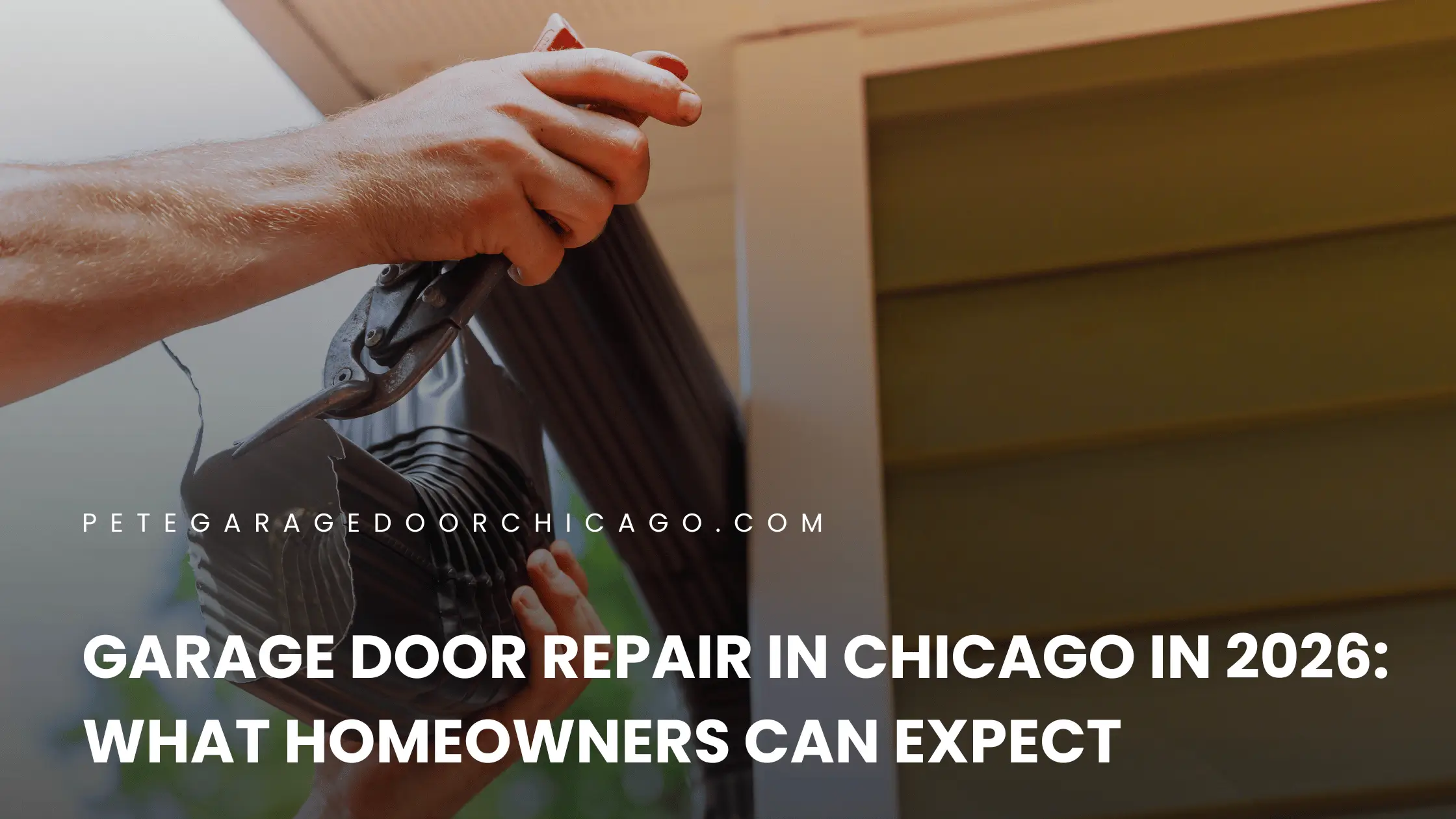
As home systems evolve and smart technologies grow more common, garage door repair in Chicago in 2026 reflects both traditional maintenance needs and changing expectations around service and performance.
Garage doors remain one of the most frequently used systems in residential homes, opening and closing multiple times a day while facing constant exposure to weather and wear. Because of this, repair remains a critical part of keeping homes functional, secure, and comfortable.
Chicago homeowners rely on garage doors for daily access, vehicle protection, and storage. As the city continues to balance historic housing stock with newer construction, repair services must adapt to a wide range of door styles, materials, and operating systems. Looking ahead, homeowners can expect a stronger focus on preventative care, faster diagnostics, and clearer communication when repair needs arise.
Why Garage Door Repair Continues to Matter
Garage doors operate under significant mechanical stress. Springs carry weight, cables guide movement, tracks control alignment, and openers coordinate motion. Over time, even well‑installed systems experience wear. Regular use combined with Chicago’s seasonal temperature shifts increases strain on these components.
In winter, cold air stiffens metal parts and reduces lubrication effectiveness. In summer, heat causes expansion that can affect alignment and tension. These cycles contribute to gradual wear that eventually leads to malfunction. Repair restores balance and ensures the door moves smoothly and safely.
Ignoring early signs of trouble often leads to larger issues. Delayed repair can cause added stress on openers, uneven panel movement, or safety sensor failure. Addressing problems early helps preserve the system and reduces the chance of sudden breakdowns.
Common Repair Issues Homeowners Face
While garage door systems vary, many repair calls stem from a predictable set of problems. Understanding these helps homeowners recognize when professional service is needed.
Typical repair issues include:
- Spring fatigue or failure
Springs manage the door’s weight. When they weaken or break, the door may feel heavy, move unevenly, or stop working entirely. Replacing or adjusting springs restores safe operation. - Track and roller alignment problems
Tracks can shift over time, and rollers wear down with use. These issues cause noisy operation or jerky movement. Realignment and part replacement restore smooth travel. - Sensor or opener malfunctions
Modern garage doors rely on sensors and electronic controls. Dirt, misalignment, or aging components can interrupt communication and stop the door from responding correctly.
These problems are common across both older and newer homes and tend to worsen when left unaddressed.
How Repair Services Are Changing
Looking ahead to garage door repair in Chicago in 2026, service expectations are shifting. Homeowners increasingly value efficiency, clarity, and preventative recommendations rather than reactive fixes alone.
One notable change is improved diagnostics. Many technicians now assess issues using photos or videos shared before a visit. This allows them to arrive prepared with the right tools and parts, reducing service time and repeat visits.
Communication standards are also rising. Appointment confirmations, arrival windows, and repair summaries are increasingly shared digitally. Homeowners appreciate transparency around timelines and costs, which builds trust and reduces frustration.
Preventative service is becoming more common as well. Instead of waiting for a part to fail, technicians assess wear patterns and recommend service before performance declines. This approach helps homeowners avoid emergency repairs and plan maintenance around their schedules.
Safety Remains a Priority
Garage doors are heavy systems that operate under tension. Repair work involves components that can cause injury if handled improperly. Professional repair prioritizes safety through established procedures.
Key safety practices include:
- Disconnecting power to the opener before mechanical adjustments
- Testing balance after spring or cable work to ensure smooth movement
Safety sensors are also inspected during repair visits. These sensors stop the door if something blocks its path, protecting people, pets, and property. Ensuring they work correctly is part of responsible service.
Homeowners should avoid attempting spring or cable repairs themselves. These components store energy and require specialized tools and experience.
Seasonal Impact on Garage Door Performance
Chicago’s climate plays a significant role in garage door wear. Cold winters increase metal contraction and reduce flexibility in seals. Snow and ice can interfere with tracks and sensors. Summer heat expands materials and can affect tension settings.
Seasonal inspections help catch problems early. Many homeowners schedule service before winter or after heavy seasonal use. This planning approach aligns with evolving expectations for garage door repair in Chicago in 2026, where prevention becomes as important as repair.
Cost Considerations and Planning
Repair costs vary based on labor, parts, and complexity. Simple adjustments or lubrication are typically modest. Spring replacement, opener repairs, or structural alignment involve more time and materials.
Clear pricing matters. Homeowners benefit from understanding what is being repaired and why. Early repairs often cost less than delayed ones, as unresolved issues can damage additional components.
Planning for maintenance and budgeting for eventual repairs helps avoid unexpected expenses.
Maintenance That Supports Long‑Term Performance
Routine maintenance complements professional repair. Keeping tracks clean, lubricating moving parts, and checking weather seals help extend system life.
Homeowners can also monitor operation. New noises, slower movement, or uneven closing often signal developing issues. Noticing these changes early leads to quicker resolution and less disruption.
The Role of Smart Systems
Smart garage door systems influence how repairs are diagnosed and managed. App‑based alerts notify homeowners when doors remain open or operate abnormally. Usage data can reveal patterns that indicate wear.
These tools help technicians understand system behavior more clearly. As smart features become standard, repair services adapt by combining mechanical expertise with technical insight.
Choosing the Right Repair Support
Homeowners seeking dependable service should look for professionals who combine experience with clear communication. Good repair support includes explaining the issue, outlining solutions, and providing realistic expectations.
Qualities to look for include:
- Transparent estimates
- Quality replacement parts
- Respect for scheduling and property
Community recommendations and consistent service history often signal reliability.
Long‑Term Value of Timely Repair
A properly functioning garage door supports daily routines, home security, and energy efficiency. It reduces drafts, protects stored items, and improves ease of access. Well‑maintained systems also reflect positively during home inspections and resale evaluations.
Investing in timely repair preserves both convenience and property value.
Looking Ahead With Confidence
The future of garage door repair in Chicago in 2026 blends traditional craftsmanship with improved diagnostics, stronger communication, and preventative care. Homeowners benefit from services that respect both the mechanical demands of garage doors and modern expectations for efficiency and clarity.
Staying informed, planning maintenance, and responding promptly to early warning signs help ensure garage doors continue to perform reliably year after year.
Support That Aligns With Your Home
Garage doors play a vital role in daily living. When repair needs arise, informed decisions and professional guidance make the process smoother and more effective.
For homeowners looking for help understanding garage door performance, maintenance planning, or repair considerations, Peter and Sons Construction offers guidance that connects practical function with long‑term home care.
You might like these