Peter and Sons Garage Door Chicago

Buying an Insulated Steel Garage Door in Chicago: What to Know First
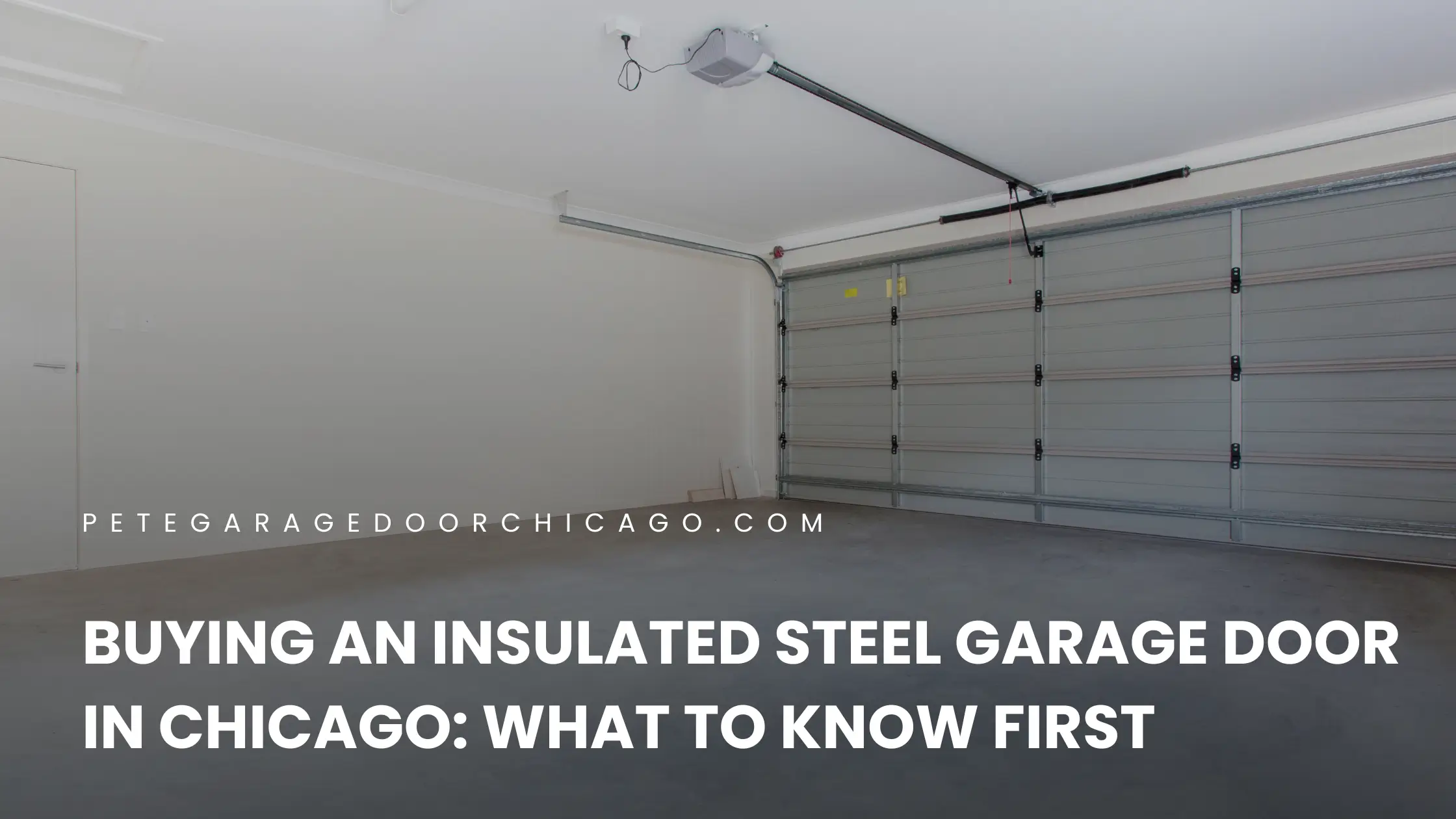
Choosing the right garage door for your home is a big decision, and for many Chicago homeowners, an insulated steel garage door Chicago option combines strength, energy efficiency, and visual appeal. Chicago’s climate, with cold winters and warm summers, puts demands on garage doors that lighter or uninsulated doors struggle with.
An insulated steel door improves temperature stability, offers better resistance to dents than other materials, and helps reduce drafts that can impact areas adjacent to living space.
Grooves, panel styles, and finish options have evolved, giving homeowners more control over curb appeal without sacrificing performance. A well‑chosen insulated steel garage door can complement your home’s exterior while performing reliably through seasonal weather swings.
As you plan this upgrade, understanding insulation levels, material differences, installation considerations, and maintenance expectations helps you choose a product and service plan that fits both your home style and functional needs.
Why Insulation Matters
An insulated steel garage door does more than look good. The insulation core — typically made of polyurethane or polystyrene sandwiched between steel skins — serves as a thermal barrier. This barrier reduces heat loss in winter and heat gain in summer. For homes with garages attached to living areas or rooms above, this can make a noticeable difference in comfort and energy usage.
Insulation works by slowing the transfer of heat through the door surface. This reduces drafts and helps maintain steadier interior temperatures near the garage. In a climate like Chicago’s, where temperature swings can be extreme, insulation helps reduce the effects of outdoor temperature on indoor spaces.
An insulated steel garage door also tends to operate more quietly than a non‑insulated option. The added layers help dampen noise from outside and reduce vibration as the door opens and closes. This is especially valuable for homes where the garage is used as a workshop, workout space, or a frequently accessed entry point.
Choosing the Right Insulation Level
Homeowners selecting an insulated steel garage door Chicago often consider insulation in terms of R‑value. R‑value measures how effectively a door resists heat flow. Higher R‑values indicate stronger insulation.
Common insulation approaches include:
- Polystyrene cores — These provide basic insulation at a lower cost and work well in moderate climates or for detached garages.
- Polyurethane cores — More efficient at resisting heat transfer and often foamed in place for better rigidity and structural support.
Polyurethane insulation is generally more effective in extreme climates, which makes it a strong choice for Chicago homes with attached garages or spaces used beyond basic parking. Polystyrene remains a practical choice for garages that are detached or used less frequently.
When choosing insulation, consider how you use the garage. Do you store temperature‑sensitive items? Do you have rooms adjacent to the garage? Do you notice drafts or cold spots in winter? Answering these questions helps determine the right R‑value for your needs.
Material Strength and Daily Use
Steel is known for its strength and durability. An insulated steel garage door resists dents and holds up well against impacts compared to lighter materials like aluminum. Steel panels are also less prone to warping under temperature changes, which is a common concern in regions with large seasonal swings.
The combination of steel and insulation also supports overall door balance. Proper balance reduces strain on springs and openers, leading to longer part life and smoother operation. When panels fit tightly and tracks are aligned, the opener does not have to work as hard, reducing wear on mechanical components.
Another factor in material choice is finish protection. Quality paint or coating protects steel from corrosion and surface damage. Textured or woodgrain finishes offer aesthetic flexibility while still delivering core performance advantages.
Style and Curb Appeal
An insulated steel garage door can suit a wide range of home styles. Modern homes often benefit from sleek panels and minimal detailing in gray, black, or deep blue tones. Traditional homes may look best with classic raised panels and a palette that matches brick or siding.
Design choices include:
- Panel profile — Raised, flush, or carriage styles
- Color selection — From classic neutrals to bold accent tones
- Window placement — Options that bring in natural light without compromising privacy
Windows placed near the top of the door brighten the interior of the garage while maintaining visual balance. Frosted or tinted glass offers privacy while still admitting daylight.
Matching hardware like handles, hinges, or decorative straps gives the door personality and complements other exterior fixtures. Coordinating garage door color and hardware with trim, siding, and entry doors creates a unified exterior look.
Installation Considerations
Professional installation helps ensure your insulated steel garage door operates as expected. A correctly installed door is level, balanced, and sealed. Poor installation can lead to drafts, noise, uneven wear on hardware, and premature part failure.
Installation typically includes:
- Accurate measurement and sizing
- Level track alignment
- Spring tension adjustment
- Sealing and weatherstrip placement
Weather seals along the bottom and edges reduce drafts and help keep moisture and pests out. These seals also prolong the life of insulation by reducing exposure to fluctuating outdoor conditions.
Choosing a reputable installer makes a difference in long‑term performance. Technicians can also advise on insulation options, hardware upgrades, and smart control compatibility if you choose to integrate remote or app‑based systems.
Maintenance and Long‑Term Care
Insulated steel garage doors require minimal maintenance, but periodic checks are essential to ensure ongoing performance. Inspect weather seals for cracking or gaps. Check rollers, tracks, and hinges for wear and debris. Lubricate moving parts periodically to reduce friction and noise.
Clean the door surface with mild soap and water to prevent corrosion and preserve the finish. Avoid harsh chemicals that can damage paint or coatings. Examine insulation edges and seals each season to verify they remain intact.
Routine maintenance lets you catch small issues before they escalate into costly repairs. Balanced panels operate quietly and reduce stress on springs and openers, extending part life.
Cost Considerations and Value
The cost of an insulated steel garage door varies based on size, insulation type, finish, and hardware options. Steel doors with higher R‑values or custom finishes typically cost more upfront. However, the long‑term performance benefits — including energy savings and reduced wear — often outweigh the initial investment.
Homeowners who plan to live in their homes for many years usually see strong value from insulated doors, especially if the garage is attached or used as a workshop or living extension. Energy performance can reduce heating and cooling load on adjacent spaces, making the entire home more efficient.
Climate and Seasonal Performance
Chicago’s weather is known for extremes — cold winters, hot summers, and moisture swings between seasons. An insulated steel garage door helps moderate those extremes inside the garage. While the garage is rarely fully sealed like an interior room, quality insulation makes temperature swings less dramatic.
In winter, insulation slows heat loss, reducing drafts near garage entries that lead into living areas. In summer, insulation slows heat gain, making the space more comfortable for projects or storage.
Insulated doors also help reduce condensation that can occur when warm indoor air meets cold surfaces. By reducing thermal bridging (the direct transfer of cold through metal), insulation improves overall comfort and protects interior contents.
Smart Features and Modern Expectations
As connected home technology evolves, insulated steel garage doors often pair with smart openers and monitoring tools. App‑based controls let homeowners check door status or operate the door from anywhere. Some systems offer alerts, scheduling, and integration with voice assistants.
These modern features expand the role of the garage door beyond traditional remote control. A connected system gives peace of mind, especially for families with frequent comings and goings or homes with multiple users.
Making the Final Decision
Choosing an insulated steel garage door Chicago homeowners want to enjoy both performance and appearance. Material strength, insulation value, design flexibility, and installation quality all influence long‑term satisfaction.
Balancing upfront cost with long‑term benefits and seasonal performance helps ensure the door you choose fits your lifestyle and home for years to come.
Support for Your Garage Upgrade
Selecting the right garage door involves decisions about color, insulation, hardware, and operation style. If you need help comparing options, planning installation timing, or understanding performance expectations, professional guidance can clarify your choices and set realistic expectations for outcomes. Peter and Sons Construction works with homeowners to align design goals with weather performance and long‑term comfort.
You might like these