Peter and Sons Garage Door Chicago

Why Fire Safety Should Start at the Commercial Garage Door
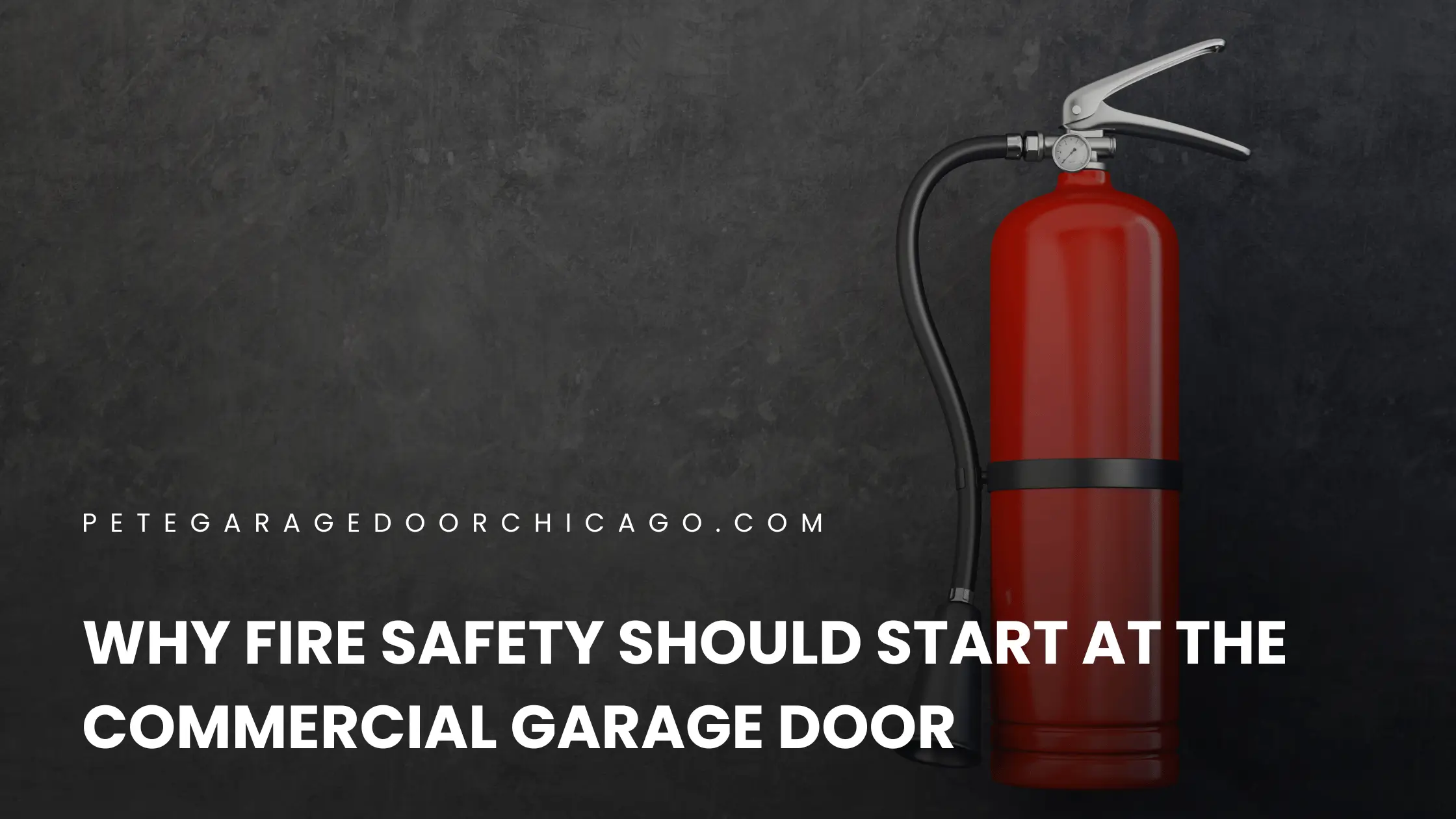
In many commercial buildings, the garage or loading bay is one of the largest access points — and one of the most vulnerable in the event of a fire. While most businesses invest in alarms, extinguishers, and sprinkler systems, the garage door is often overlooked as part of a fire protection plan. That’s a mistake.
The right garage door does more than secure vehicles and equipment. It plays a role in slowing down fire spread, protecting employees, and giving first responders more time to act. In high-risk settings such as warehouses, manufacturing plants, or storage facilities, having the proper door can reduce damage and meet local safety codes.
This is where fire-rated commercial garage doors come in. These doors are built to perform under pressure. They’re tested and certified to resist heat and flames for a set period, helping contain a fire instead of feeding it. If your building relies on a standard steel or overhead door without a fire rating, you might be leaving a critical gap in your safety plan.
What Makes a Door Fire-Rated?
Not all commercial doors are designed to resist fire. A fire-rated commercial garage door is built with materials and construction methods that prevent the spread of heat and flames for a specified time — usually 45, 60, 90, or 180 minutes, depending on the model.
To qualify for a fire rating, the door must pass independent lab testing under extreme heat and remain structurally intact without warping, failing, or allowing flames to penetrate. These doors often include features like:
- Fire-resistant steel or composite panels
- Insulated cores that prevent heat transfer
- Automatic closing systems activated by alarms
- Seals that expand to block smoke and flames
- Labels or tags that certify compliance with UL, NFPA, or other fire codes
Unlike regular doors, fire-rated models are installed with specific hardware and frame requirements to ensure the entire system performs as intended.
Who Needs Fire-Rated Garage Doors?
Not every commercial property requires a fire-rated door, but many do, especially in industries where flammable materials are present or where fire barriers between units or sections of a building are required by code.
Common places where fire-rated commercial garage doors are installed include:
- Auto repair shops
- Manufacturing facilities
- Commercial kitchens or food processing areas
- Warehouses and fulfillment centers
- Parking structures with equipment storage
- Buildings with attached residential or office spaces
If your local building codes reference NFPA 80, IBC, or UL 10B standards, you likely need a rated door for certain zones or entry points. It’s also worth checking your insurance policy; some carriers offer better rates for properties using certified fire-rated barriers.
Performance and Operation
One concern some business owners have is whether a fire-rated door will function like a regular overhead door. The answer is yes, with some added features.
These doors operate like standard roll-up or sectional garage doors but are equipped with automatic closing mechanisms triggered by alarm systems or fusible links. That means during normal use, they open and close like any other door. But when a fire alarm sounds or temperatures reach a critical point, the system engages, and the door closes automatically to create a fire barrier.
They’re designed to balance daily usability with emergency readiness. Most models also support manual operation or motorized openers for regular traffic.
Benefits Beyond Compliance
Even if your local code doesn’t require one, there are reasons to consider fire-rated commercial garage doors in your facility.
Top benefits include:
- Increased safety for people and property
A rated door slows down the fire, giving people more time to evacuate safely and protecting inventory or critical equipment behind the barrier. - Improved insurance positioning
Businesses that take extra steps to reduce fire risk may qualify for insurance discounts or lower liability in the event of damage. - Reduced damage and downtime
Fires that are contained quickly often lead to faster recovery. A fire-rated barrier limits the reach of smoke and flames, helping you avoid full-building loss.
Better compliance with future inspections
Even if not required now, future safety inspections or expansions may make fire doors mandatory. Having one installed now can make those transitions easier.
Maintenance and Testing Requirements
Because these doors play a critical safety role, they must be maintained properly. Fire-rated garage doors require annual inspections to ensure the door, track system, and closing mechanisms are all in working order.
It’s not enough to test the opener; you’ll also need to confirm that the automatic drop system works, that no parts are obstructed or worn, and that the door can fully close without delay. Businesses that skip testing may find themselves out of compliance or at risk in an actual emergency.
Some local codes require documented testing or certification logs that show the door was inspected and tested by a qualified technician. Skipping that step could affect your liability or insurance coverage if a fire occurs.
What to Look for When Choosing a Fire-Rated Door
Not all models are built the same, and choosing the right one depends on your building type, fire zoning, and usage needs.
Key factors to consider include:
- Fire rating time (45, 90, 180 minutes)
- Manual vs. automatic closing options
- Thermal insulation values
- UL/NFPA certification
- Integration with your current fire alarm system
- Material durability (steel vs. composite vs. specialty blends)
- Space requirements for roll-up vs. sectional doors
Working with a qualified installer can also help you confirm that the frame and wall construction meet requirements for rated installation. A fire-rated door won’t work as intended if it’s not properly mounted or maintained.
Don’t Overlook the Most Active Fire Barrier in Your Building
Every building has systems in place to protect against emergencies, but not every system gets used daily. The garage door does, and that makes its performance even more important. When an emergency happens, the door’s ability to close, seal, and contain a fire may determine how much is saved and how much is lost.
If you’re managing a facility in Chicago or nearby and haven’t reviewed your fire barrier systems lately, it may be time to take a closer look at your garage setup. A basic steel roll-up door won’t offer the same protection or meet the same standards as a rated system.
The team at Peter and Sons Construction can help assess your current garage door system and offer guidance on repairs, upgrades, or code-compliant options that align with your building’s needs without upselling you on features that don’t serve your space.
You might like these