Must-Have Features in Motorcycle Garage Door Openers

Must-Have Features in Motorcycle Garage Door Openers

Having the right garage door opener for your motorcycle can make all the difference in your riding experience. 

In this blog, we’ll explore the essential features to look for when choosing a garage door opener that’s perfect for your motorcycle storage needs, while also considering effective lawn marketing strategies to ensure you’re making the most out of your investment.

Why Use a Garage Door Opener for Your Motorcycle?

A garage door opener for motorcycles offers several advantages. First and foremost, it provides a convenient way to open and close your garage door without having to dismount from your motorcycle.

This can be particularly useful during inclement weather or when you’re carrying items on your bike. 

A garage door opener adds an extra layer of security by allowing you to quickly and easily secure your motorcycle in your garage.

Essential Features to Consider

  • Compatibility – One of the first things to consider when choosing a garage door opener for your motorcycle is compatibility with your garage door system. Make sure the opener is compatible with the type and size of your garage door to ensure smooth operation.
  • Remote Control – Look for a garage door opener that comes with a remote control for easy operation from a distance. This allows you to open and close the garage door without having to get off your motorcycle, adding convenience to your daily routine.
  • Security Features – Security is paramount when it comes to protecting your motorcycle. Choose a garage door opener with advanced security features such as rolling code technology and encryption to prevent unauthorized access and keep your motorcycle safe.
  • Safety Sensors – Safety should always be a top priority. Opt for a garage door opener equipped with safety sensors that detect obstructions in the door’s path and automatically reverse its direction to prevent accidents or damage to your motorcycle.
  • Quiet Operation – Nobody wants a noisy garage door opener disrupting the peace and quiet of their home. Look for models with quiet operation features to minimize noise and disturbance, especially if your garage is attached to your living space.
  • Battery Backup – In case of a power outage, having a garage door opener with a battery backup can be a lifesaver. Look for models that come with battery backup capabilities to ensure uninterrupted access to your garage, even during emergencies.
  • Durability and Reliability – Invest in a garage door opener that is built to last. Choose reputable brands known for their durability and reliability to avoid frequent repairs or replacements in the future.

Top Garage Door Opener Options for Motorcycles

  • Chamberlain B970 Garage Door Opener

    This opener is known for its reliability and quiet operation. It offers smartphone connectivity, allowing you to open and close your garage door remotely.

Genie ChainDrive 550 Garage Door Opener

The Genie ChainDrive 550 is a durable and affordable option. It features a heavy-duty chain drive system and is compatible with most garage doors.

LiftMaster 8500 Wall-Mount Garage Door Opener

The LiftMaster 8500 is a space-saving option that mounts on the wall beside your garage door. It offers smooth and quiet operation, making it ideal for use in a garage that is attached to your home.

Choose the Best Garage Door Opener for Your Motorcycle

Choosing the perfect garage door opener for your motorcycle involves more than just picking the most affordable or the first option you come across. It’s about finding a balance between functionality, security, and convenience to enhance your riding experience.

For those looking into installation, repair, or replacement of commercial garage door openers, Peter and Sons Construction offers professional services that guarantee reliability and quality. With their expertise, getting the best garage door opener for your motorcycle becomes an investment in your passion for riding.

Contact Peter and Sons Construction today to explore your options for a garage door opener that meets all your needs.

You might like these
Best Roll-Up Garage Door Opener for Home Security

Best Roll-Up Garage Door Opener for Home Security

When considering a garage door opener for your roll-up door, reliability and functionality are paramount. 

In this blog, we aim to simplify the selection process by highlighting the key factors you need to consider. 

Whether you’re looking to upgrade your existing opener or install a new one, this guide will help you make an informed decision and ensure that your roll-up garage door operates smoothly and efficiently.

Type of Opener

When it comes to selecting a garage door opener, understanding the different types available is crucial. Here’s a breakdown of the three main types:

  • Chain-Drive Openers – These are the most common and economical option. They use a metal chain to operate the door, making them durable and suitable for heavy doors. However, they tend to be noisy during operation, which can be a consideration if your garage is attached to your home or if noise is a concern.
  • Belt-Drive Openers – Belt-drive openers use a rubber belt to move the door, resulting in quieter operation compared to chain-drive models. They are ideal for homes where noise is a concern, such as attached garages or living spaces above the garage. While they offer smoother and quieter operation, they typically come at a higher price point than chain-drive openers.
  • Screw-Drive Openers – Screw-drive openers operate using a threaded steel rod to move the door. They are known for their durability and require minimal maintenance. While they may not be as quiet as belt-drive openers, they are quieter than chain-drive models. Screw-drive openers are a good option for those seeking a balance between durability, affordability, and noise level.

Horsepower

The horsepower of the garage door opener determines how quickly and smoothly it can lift the door. For most roll-up doors, a 1/2 or 3/4 horsepower opener is sufficient. However, if you have a heavier or larger door, you may need a higher horsepower opener.

Security Features

When selecting a garage door opener, prioritize security features. Choose models with rolling code technology, which changes the code with each use, enhancing security. Also, opt for openers with sensors to detect obstacles and prevent the door from closing.

Remote Control Options

Consider the remote control options that come with the garage door opener. Some openers come with a basic remote control, while others offer advanced features such as smartphone connectivity. Choose an opener that offers the level of convenience and control that you desire.

Warranty

Lastly, consider the warranty offered by the garage door opener manufacturer. A good warranty can provide you with peace of mind knowing that your investment is protected. Look for openers with a warranty of at least five years.

By considering these key factors, you can choose the right garage door opener for your roll-up door. A reliable and efficient opener can provide you with convenience, security, and peace of mind for years to come.

Enhancing Your Home Access

A garage door opener for your roll-up door can significantly enhance the convenience and security of your home. With the ability to open and close your garage door with the touch of a button, you can enjoy effortless access to your garage, even in inclement weather.

When it comes to ensuring the security and convenience of your home’s entryways, Peter & Sons Construction is a name you can trust.

With a range of home access solutions designed to make your life easier and your home safer, Peter & Sons Construction is committed to providing top-notch service and products. 

Don’t settle for a subpar garage door opener. Upgrade to a Peter & Sons Construction garage door opener today and experience the difference.

Contact Peter & Sons Construction now to schedule a consultation and see how our home access solutions can enhance your life.

You might like these

Make Your Life Easier with a Garage Door Opener for Car

Make Your Life Easier with a Garage Door Opener for Car

When you think about your garage, what comes to mind?

For many people, it’s a place to store their car, tools, and other items. 

But did you know that your garage can be much more than just a storage space?

With the right tools and accessories, you can transform your garage into a functional and convenient space that makes your life easier. 

One such accessory is a garage door opener for your car.

Below, we’ll explore how a garage door opener from Peter & Sons can revolutionize your garage experience. From the convenience of opening your garage door without leaving your car to the added security features, you’ll discover how this simple accessory can make your life easier and more efficient.

What is a Garage Door Opener for a Car?

A garage door opener for a car is a device that allows you to open and close your garage door without having to get out of your car. This can be especially useful during bad weather or late at night when you don’t want to get out of your car to open the garage door manually.

How Does a Garage Door Opener for a Car Work?

A garage door opener for a car works by sending a signal from a remote control to a receiver in the garage door opener unit. The receiver then activates the motor, which opens or closes the garage door.

Some garage door openers for cars also come with sensors that detect when your car is approaching the garage and automatically open the door for you.

Benefits of a Garage Door Opener for Car

  1. Convenience – A garage door opener allows you to open and close your garage door without having to leave your car. This is especially helpful during inclement weather or when you’re in a hurry.
  2. Security – With a garage door opener, you can quickly secure your garage door when you leave your car unattended. This helps protect your car and other belongings from theft or vandalism.
  3. Safety – Garage door openers often come with safety features such as sensors that detect objects in the door’s path. This helps prevent accidents and injuries caused by a closing garage door.
  4. Ease of Use – Garage door openers are easy to operate and require minimal maintenance. Once installed, you can enjoy the convenience of opening and closing your garage door with the push of a button.
  5. Increased Home Value – Installing a garage door opener can increase the value of your home. Potential buyers often see it as a desirable feature that adds convenience and security to the property.

Enhancing Your Garage with a Car Garage Door Opener

A garage door opener for your car can transform your garage into a more convenient and secure space. 

The ability to open and close your garage door with the push of a button not only saves time but also adds a level of convenience that you’ll wonder how you ever lived without.

If you’re considering a garage door opener for your car, take the time to research and choose one that meets your specific needs and budget. With the right garage door opener, you can enhance the functionality and security of your garage, making it a valuable addition to your home.

Upgrade your garage today and contact Peter & Sons Construction for expert advice and installation services, ensuring your garage receives the upgrade it deserves. 

Contact us today to enhance your space effortlessly.

You might like these

Expert Tips on How to Tighten Garage Door Springs Safely

Expert Tips on How to Tighten Garage Door Springs Safely

Expert Tips on How to Tighten Garage Door Springs Safely

If you’ve ever struggled with your garage door not operating as smoothly as it should, it might be time to explore a simple solution – tightening the garage door springs. 

These springs play an important role in the functionality of your garage door, and occasional adjustments can make a significant difference. 

In this blog, we’ll walk you through the process of how to tighten garage door springs, ensuring your garage door operates at its best.

Why Tighten Your Garage Door Springs?

Maintain Balance – One of the main reasons to tighten your garage door springs is to maintain the balance of the door. When the springs are loose, it can cause the door to become unbalanced, leading to uneven wear and tear on the door and its components.

Prevent Damage – Loose springs can also cause damage to other parts of your garage door system. For example, if the springs are not providing enough tension, it can put extra strain on the garage door opener, causing it to wear out prematurely.

Ensure Safety – Loose garage door springs can be dangerous. If they break or snap while the door is in motion, it can cause the door to fall suddenly, potentially injuring anyone or anything in its path.

How to Tighten Your Garage Door Springs

Gather Your Tools – You’ll need a few tools for this job, including a pair of vice grips, a winding bar, and a ladder.

Locate the Springs – The first step is to locate the springs. They are usually located above the garage door and will be either torsion springs or extension springs.

Secure the Door – Before you start working on the springs, make sure the door is closed and secured in place.

Release the Tension – Using the winding bar, slowly release the tension from the springs. This will make it easier to tighten them later.

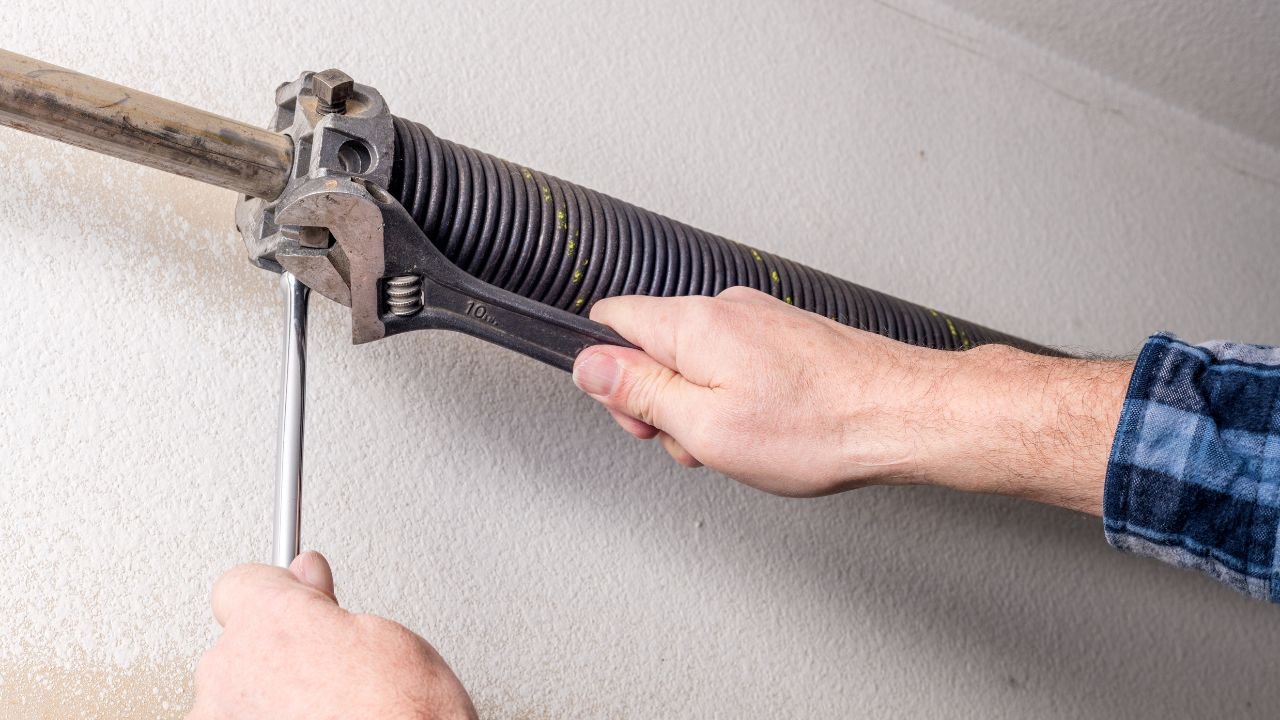
Tighten the Springs – Using the vice grips, grip the spring and turn it in the direction needed to tighten it. Be careful not to over-tighten the spring, as this can cause it to break.

Test the Door – Once you’ve tightened the springs, test the door to make sure it opens and closes smoothly.

Adjust as Needed – If the door is still not balanced, you may need to make further adjustments to the springs.

Secure the Springs – Once you’re satisfied with the tension, secure the springs in place

Proper Maintenance Tips

Regular maintenance can prolong the lifespan of your garage door springs and alert you when they are close to failure. Here are some tips:

  • Lubricate the springs with silicone or oil-based spray or grease about four times a year.
  • Check the garage door balance at least yearly.
  • If your garage door springs are showing signs of rust or corrosion, spray them with CRC or a similar product and give them a good wipe-down. Use a silicone-based lubricant regularly.

Keeping Your Garage Door Springs in Top Shape

Knowing how to tighten garage door springs can be a handy skill, saving you time and possibly even money.

But it’s not without its risks. Always prioritize safety, double-check your work, and remember – if the task seems too daunting, or if you run into issues, professional help is just a call away.

In fact, for those not quite ready to tackle this project solo, reaching out to experts like Peter and Sons Construction can provide peace of mind, ensuring your garage door is safely and effectively adjusted.

Contact us today to get a free quote and hassle-free garage door maintenance.

You might like these

How to Measure Garage Door Springs

How to Measure Garage Door Springs

How to Measure Garage Door Springs

If you’ve ever found yourself in a situation where your garage door refuses to open or close smoothly, chances are, the springs might need a look. 

Understanding how to measure garage door springs is crucial for maintenance, repair, or replacement. 

This guide will walk you through the process in simple terms, making it easier for you to get your garage door back in top shape.

Identifying Your Spring Type

First things first, identify the type of spring system your garage door uses. 

There are two main types: torsion springs and extension springs. 

Torsion springs are mounted above the garage door, while extension springs run along the tracks on either side. Identifying the type is crucial as the measurement process differs for each.

Measuring Torsion Springs

To measure a torsion spring, follow these steps:

Safety First: Always ensure the garage door is closed and properly secured to prevent it from opening while you’re working. Disconnecting the opener and clamping the door in place with locking pliers can add an extra layer of safety.

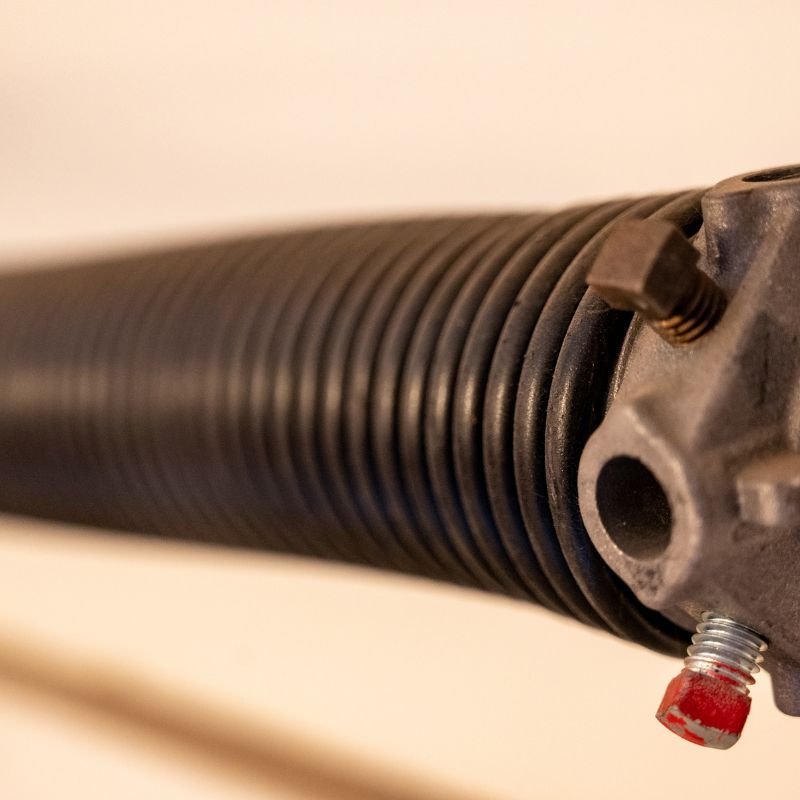
Determine the Wire Size: Use a measuring tape to measure 10 coils of the spring. Divide this measurement by 10 to get the wire diameter. This measurement is critical as it determines the strength of the spring.

Measure the Inside Diameter: Look for a stamp on the spring’s stationary cone, which often indicates the inside diameter. If there’s no stamp, use a tape measure to measure across the inside of the spring.

Length of the Spring: Measure the entire length of the spring. For accuracy, do this while the spring is still wound up.

How to Measure Garage Door Springs (1)

Measuring Extension Springs

Extension springs are a bit easier to measure:

Safety Precautions: Similar to torsion springs, ensure the garage door is closed and secured.

Length of the Spring: Measure the spring from one end to the other while it’s not under tension. You’ll get the most accurate measurement by disconnecting the spring from the door and the track.

Determine the Weight Capacity: Extension springs are color-coded based on their weight capacity. Check the color code at the end of the spring, which can help you when purchasing a replacement.

Common Mistakes to Avoid

When learning how to measure garage door springs, there are a few pitfalls you’ll want to steer clear of:

Not Securing the Door: Always make sure the door is secured. An unsecured door can lead to injuries.

Measuring Worn Springs: Springs that are significantly worn out may not provide accurate measurements. In such cases, consult a professional.

Guessing the Size: Never estimate spring dimensions. Always use a tape measure for accuracy.

Where to Find Replacement Springs

Once you know how to measure garage door springs and have your measurements, finding a replacement is the next step. 

You can purchase springs from hardware stores, online retailers, or directly from garage door manufacturers. Ensure you’re buying the correct type and size based on your measurements.

DIY vs. Professional Help

While measuring garage door springs can be a DIY task, replacing them can be dangerous due to the high tension they’re under. If you’re not comfortable or experienced in handling garage door repairs, it’s wise to call in a professional. 

This is where Peter and Sons Construction can be your go-to solution. With our expertise in garage door repairs and replacements, they can ensure that the job is done safely and correctly, providing peace of mind alongside quality service.

Ensuring Safety and Efficiency with Properly Measured Garage Door Springs

Safety should always be your priority when working with garage door springs. If you’re uncertain about any aspect of measuring or replacing your springs, seek professional help to avoid accidents and ensure the optimal functioning of your garage door.

For all your garage door service, repair, and installation needs in the greater Chicago area, trust Peter and Sons Construction. Our expertise and commitment to quality will make a difference in your garage door system.

Contact us today for a consultation and experience the peace of mind that comes with a well-maintained garage door.

You might like these

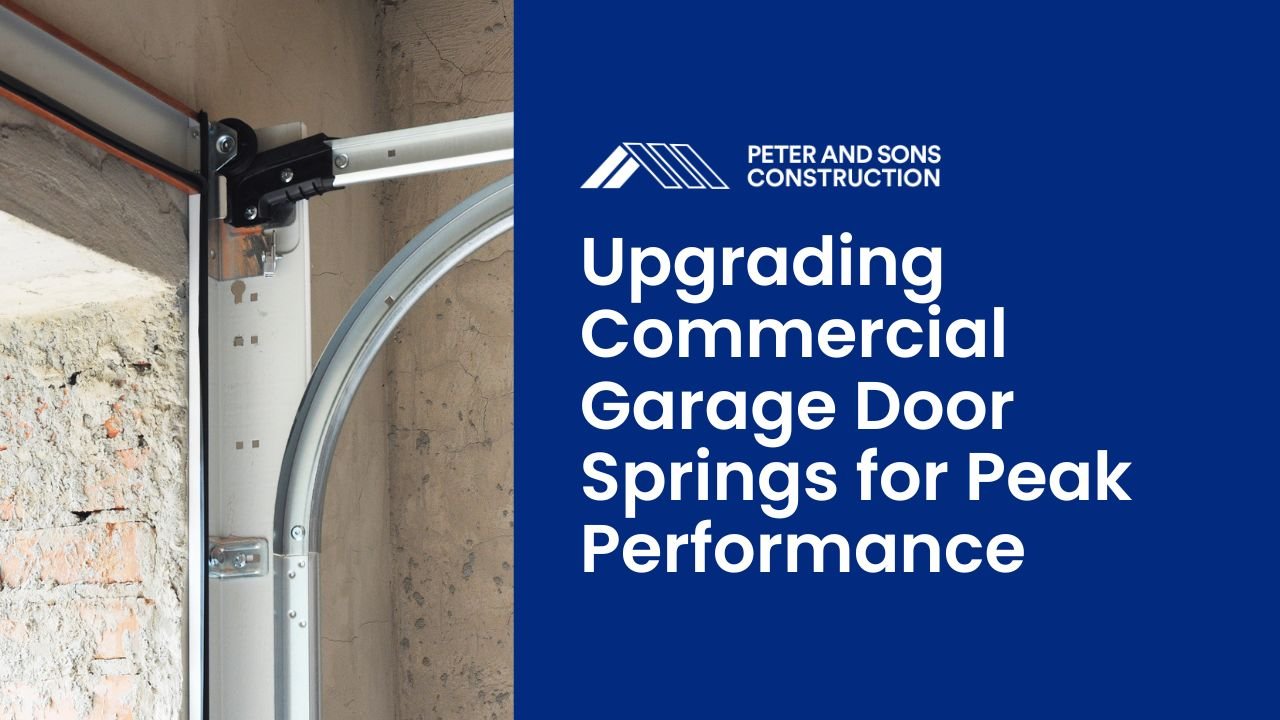
Upgrading Commercial Garage Door Springs for Peak Performance

Upgrading Commercial Garage Door Springs for Peak Performance (1)

Upgrading Commercial Garage Door Springs for Peak Performance

If you’re running a business that relies on a commercial garage, then you know how crucial it is to keep everything running smoothly. 

One key component that often gets overlooked until it’s too late is the garage door springs. These springs do the heavy lifting—quite literally—every time your garage door opens or closes. 

So, upgrading your commercial garage door springs is not just a maintenance task; it’s a crucial step toward ensuring peak performance and safety for your business operations.

Role of Commercial Garage Door Springs

Garage door springs counterbalance the weight of the door, allowing it to open and close with minimal effort. There are two main types of springs used in commercial settings: torsion springs and extension springs.

Torsion springs are mounted above the door opening, while extension springs are located along the tracks on either side of the door.

Both types are under a significant amount of tension to lift and lower the heavy doors effortlessly.

Why Upgrade Your Springs?

Safety Comes First

The primary reason to consider upgrading your commercial garage door springs is safety. Worn-out or damaged springs pose a significant risk.

If a spring snaps, it can cause the door to fall rapidly, leading to potential injury or damage to property.

Upgrading to high-quality springs reduces the risk of such accidents, ensuring a safer environment for your employees and customers.

Improved Performance and Reliability

Upgraded springs can also enhance the performance of your garage door. 

High-quality springs provide smoother operation and more consistent lifting power, which can be especially noticeable in commercial settings where the door sees frequent use. 

This reliability can save you from unexpected breakdowns and the associated costs and hassles of emergency repairs.

Long-Term Cost Savings

While upgrading your commercial garage door springs might seem like an upfront investment, it can lead to significant cost savings in the long run.

Better quality springs have a longer lifespan, reducing the need for frequent replacements.

Additionally, by avoiding emergency repairs and potential damage to your door or opener caused by failed springs, you’re saving money and ensuring your operations run smoothly without costly interruptions.

Signs It's Time for an Upgrade

How do you know when it’s time to consider upgrading your commercial garage door springs?

Keep an eye out for these signs:

Noise Issues – If your garage door is making more noise than usual during operation, it could be a sign that the springs are wearing out.

Inconsistent Movement – Are you noticing uneven movements or jerky operations when opening or closing the garage door? This could indicate a problem with the springs.

Visible Wear and Tear – Take a close look at the springs. If you notice any signs of rust, corrosion, or visible damage, it’s time to consider an upgrade.

Balance Problems – An imbalanced door is a clear indicator of spring issues. If one side of the door seems heavier than the other, the springs may be losing their effectiveness.

Slow Response – If your garage door is taking longer than usual to respond to commands, the springs may be struggling to provide the necessary tension.

Professional Installation is Key

Given the tension involved in garage door springs, upgrading them is not a job for the weekend DIY enthusiast. This is where professional installation becomes crucial.

It ensures that your new springs are installed safely and correctly, promising optimal performance and longevity.

Professionals like the team at Peter and Sons Construction can also conduct a thorough inspection of other components of your garage door system, guaranteeing that everything operates in top-notch condition.

Enhance Your Business Security with Upgraded Garage Door Springs

Deciding to upgrade your commercial garage door springs is a wise choice for any business that values the smooth operation of its garage doors. It represents an investment in safety, performance, reliability, and, importantly, long-term cost savings.

Contact Peter and Sons today to get a free quote and find out how we can assist in upgrading your commercial garage door springs for peak performance. Your business deserves the best protection and efficiency, and we’re committed to providing it.

You might like these

How Long Do Garage Door Springs Last?

How Long Do Garage Door Springs Last

How Long Do Garage Door Springs Last?

Having a well-functioning garage door is one of those conveniences in life that we often take for granted—until something goes wrong. 

One of the key components that ensure the smooth operation of your garage door are the springs. But, how long do garage door springs last? 

Understanding the lifespan of your garage door springs can help you anticipate maintenance or replacement needs, ensuring your garage door continues to operate efficiently and safely.

Lifespan of Garage Door Springs

On average, garage door springs last about 7-9 years with regular use. This can vary depending on several factors, such as the quality of the springs, the frequency of use, and the climate in which you live. 

Higher-quality springs may last longer, while cheaper springs may wear out more quickly.

The lifespan of garage door springs is measured in cycles. A cycle is counted each time the garage door opens and closes. 

Most garage door springs are rated for about 10,000 cycles. If you use your garage door an average of 4 times a day, your springs will last around 7 years. 

However, if you only use your garage door twice a day, your springs could last up to 14 years.

Factors That Affect Garage Door Spring Lifespan

Quality of the Springs – Higher-quality springs are made of better materials and are less likely to break or wear out quickly. Investing in high-quality springs can save you money in the long run by avoiding premature replacement.

Frequency of Use – The more often you use your garage door, the faster your springs will wear out. If you use your garage door multiple times a day, you may need to replace your springs sooner than someone who only uses their garage door a few times a week.

Climate – Extreme temperatures can affect the lifespan of your garage door springs. Cold weather can cause the metal to become brittle and more prone to breaking, while hot weather can cause the metal to expand and weaken over time.

Signs That Your Garage Door Springs May Need Replacement

While there isn’t a one-size-fits-all answer to how long garage door springs last, there are signs that can indicate they are reaching the end of their lifespan:

Visible Wear and Tear – Inspect the springs for any visible signs of wear, such as rust, gaps, or deformation. These are indicators that the springs may be weakening.

Uneven Movement – If your garage door starts to close unevenly or appears crooked, it may be a sign that one of the springs is wearing out faster than the other.

Squeaking or Grinding Noises – Unusual sounds during the operation of your garage door, such as squeaking or grinding, may suggest that the springs are experiencing increased friction and need attention.

Difficulty Opening or Closing – If you notice your garage door is becoming more challenging to open or close, it could be a sign that the springs are losing their effectiveness.

Extending the Lifespan of Garage Door Springs

While garage door springs are not meant to last forever, there are steps you can take to extend their lifespan:

  • Regular Inspection – Periodically inspect your garage door springs for signs of wear and tear. Look for any rust, gaps, or deformation.
  • Lubrication – Apply a recommended garage door lubricant to the springs and other moving parts to reduce friction and promote smooth operation.
  • Professional MaintenanceConsider scheduling professional maintenance at regular intervals. A professional technician like Peter and Sons Construction can identify issues early on and perform necessary adjustments or replacements.

When to Call the Professionals

Garage doors may seem easy to repair, but they’re actually quite complex, especially when it comes to the springs. These springs are under intense pressure to lift the heavy door, making them potentially dangerous to work on.

Repairing garage door springs requires specific tools and expertise, which is why it’s usually best to hire a professional.

When it comes to garage door spring replacement, it’s best to leave it to the professionals. Hiring a trained technician can ensure that your garage door is repaired safely, efficiently, and cost-effectively. If you’re in need of garage door spring replacement, don’t hesitate to contact a professional technician for assistance.

If you suspect that your garage door springs need replacing, contact a professional garage door repair company to safely inspect and replace them. For expert garage door service, repair, and installation in the greater Chicago area, trust Peter and Sons Construction.

Contact us today for a consultation and keep your garage door in top condition!

You might like these

Adjusting Garage Door Springs – Simple Guide for Beginners

Adjusting Garage Door Springs - Simple Guide for Beginners

Adjusting Garage Door Springs - Simple Guide for Beginners

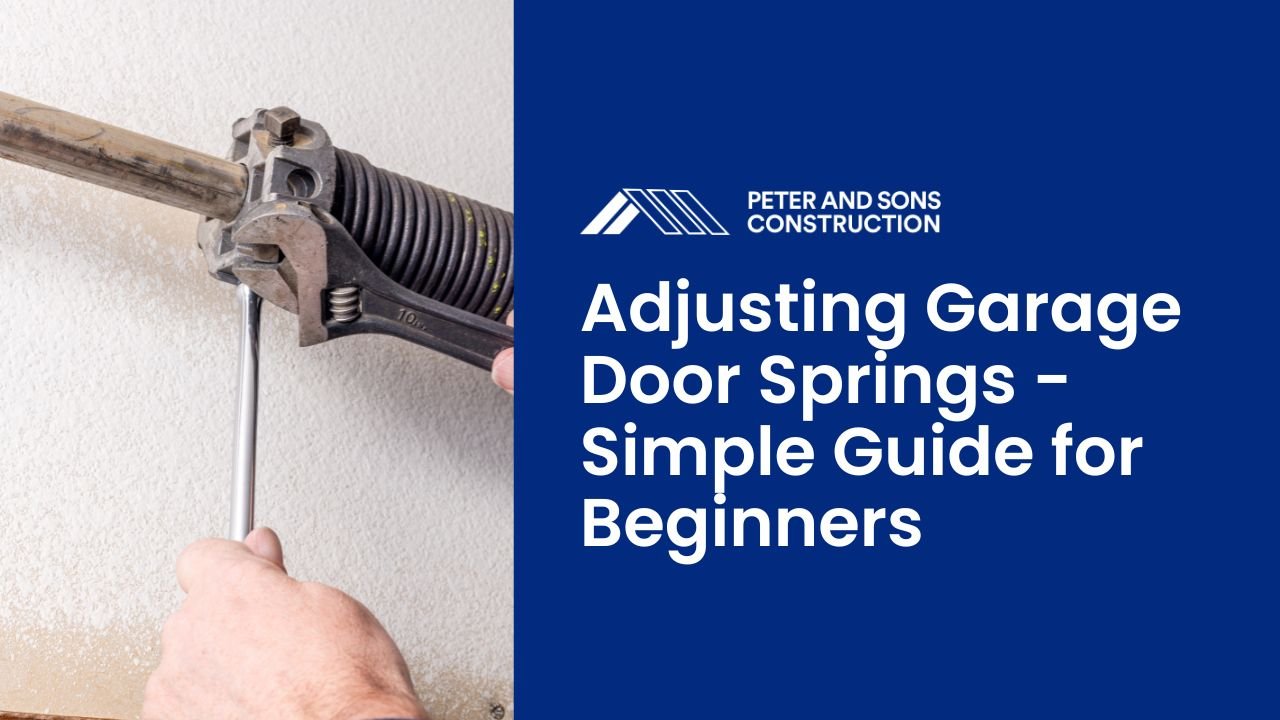
The task of adjusting garage door springs might sound daunting at first, but it’s a process that can be tackled with the right tools, a bit of know-how, and a healthy dose of caution.

In this blog, we’re diving into the world of garage door maintenance, specifically focusing on how to adjust garage door springs. This guide aims to demystify the process, making it accessible and straightforward for anyone looking to give their garage door a little TLC.

First off, it’s important to understand that garage door springs play a crucial role in the smooth operation of your garage door. They balance the door’s weight, making it easy to open and close, either manually or with the assistance of a garage door opener.

Over time, however, springs can wear out or lose tension, leading to a door that’s difficult to operate or, in some cases, completely stuck. That’s where adjusting comes into play.

Safety First

Before we get into the nuts and bolts of how to adjust garage door springs, let’s talk safety.

Adjusting garage door springs can be dangerous due to the high tension they’re under. If not handled properly, they can cause serious injury.

Always wear protective gear, like gloves and safety glasses, and if at any point you feel out of your depth, don’t hesitate to call a professional.

Types of Garage Door Springs

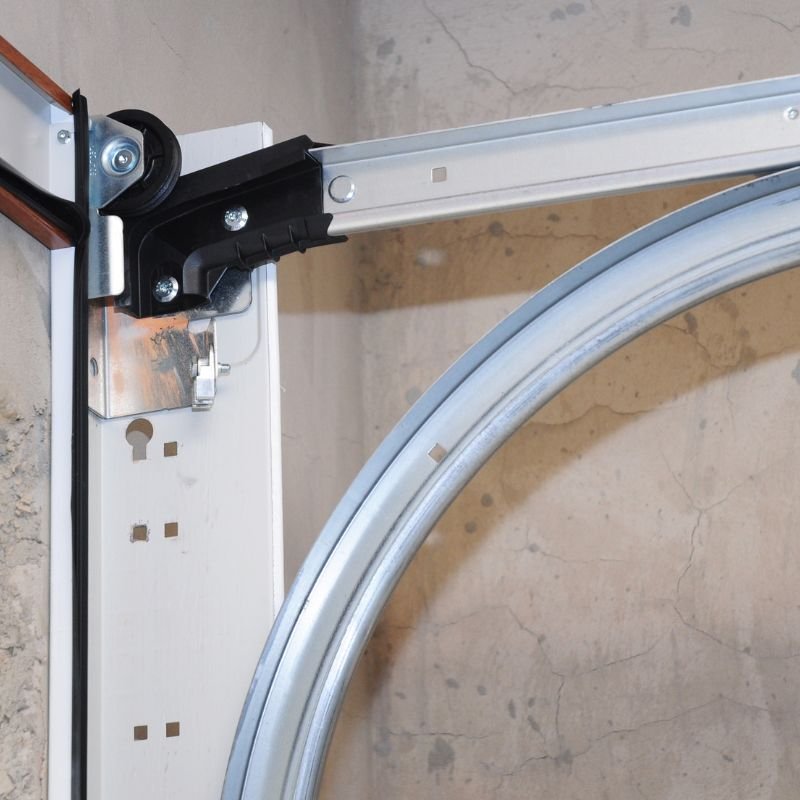
There are two main types of garage door springs: torsion springs and extension springs. Torsion springs are located above the garage door, while extension springs run along the sides of the door.

The adjustment process varies slightly between the two, so it’s crucial to identify which type you’re working with.

Adjusting Torsion Springs

To adjust torsion springs, follow these steps:

Secure the Door: Close the garage door and clamp locking pliers onto the track on both sides to prevent the door from popping open during adjustment.

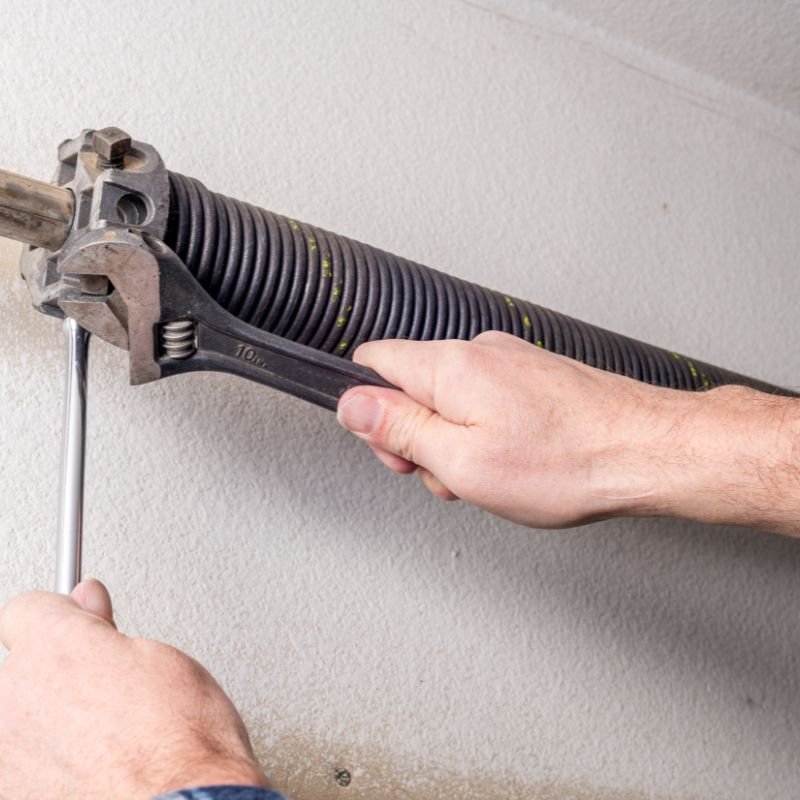
Find the Winding Cone: Look for the winding cone at the end of the spring. This is where you’ll make the adjustments.

Adjusting Garage Door Springs - Simple Guide for Beginners (1)

Loosen the Set Screws: Using a winding bar, carefully loosen the set screws on the winding cone. Always insert the bar fully and hold it firmly, as the spring will exert force once the screws are loosened.

Adjust the Tension: Insert a second winding bar into the next hole down as you remove the first bar, then add or remove tension. If your door is closing too quickly, you’ll want to decrease the tension. If it was opening too quickly or difficult to lift, increase the tension.

Tighten the Set Screws: Once the desired tension is achieved, tighten the set screws back into place while holding the winding bar in the cone.

Adjusting Torsion Springs

If you have extension springs, here’s how to adjust them:

Open the Door: Fully open the garage door and secure it by placing clamps on the tracks. This takes the tension off the springs.

Secure the Springs: Disconnect the spring from the track bracket and the safety cable.

Adjust the Spring Hook: Move the spring hook to a different hole on the door track to either increase or decrease tension.

Reconnect and Test: Once adjusted, reconnect the spring and safety cable, remove the clamps, and test the door’s movement.

Adjusting Garage Door Springs - Simple Guide for Beginners (1)

Final Checks

After adjusting your garage door springs, it’s crucial to perform some final checks. Open and close the door a few times to ensure it moves smoothly and stays in place when left halfway open.

This indicates that the springs are properly balanced. If the door continues to have issues, you may need to fine-tune your adjustments or consult a professional for further assistance.

Why Your Garage Door Springs May Require Adjustment

As highlighted by Today’s Homeowner, a trusted home improvement resource, one of the factors that can cause a door to become unbalanced is when the spring system provides either too much or not enough lifting force.

Adjusting your garage door springs is crucial for maintaining a well-balanced and smoothly functioning door.

There are several reasons why you might need to adjust your garage door springs:

Spring System Force – one of the factors that can cause a door to become unbalanced is when the spring system provides either too much or not enough lifting force.
In a perfect installation, the spring system will provide precisely the same upward force as gravity provides downward, allowing the door to stay put regardless of where the door is stopped.

Age and Wear – the first probable cause of unbalanced doors is age and wear to one or more of the components. The parts involved in a spring system have a limited lifespan and will eventually begin to fail. This is primarily due to the stretching of the spring and cable(s) during use.

Improper Installation – the second cause, although less likely, is improper installation. Most new homes will have professionally installed garage doors, so chances are very good the doors will be balanced.

Changes in Door Weight – spring adjustment may be needed when your garage door changes its weight. Your door may change its weight when you insulate it, add decorations, or insert windows. All these actions may require you to readjust garage door springs.

Properly adjusting your garage door springs helps ensure that the spring system provides the right amount of lifting force to counteract gravity, keeping your door balanced and in place at any position.

Choosing the Right Professional for Your Garage Door Needs

Learning how to adjust garage door springs can save you time and money, not to mention the satisfaction that comes with DIY home maintenance.

However, always prioritize safety and recognize when a task exceeds your comfort level or expertise. Adjusting garage door springs involves significant risk due to the high tension they operate under, and mistakes can lead to injury or further damage to your garage door system.

If at any point during your adjustment process, you feel unsure or encounter complications, it’s crucial to step back and seek professional help.

For reliable and expert service, consider reaching out to professionals like Peter and Sons Construction. With years of experience and a commitment to safety and quality, they can ensure that your garage door is adjusted properly, functions smoothly, and remains safe to use.

Contact us today for your free quote and rest easy knowing your garage door is in expert hands.

You might like these
Expert Tips on How to Tighten Garage Door Springs Safely

Expert Tips on How to Tighten Garage Door Springs Safely

Expert Tips on How to Tighten Garage Door Springs Safely

If you’ve ever struggled with your garage door not operating as smoothly as it should, it might be time to explore a simple solution – tightening the garage door springs. 

These springs play a pivotal role in the functionality of your garage door, and occasional adjustments can make a significant difference. 

In this blog, we’ll walk you through the process of how to tighten garage door springs, ensuring your garage door operates at its best.

Why Tighten Your Garage Door Springs?

Maintain Balance

One of the main reasons to tighten your garage door springs is to maintain the balance of the door. When the springs are loose, it can cause the door to become unbalanced, leading to uneven wear and tear on the door and its components.

Prevent Damage

Loose springs can also cause damage to other parts of your garage door system. For example, if the springs are not providing enough tension, it can put extra strain on the garage door opener, causing it to wear out prematurely.

Ensure Safety

Loose garage door springs can be dangerous. If they break or snap while the door is in motion, it can cause the door to fall suddenly, potentially injuring anyone or anything in its path.

How to Tighten Your Garage Door Springs

Gather Your Tools – You’ll need a few tools for this job, including a pair of vice grips, a winding bar, and a ladder.

Locate the Springs – The first step is to locate the springs. They are usually located above the garage door and will be either torsion springs or extension springs.

Secure the Door – Before you start working on the springs, make sure the door is closed and secured in place.

Release the Tension – Using the winding bar, slowly release the tension from the springs. This will make it easier to tighten them later.

Tighten the Springs – Using the vice grips, grip the spring and turn it in the direction needed to tighten it. Be careful not to over-tighten the spring, as this can cause it to break.

Test the Door – Once you’ve tightened the springs, test the door to make sure it opens and closes smoothly.

Adjust as Needed – If the door is still not balanced, you may need to make further adjustments to the springs.

Secure the Springs – Once you’re satisfied with the tension, secure the springs in place.

Proper Maintenance Tips

Regular maintenance can prolong the lifespan of your garage door springs and alert you when they are close to failure.

Here are some tips:

  • Lubricate the springs with silicone or oil-based spray or grease about four times a year.
  • Check the garage door balance at least yearly.
  • If your garage door springs are showing signs of rust or corrosion, spray them with CRC or a similar product and give them a good wipe-down. Use a silicone-based lubricant regularly.

Keeping Your Garage Door Springs in Top Shape

Knowing how to tighten garage door springs can be a handy skill, saving you time and possibly even money. But it’s not without its risks. Always prioritize safety, double-check your work, and remember – if the task seems too daunting, or if you run into issues, professional help is just a call away. 

In fact, for those not quite ready to tackle this project solo, reaching out to experts like Peter and Sons Construction can provide peace of mind, ensuring your garage door is safely and effectively adjusted.

Contact us today to get a free quote and hassle-free garage door maintenance. 

You might like these

Troubleshooting and Bypassing Garage Door Sensors

Troubleshooting and Bypassing Garage Door Sensors

Troubleshooting and Bypassing Garage Door Sensors

Many homeowners may find themselves in a situation where they need to bypass their garage door sensors. 

Whether it’s due to a malfunction or a temporary need, knowing how to safely bypass these sensors can be helpful.

In this guide, we’ll walk you through the steps on how to bypass garage door sensors safely and effectively.

Before we begin, it’s important to note that bypassing your garage door sensors should only be done temporarily and for specific reasons. It’s always best to address any sensor issues promptly to ensure the safety and functionality of your garage door system.

Steps to Bypass Your Garage Door Sensors

Locate the sensors – The sensors are usually located near the bottom of the garage door tracks, on both sides. They are small devices that transmit signals to each other to detect obstructions in the door’s path.

Identify the sensor wires – The sensor wires are typically connected to the garage door opener motor. You’ll need to locate these wires to bypass the sensors.

Disconnect the sensor wires – Carefully disconnect the sensor wires from the garage door opener motor. You may need to use a screwdriver to loosen the screws holding the wires in place.

Twist the sensor wires together – Once the sensor wires are disconnected, twist them together to create a continuous connection. This will bypass the sensors and allow the garage door to operate without obstruction detection.

Test the garage door – After bypassing the sensors, test the garage door to ensure it opens and closes smoothly. If there are any issues, double-check the sensor wire connections and make sure they are securely twisted together.

Reconnect the sensor wires – Once you no longer need to bypass the sensors, reconnect the sensor wires to their original positions on the garage door opener motor. Make sure the connections are secure to prevent any issues with the sensors in the future.

How to Know If Your Garage Door Sensors Are Bad


If you suspect that your garage door sensors may be faulty, there are several signs and checks you can perform to determine if they are indeed the issue. Here’s how to know if your garage door sensors are bad:

Visual Inspection:

  • Check the alignment of the sensors. They are usually mounted on each side of the garage door, near the floor.
  • Ensure that both sensors are facing each other and that there is no obstruction blocking the sensor’s path.
Troubleshooting and Bypassing Garage Door Sensors (1)

Indicator Lights:

  • Most garage door sensors have indicator lights. If the sensors are working correctly, both lights should be solid or blinking in sync. If one or both lights are off or flickering irregularly, it could indicate a problem.

Obstruction Test:

  • Close the garage door and intentionally place an object, like a small box or a piece of cardboard, in the path of the closing door.
  • If the sensors are working correctly, the garage door should stop and reverse when it detects the obstruction. If it doesn’t, the sensors may be faulty.

Cleaning:

  • Dust, dirt, or spider webs can accumulate on the sensors and interfere with their operation. Clean the sensors with a soft, dry cloth and ensure there is no debris blocking the sensors.

Check Wiring:

  • Inspect the wiring connecting the sensors to the garage door opener. Look for any loose or damaged wires. Make sure the connections are secure.

Power Supply:

  • Ensure that the sensors are receiving power. Check if they are properly connected to the electrical outlet or if the batteries (if applicable) are in good condition.

Replace Batteries (if applicable):

If your sensors are battery-powered, replace the batteries and check if it resolves the issue.

Test Mode:

  • Some garage door openers have a test mode that allows you to check the functionality of the sensors. Consult your garage door opener manual for instructions on how to activate test mode.

Choosing the Right Color for Your Steel Garage Door

Selecting the perfect color for your steel garage door is a crucial decision that impacts your home’s overall look. 

While classic options like black, white, or beige are popular, it’s vital to choose a color that aligns with your style and blends well with your home.

To find many color ideas for your garage door, check out HouseTrick. It gives useful tips on picking the right paint for a metal garage door, making sure the color matches your home’s overall look.

Troubleshooting and Bypassing Garage Door Sensors (2)

Safety Precautions Are Key

Knowing how to bypass garage door sensors can be helpful in situations where a malfunction occurs, but it should be done with the understanding that these safety features are in place for a reason.

For comprehensive garage door installation, service, and repair, homeowners can rely on the expertise of Peter and Sons Construction. With a commitment to quality and years of experience, we ensure that your garage door operates seamlessly and safely.

Contact Peter and Sons Construction today for all your garage door needs. Remember, safety should always be the top priority when dealing with garage door systems.

You might like these

sabung ayam online

sv388

mix parlay sbobet

live casino online

slot gacor online

TOTO 4D/

TOTO 4D

judi bola

sabung ayam online

situs sabung ayam

sabung ayam online

live casino online

sv388

bettingam

live casino online

scatter hitam

sv388

sbobet88

scatter hitam

scatter hitam

slot online

TOTO 4D

scatter hitam

sbobet88

sv388

casino online

live casino online

zeus slot

slot gacor online

casino online

judi bola online

sv388

sv388

sbobet88

casino online

scatter hitam

server thailand

mikitoto

pintuplay

slot thailand

slot server thailand

slot777

garuda69

sbobet88

sv388

togel hongkong

mahjong ways 2

Mahjong ways 2

sv388

casino online

BESTTOGEL

BESTTOGEL

scatter hitam

casino online

sabung ayam online

judi bola online

live casino online

mahjong ways

hk pools

Mahjong Ways 2 Mendadak Gacor ! Pola Scatter Cepat Ini Lagi Ramai Dipakai

baristabogota.com

buffetbogota.com

cateringeventos.com

cattleyaeventos.com

cocoaeventos.com

coctelesyeventos.com

daiquiricocktailbar.com

elgranbartender.com

elianahernandez.com.co

escortsenbogota.com

fiestadematrimonio.com

fiestasdematrimonio.com

gigolosenbogota.com

grupoempresarialbaen.com

justmarried.com.co

limopartybogota.com

luxuryeventos.com.co

panelaorganica.com.co

pijamasbogota.com

sexshopcolombia.com.co

sextourbogota.com

showsbogota.com

siluetasytonos.com

simondice.com.co

sipirili.com.co

stripperbogota.com

swingerpartybogota.com

uniformesbogota.com

weddingcolombia.com.co

xn--fiestasde15aos-1nb.com

centro-occidente.coneicc.org.mx

mancomunidad.org

ccfdchildcare.com

www.sasrourissol.fr

www.loucaloun.fr

luxuryeventos.com.co

biopreventative.com

www.beton-cire-13.fr

qhiresolutions.com

cptrekking.com.br

bullandbeartravels.co.tz

cattleyaeventos.com

ablaw.vn

www.mishofamarwah.sch.id

grupoempresarialbaen.com

sherleyskin.com

www.adnmart.com

algnutrastore.com

anigeouscosmetics.com

aqua-dotterel-346593.hostingersite.com

bariahouselifting.com

blazeremedies.in

friendspackermovers.com

gravityprints.com

herbalpowerindia.com

homeheartindia.com

kalanishtha.com

kanhapolyfab.com

muzaffarpurgaushala.org

myratrendz.com

northpackindia.com

orchiddecorcrafts.com

orientaltrimex.com

rainurail.com

royalblue-antelope-713279.hostingersite.com

sharprintech.com

thathardwarestore.com

xtronindia.com