10 Reasons You Might Need Emergency Garage Door Service

Emergency Garage Door Service

10 Reasons You Might Need Emergency Garage Door Service

A garage door is an essential part of your home, providing security and convenience. 

However, it can be quite frustrating when your garage door suddenly malfunctions, leaving you in a bind. 

Emergency garage door service can save you from a lot of stress and potential security issues. 

Here are the top 10 reasons you might need this service.

1. Door Won't Open or Close

One of the most common issues homeowners face is a garage door won’t open or close. This problem can be caused by a variety of issues, including a malfunctioning opener, broken springs, or an obstruction in the tracks. 

When your garage door is stuck, it not only disrupts your routine but also poses a security risk. Emergency garage door service can quickly diagnose and fix the problem, restoring your peace of mind.

2. Broken Springs

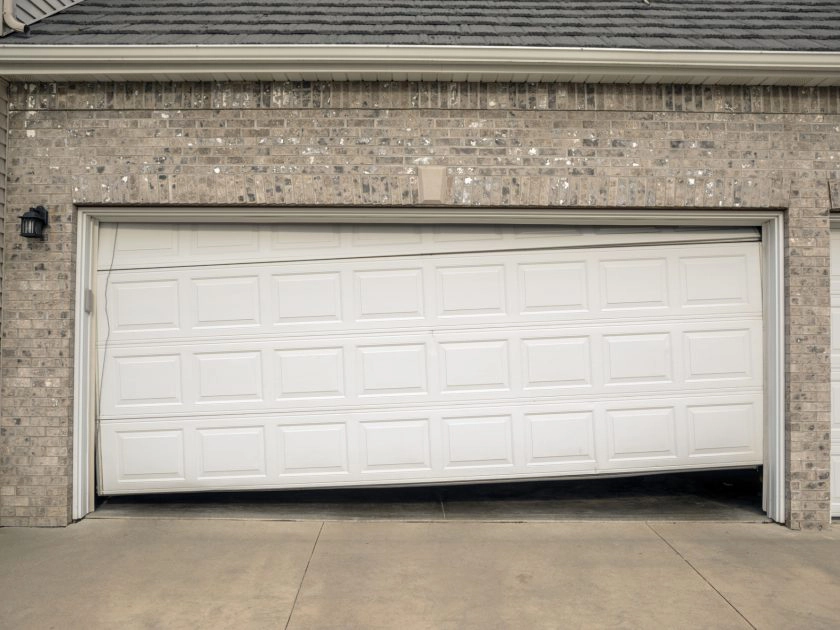
Garage door springs are under a lot of tension and can break unexpectedly. When a spring breaks, it can cause the door to become unbalanced and difficult to operate. 

Broken springs are dangerous to handle without proper tools and knowledge. A professional emergency garage door service can replace the springs safely and efficiently, ensuring your door operates smoothly again.

3. Damaged Panels

Accidents happen, and sometimes they involve your garage door. Whether it’s a car backing into the door or severe weather causing damage, a dented or broken panel not only looks unsightly but can also compromise the door’s structural integrity. 

Emergency garage door service can replace damaged panels quickly, maintaining the security and appearance of your home.

4. Misaligned Tracks

Over time, the tracks that guide your garage door can become misaligned due to regular use or accidental impacts. When tracks are not properly aligned, your garage door may not open or close smoothly, or it could become stuck. 

5. Faulty Garage Door Opener

The garage door opener is the heart of your garage door system. If it malfunctions, your door may not open or close at all. 

Common issues with openers include electrical problems, worn-out gears, or remote control failures. Emergency garage door service can quickly identify and repair opener issues, getting your door back in working order.

6. Weather Damage

Extreme weather conditions such as storms, heavy winds, or hail can cause significant damage to your garage door. 

From dents and scratches to more severe structural damage, weather-related issues can compromise your door’s functionality and security. Emergency garage door service can address weather damage promptly, preventing further deterioration.

7. Safety Sensor Problems

Modern garage doors are equipped with safety sensors that prevent the door from closing if an object is detected in its path. These sensors can sometimes malfunction, causing the door to reverse unexpectedly or not close at all. 

An emergency service technician can troubleshoot and fix sensor issues, ensuring your door

8. Broken Cables

Over time, the tracks that guide your garage door can become misaligned due to regular use or accidental impacts. When tracks are not properly aligned, your garage door may not open or close smoothly, or it could become stuck. 

9. Remote Control Malfunctions

If your garage door remote control stops working, it can be a major inconvenience. The problem could be as simple as a dead battery or as complex as a wiring issue within the opener. 

Emergency garage door service can diagnose remote control problems and provide a quick fix, ensuring you can access your garage without hassle.

10. Routine Maintenance Needs

Sometimes, the need for emergency garage door service arises from a lack of routine maintenance. Regular inspections and tune-ups can prevent many common issues, but if maintenance has been neglected, problems can develop suddenly. 

Emergency service can address these urgent maintenance needs, prolonging the life of your garage door and preventing future issues.

Reliable Help When You Need It Most

When you encounter issues with your garage door, timely and professional assistance is crucial. 

Peter & Sons offer expert emergency garage door service to address any of these common problems quickly and efficiently. Our skilled technicians are equipped to handle a variety of garage door issues, ensuring your door is back in working order as soon as possible.

Peter & Sons provide 24/7 emergency services, quick response times, and comprehensive repairs. 

We also offer routine maintenance packages to help prevent future problems, using high-quality parts and the latest technology to ensure reliable and lasting solutions. 

For more information about their services, visit their website at Peter & Sons.

You might like these
Emergency Garage Door Release: How to Use It Safely

Emergency Garage Doors

Emergency Garage Door Release: How to Use It Safely

When the power goes out or your garage door opener malfunctions, knowing how to use the emergency garage door release can be a lifesaver. 

This simple mechanism allows you to manually open and close your garage door, ensuring you can always access your vehicle or belongings inside.

 In this guide, we’ll walk you through the steps of using the emergency garage door release so that you’re prepared for any situation.

Emergency Release Mechanism

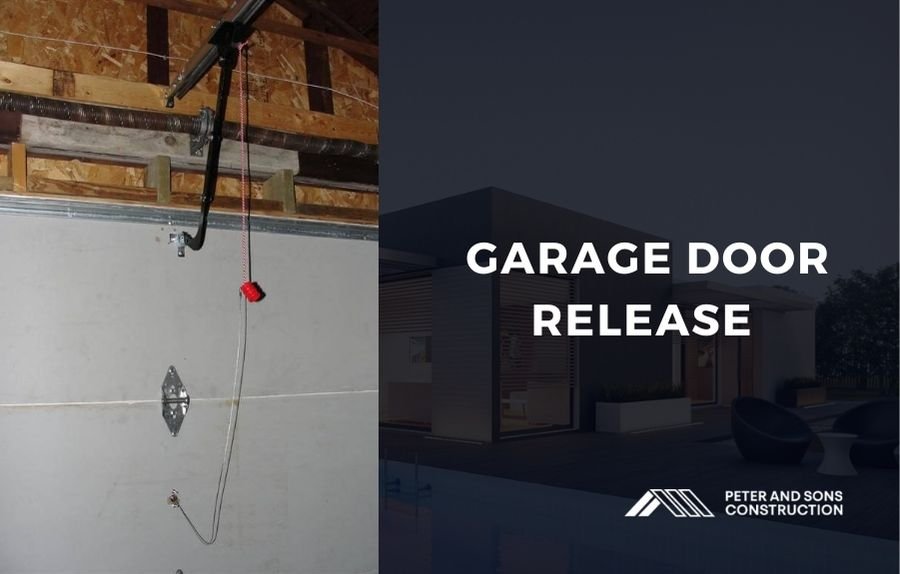
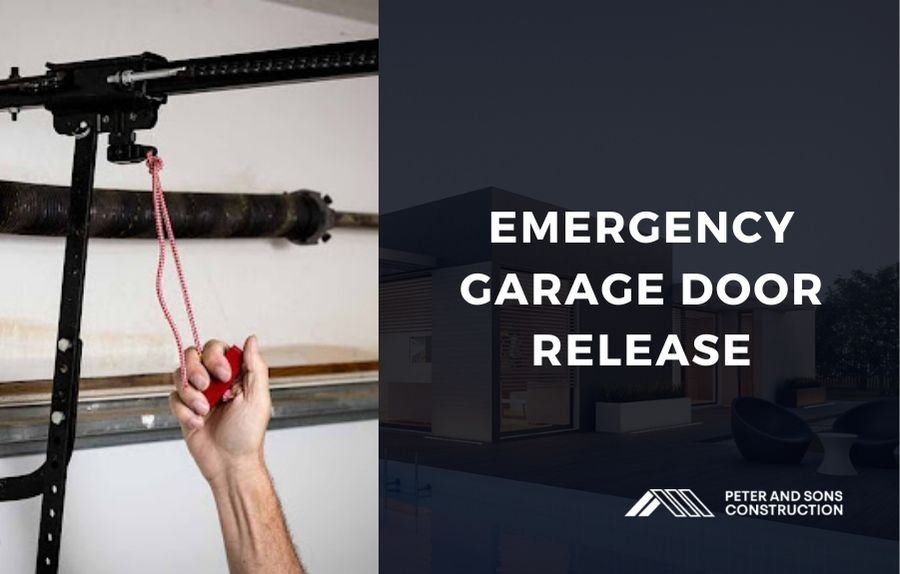
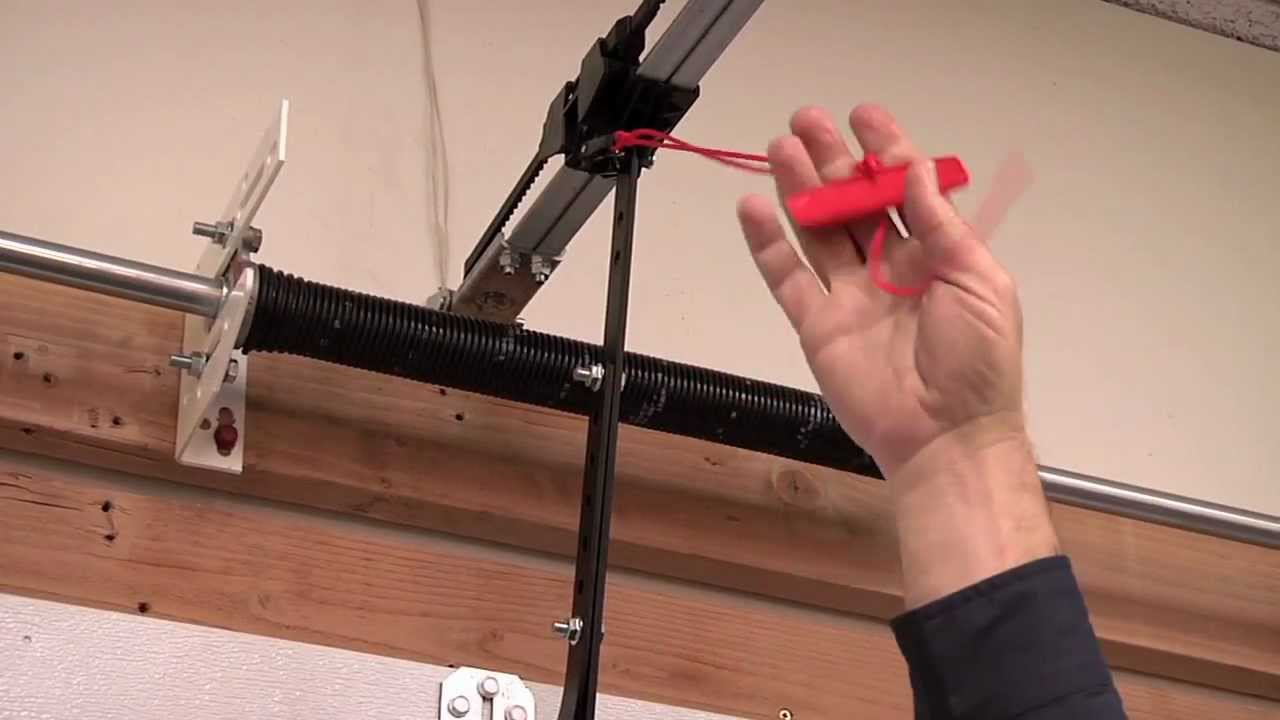
It’s crucial to understand what the emergency garage door release is. This release mechanism is typically a red cord hanging from your garage door opener rail

It’s designed to disengage the garage door from the opener, allowing you to operate the door manually.

Step-by-Step Guide on How to Use the Emergency Garage Door Release

Ensure Safety First

Safety is always the top priority. Make sure your garage door is fully closed before using the emergency release. If the door is partially open, it could fall when disengaged, posing a serious risk.

Locate the Emergency Release Cord

The emergency release cord is usually red and hangs from the opener rail. It should be easily accessible and visible.

Pull the Cord

Firmly pull the emergency release cord down. This action will disengage the door from the garage door opener, allowing you to operate the door manually.

Manually Lift the Door

Once the door is disengaged, you can lift it manually. Use both hands and lift the door evenly to avoid any damage. Be cautious as garage doors can be heavy.

Secure the Door in Place

If you need to keep the door open, ensure it’s secure and won’t fall. You can use a clamp on the tracks to hold it in place.

Re-engage the Garage Door Opener

Re-engage the Garage Door Opener After resolving the power issue or fixing the malfunction, you’ll need to re-engage the opener. Pull the emergency release cord again and manually move the door until it locks back into place with the opener.

Tips for Using the Emergency Garage Door Release

  • Regular Maintenance – Regularly check the emergency release cord to ensure it’s in good condition and not frayed or damaged.
  • Practice Safety – Always ensure the area around the door is clear of people and objects before using the emergency release.
  • Seek Professional Help – If you’re unsure or uncomfortable performing these steps, contact a professional for assistance.

Conclusion

How to use the emergency garage door release is an essential skill for every homeowner. It ensures you can always access your garage, even in the event of a power outage or mechanical failure. 

When following the steps outlined above, you can safely and effectively use this feature.

For those looking to enhance their garage with high-quality products and expert services, here at Peter and Sons Construction offers a range of solutions tailored to meet your needs. 

From sturdy garage doors to reliable openers, our services ensure your garage is always functional and secure.

You might like these

Reattach Garage Door Pull: Step-by-Step Guide

Reattach-Garage-Door-Pull

Reattach Garage Door Pull: Step-by-Step Guide

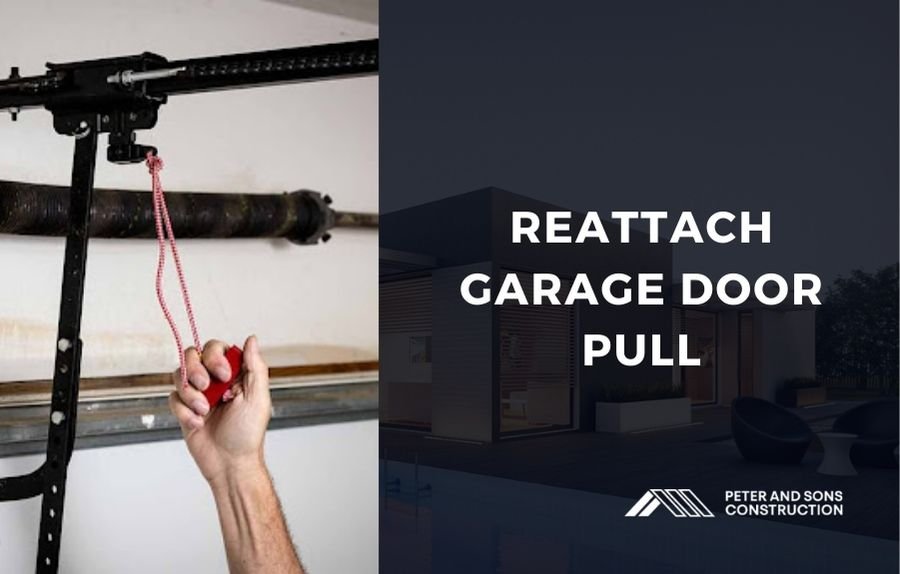
Reattaching the garage door emergency pull is essential for ensuring your garage door operates smoothly and safely. This task might seem daunting, but with the right guidance, you can do it efficiently. In this article, we will walk you through the process of reattaching your garage door emergency pull, ensuring you have all the necessary information to complete the job successfully.

Understanding the Garage Door Emergency Pull

The garage door emergency pull is a crucial safety feature that allows you to manually operate your garage door during power outages or malfunctions. Familiarizing yourself with its function and location can help you handle emergencies effectively.

Importance of the Emergency Pull

  • Manual Operation: Allows you to open and close the garage door manually.
  • Safety: Essential during power failures or garage door malfunctions.
  • Convenience: Provides an alternative method to operate the door when the automatic system fails.

Tools Needed for the Job

Before starting, gather the necessary tools to reattach the garage door emergency pull:

  • Adjustable Wrench
  • Screwdriver Set
  • Pliers
  • Lubricant

Steps to Reattach the Garage Door Emergency Pull

Follow these steps to ensure your garage door emergency pull is reattached correctly and safely:

Step 1: Disconnect the Garage Door Opener

  • Safety First: Unplug the garage door opener to prevent accidental activation.
  • Locate the Emergency Release Cord: Find the red cord hanging from the garage door trolley.

Step 2: Reattach the Emergency Pull

  • Check the Latch: Ensure the latch mechanism is in the correct position.
  • Insert the Cord: Thread the emergency pull cord through the latch mechanism.
  • Secure the Cord: Use pliers to ensure the cord is tightly secured in place.

Step 3: Test the Emergency Pull

  • Manual Operation: Pull the cord to disengage the trolley from the opener.
  • Re-engage the Opener: Pull the cord again to reattach the trolley to the opener.

Common Issues and Solutions

Even with careful reattachment, you might encounter some issues. Here are common problems and their solutions:

The Emergency Pull Doesn't Disengage

  • Check the Cord: Ensure it is not tangled or caught on any parts.
  • Inspect the Latch: Verify the latch mechanism is functioning properly.

The Door Doesn't Re-engage

  • Realign the Trolley: Make sure the trolley is aligned correctly with the opener.
  • Lubricate the Mechanism: Use a lubricant to ensure smooth operation.

Maintenance Tips for Your Garage Door

  • Regular maintenance can prevent issues with your garage door emergency pull:

    • Regular Inspection: Check the emergency pull and latch mechanism monthly.
    • Lubrication: Apply lubricant to moving parts to ensure smooth operation.
    • Professional Check-Up: Have a professional inspect your garage door annually.

Conclusion: Ensure Safety with Peter&Sons

Knowing how to reattach the garage door emergency pull ensures that you can operate your garage door manually during emergencies. Follow the steps outlined in this guide to maintain the safety and functionality of your garage door.

For professional assistance and regular maintenance, contact Peter&Sons. Our expert technicians can handle all your garage door needs, ensuring your door operates safely and efficiently. Schedule a consultation today and keep your garage door in top condition!

You might like these

Garage Door Emergency Fix: How to Repair After Pulling the Cord

Garage Door Emergency Fix

How to Fix Garage Door After Pulling Emergency Cord

Have you ever been in a situation where you pulled the emergency cord on your garage door and then couldn’t get it to work automatically again? 

This is a common issue that many homeowners face, but fortunately, it’s a fixable one. 

Knowing how to fix a garage door after pulling the emergency cord can save you a lot of hassle. 

This guide will provide you with clear, step-by-step instructions to reattach your garage door to the opener, ensuring that it operates smoothly once more.

Emergency Cord – A Safety Feature Design

The emergency cord on your garage door opener is a safety feature designed to disconnect the door from the opener, allowing you to manually open or close the door during a power outage or mechanical failure. 

While this is a useful feature, it can be confusing to know what to do once the emergency is over and you need your door to function automatically again.

When you know how the emergency release mechanism works and following some straightforward steps, you can restore your garage door’s functionality. Even if it’s due to a power outage, mechanical failure, or simply a misstep, using the emergency cord is often necessary. 

In this guide, we’ll walk you through everything you need to know about how to fix a garage door after pulling the emergency cord.

What is the Emergency Cord?

The emergency cord is a red rope hanging from the garage door opener’s trolley. 

Pulling this cord disconnects the trolley from the opener, allowing you to operate the door manually. This feature is crucial during power outages or if the opener fails.

Step-by-Step Guide to Fixing the Garage Door

Step 1. Ensure Safety First

Before you start, ensure the garage door is fully closed. If it’s not, close it manually. This prevents the door from falling while you’re working on it.

Step 2. Locate the Trolley and Emergency Cord

Find the trolley, the part that connects to the emergency cord. The trolley has a release mechanism that the cord activates when pulled. 

This mechanism must be reset to reconnect the door to the opener.

Step 3. Align the Trolley

To reconnect the trolley to the opener, first, ensure the trolley is aligned correctly. 

It should be in a position where it can easily catch onto the opener arm when re-engaged.

Step 4. Reconnect the Trolley

Here’s the core step of how to fix the garage door after pulling the emergency cord:

  • Pull the emergency cord down and towards the door.
  • This action will move the trolley back into the correct position.
  • Once the trolley is aligned, you can reconnect it to the opener arm. This often happens automatically when you run the opener.

Step 5. Test the Garage Door Opener

After reconnecting the trolley, test the garage door opener. Press the button on your remote or wall control. 

The opener should engage the trolley and lift the door. If it doesn’t, check the alignment and repeat the previous steps.

Troubleshooting Common Issues

The Trolley Doesn’t Reconnect

If the trolley doesn’t reconnect automatically, you may need to manually move it into place. 

Pull the emergency cord again to disengage, then move the trolley closer to the opener arm and try reconnecting.

The Door Doesn’t Close Evenly

After reconnecting, if the door doesn’t close evenly, it might be off-track. Check the tracks and rollers for obstructions and ensure everything is aligned.

Opener Makes Noise but Doesn’t Move the Door

If the opener makes noise but the door doesn’t move, the trolley might not be fully engaged. Pull the emergency cord to disengage, then reconnect it again, ensuring it catches properly.

Preventing Future Issues

Knowing how to fix your garage door after pulling the emergency cord is handy, but preventing problems is even better. Regular maintenance can keep your garage door operating smoothly:

  • Lubricate the tracks, rollers, and hinges regularly.
  • Check for loose bolts and tighten them as needed.
  • Test the emergency cord periodically to ensure it functions correctly.
garage door fix

Ensuring Smooth Operation

Fixing a garage door after pulling the emergency cord is a straightforward process that requires a bit of patience and attention to detail. 

When following the steps outlined above, you can quickly get your garage door back in working order.

If you encounter persistent issues or prefer professional assistance, consider our services offered at Peter and Sons Construction. 

We provide reliable solutions for garage door maintenance and repair, ensuring your door operates smoothly and safely.

You might like these

How to Use Garage Door Release?

Garage Door Release

How to Use Garage Door Release?

The garage door release is an essential feature for every homeowner, offering a reliable backup mechanism when your automatic opener fails. 

In situations such as a power outage or a malfunctioning opener, knowing how to use the garage door release becomes invaluable. It allows you to bypass the automatic system and manually operate the door, ensuring continuous access to your garage. 

Properly utilizing this feature can save you both time and stress, preventing potential security issues or the inconvenience of being locked out. 

This blog will walk you through the step-by-step process so you can effectively operate your garage door manually whenever the need arises.

Understanding the Garage Door Release Mechanism

It is important to understand what the garage door release mechanism is and why it’s crucial. Typically, this mechanism consists of a cord with a red handle, which disengages the door from the opener, allowing you to open or close it manually. 

This is especially useful during power outages or if your garage door opener malfunctions.

Steps to Use the Garage Door Release

Step 1 - Ensure Safety First

Safety should always be your top priority. Before you start, make sure the garage door is fully closed. 

If the door is partially open, it could slam shut when the release is pulled, causing injury or damage.

Step 2 - Locate the Emergency Release Cord

Inside your garage, look for a red cord hanging from the track of the garage door opener. This is the emergency release cord. 

It’s typically near the top of the garage door and connected to the trolley.

Step 3 - Pull the Emergency Release Cord

Firmly grasp the red handle and pull it down. This action disengages the trolley from the opener carriage, allowing you to operate the door manually. 

You’ll hear a click or a clunk sound when the mechanism releases.

Step 4 - Manually Lift the Garage Door

Once the door is disengaged, you can lift it manually. Stand with your feet shoulder-width apart, grip the door firmly, and lift it using your legs to avoid straining your back. 

The door should move smoothly along the tracks. If it feels heavy or difficult to move, there may be an issue with the door springs or tracks.

Step 5 - Re-engage the Garage Door Opener

After you’ve manually opened or closed the door and you want to re-engage the automatic opener, pull the emergency release cord toward the door. 

This action will reattach the trolley to the opener carriage. Alternatively, you can also press the garage door opener button, which will cause the trolley to reconnect automatically when it moves.

Troubleshooting Common Issues

Even with a clear understanding of how to use the garage door release, you might encounter some common issues. Here are a few tips to troubleshoot them:

The Door Won't Open Manually

If the door is difficult to open manually, it could be due to a broken spring or an obstruction in the track. Inspect the springs and tracks for any visible issues.

The Release Cord is Missing or Damaged

If the emergency release cord is missing or damaged, you’ll need to replace it. Most home improvement stores carry these cords, and they’re relatively easy to install.

Re-engaging the Opener Fails

If the opener doesn’t re-engage, make sure the cord was pulled correctly toward the door. If it still doesn’t work, you might need to reset the opener or check for any mechanical issues.

When to Call a Professional

While knowing how to use garage door release is helpful, there are times when it’s best to call a professional. 

If your garage door doesn’t move smoothly, makes strange noises, or the release mechanism doesn’t function properly, a professional technician can diagnose and fix the problem. 

Regular maintenance by a professional can also prevent many of these issues, ensuring your garage door operates smoothly and safely.

Keeping Your Garage Door Functional and Reliable

Understanding how to use garage door release is essential for any homeowner. It provides peace of mind, knowing you can manually operate your garage door during an emergency. 

However, if you encounter any issues or need professional maintenance, don’t hesitate to contact experts like Peter and Sons. 

Their team is skilled in handling all types of garage door problems, ensuring your door remains in top condition. 

When you follow these simple steps, you can safely and effectively use your garage door release, keeping your home secure and functional even during unexpected power outages or technical issues.

You might like these

How to Reset Emergency Garage Door Release?

Emergency Garage Door Release

How to Reset Emergency Garage Door Release?

If you’ve ever had to use your garage door’s emergency release, you know how handy it can be. But after the emergency is over, it’s essential to reset it properly. 

Knowing how to reset the emergency garage door release ensures that your door operates smoothly and safely. 

Here’s a straightforward blog to help you with the process.

Understanding the Emergency Release

First, it’s helpful to understand what the emergency release is and why it’s there. The emergency release is a safety feature on most garage doors. 

It allows you to open or close the door manually if the automatic opener isn’t working. This can be a lifesaver during power outages or if the opener malfunctions. 

However, once you’ve used this feature, you’ll need to reset it to return the door to normal operation.

Step-by-Step Guide on How to Reset Emergency Garage Door Release

Ensure Safety First

Before you start, make sure the garage door is closed. This will prevent any accidents or injuries while you’re working on the door. 

If the door is open, close it manually by pulling the emergency release cord downward.

Locate the Emergency Release Cord

The emergency release cord is usually red and hangs from the garage door opener rail. This cord is what you pull to disconnect the door from the opener.

Re-Engage the Opener

To reset the emergency garage door release, you’ll need to re-engage the door with the automatic opener. There are a few methods to do this, depending on your specific garage door model:

  • Method 1: Pull the emergency release cord towards the door. This action should re-engage the door with the opener. You might hear a click, indicating that the connection has been restored.
  • Method 2: If pulling the cord doesn’t work, try running the garage door opener. Press the button on your remote or wall control to operate the door. The opener should connect to the door automatically.

Test the Door

Once you’ve re-engaged the opener, test the door to make sure it’s working correctly. Use the remote or wall control to open and close the door a few times. 

It should move smoothly without any hiccups.

Check the Manual Release Handle

Make sure the manual release handle is back in its original position. If it’s not, adjust it accordingly. The handle should be vertical, aligned with the opener rail.

Troubleshooting Tips

Check the Tracks

Ensure the garage door tracks are clear of any debris or obstructions. Sometimes dirt or objects can block the door’s path.

Inspect the Springs

The springs should be intact and not overly worn. If they look damaged, consider calling a professional for a repair.

Lubricate Moving Parts

A little lubrication on the hinges, rollers, and tracks can go a long way. This helps the door operate more smoothly.

When to Call a Professional

Sometimes, despite your best efforts, you might not be able to reset the emergency garage door release on your own. 

If you’re facing any of the following issues, it might be time to call a professional:

  • The door isn’t moving at all.
  • The door is making unusual noises.
  • The door is off its tracks.
  • You notice significant wear or damage to any parts.

Ensuring Your Garage Door Operates Smoothly

Learning how to reset the emergency garage door release is a useful skill that can save you time and hassle. Following these steps ensures your garage door is back to normal operation quickly. 

However, if you encounter any issues or feel unsure about the process, don’t hesitate to reach out to the experts.

At Peter and Sons Construction, they specialize in garage door repairs and maintenance. Their team is here to help with any problems you might face, ensuring your garage door works smoothly and safely.

Don’t let a stuck garage door ruin your day—give them a call for professional, reliable service.

You might like these

5 Signs Your Commercial Garage Door Weather Stripping Needs Replacement

commercial-garage-door-weather-stripping

5 Signs Your Commercial Garage Door Weather Stripping Needs Replacement

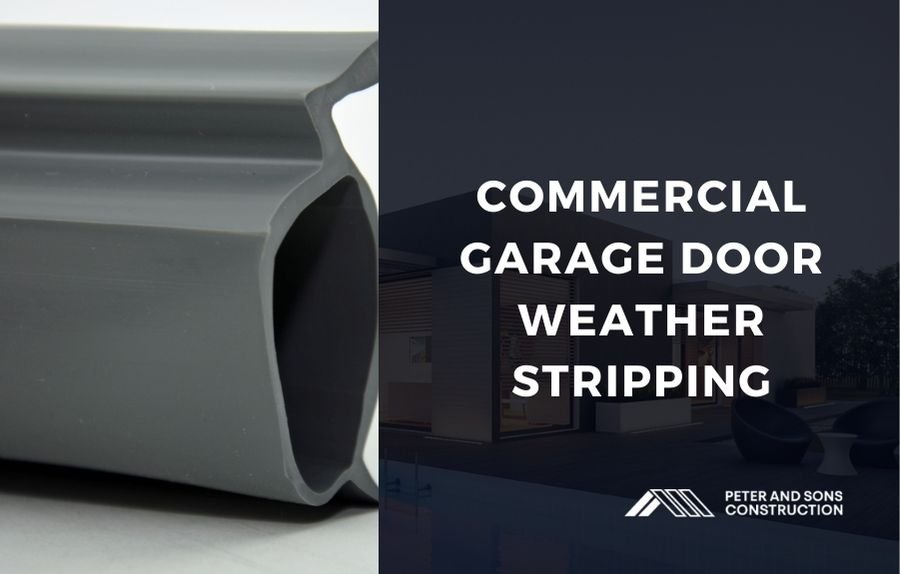
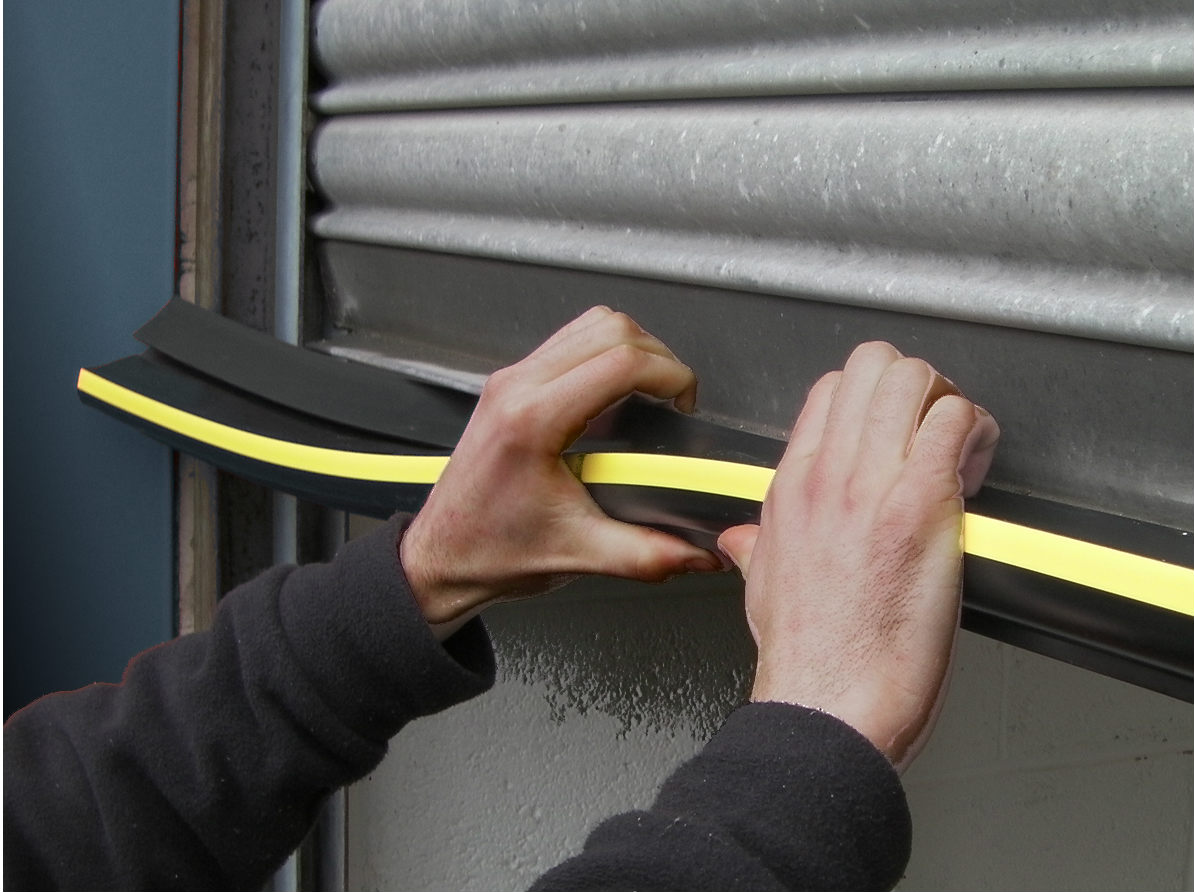
Your commercial garage door is essential in safeguarding your business from the elements. One critical component that is often neglected is the weather stripping

While it may seem inconsequential, weather stripping is vital for maintaining the integrity of your garage door’s seal. 

Here are five signs indicating that your commercial garage door weather stripping requires replacement.

1. Visible Cracks and Gaps

The most obvious sign that your weather stripping needs replacing is visible cracks and gaps. Over time, weather stripping can become brittle and start to crack. 

When this happens, it loses its ability to seal properly. If you notice any gaps or cracks, it’s time to replace the weather stripping.

Visible gaps can lead to energy loss as warm or cool air escapes, making your HVAC system work harder. 

This not only increases your energy bills but also reduces the comfort level inside your building.

2. Water Leaks

If you see water pooling inside your garage after it rains, your weather stripping might be to blame. Good weather stripping should keep water out. 

When it starts to fail, water can seep in, causing damage to your floor and anything stored in the garage. If you notice water leaks, inspect the weather stripping along the bottom of the door. If it’s worn or damaged, it’s time for a replacement.

Water damage can lead to mold and mildew, which are health hazards and can damage the structure of your building. Addressing this issue promptly can save you from costly repairs down the line.

3. Drafts

Drafts are a clear sign that your commercial garage door weather stripping is not doing its job. If you feel cold air coming through the bottom or sides of the door, the weather stripping is likely worn out. This can make it difficult to maintain a consistent temperature inside your garage, impacting both comfort and energy efficiency.

Drafts can also bring in dust, dirt, and pests, making your garage less clean and secure. Replacing the weather stripping will help seal out drafts and keep your garage well-insulated.

4. Increased Energy Bills

A sudden spike in your energy bills can be a sign that your weather stripping is no longer effective. When the weather stripping fails, it allows outside air to enter and conditioned air to escape. 

This forces your heating and cooling systems to work harder, increasing your energy consumption.

If you’ve noticed an increase in your energy bills without any other explanation, it might be time to check the weather stripping on your commercial garage door. 

Replacing it can help improve energy efficiency and reduce costs.

5. Difficulty Opening or Closing the Door

If your commercial garage door is harder to open or close, worn-out weather stripping could be the cause. When the weather stripping becomes old and brittle, it can create friction that makes the door stick. 

This not only affects the operation of the door but can also put extra strain on the opener.

Regularly check the weather stripping and ensure it’s in good condition. 

Replacing it when needed can keep your door operating smoothly and prevent wear and tear on the opener.

Time for a Weather Stripping Check-Up

Keeping an eye on your commercial garage door weather stripping is essential for maintaining a comfortable and efficient workspace. If you notice any of these signs, it’s time to replace the weather stripping to avoid further damage and expenses.

For professional help, Peter and Sons offer reliable services to ensure your commercial garage door is in top shape. 

Visit Peter and Sons for more information on how they can assist you with your garage door needs.

You might like these
How Wide and Tall is a Commercial Garage Door?

How Wide and Tall is a Commercial Garage Door?

How Wide and Tall is a Commercial Garage Door?

When planning for a new commercial building, one of the essential aspects to consider is the size of the garage doors. 

Getting the right size is crucial for ensuring that your business operations run smoothly, whether you’re accommodating large delivery trucks, heavy machinery, or multiple vehicles.

Standard Dimensions of Commercial Garage Doors

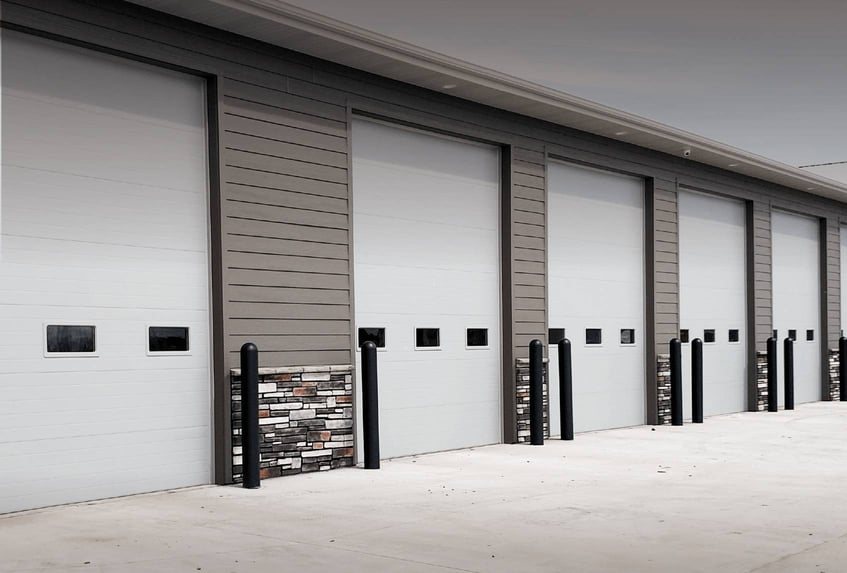
Commercial garage doors come in a variety of sizes to suit different needs. The most common widths for these doors range from 12 to 24 feet. In terms of height, you’ll typically see doors that are 12 to 16 feet tall. 

These dimensions cater to a wide range of commercial vehicles and equipment, ensuring easy access and efficient operations.

However, the question, “how wide and tall is a commercial garage door?” doesn’t have a one-size-fits-all answer. 

The required dimensions can vary significantly based on the specific needs of the business. For example, a warehouse handling large shipments will need larger doors compared to a smaller commercial establishment like an auto repair shop.

Custom Sizes for Unique Requirements

In many cases, standard sizes may not meet the specific needs of your business. Custom garage doors are often the best solution for such scenarios. 

When you opt for a custom size, you can ensure that the door fits perfectly with your facility’s requirements. For instance, if you operate a business that involves oversized vehicles or equipment, a custom door can be designed to accommodate those dimensions.

Learning how wide and tall a commercial garage door should be for your specific situation involves assessing your operational needs. 

This might include considering the height of the largest vehicle entering your facility or the amount of clearance needed for safe and efficient movement.

Material and Insulation Considerations

The size of a commercial garage door is not the only factor to consider. The material and insulation of the door are also important. Steel and aluminum are popular choices due to their durability and strength. 

Insulated doors are particularly beneficial in climates with extreme temperatures, as they help maintain a stable indoor environment and reduce energy costs.

Choosing the right material and insulation also impacts the door’s overall size and weight, which in turn affects the type of opener and hardware needed. 

When figuring out how wide and tall a commercial garage door should be, it’s essential to consider these aspects to ensure a smooth and safe operation.

Installation and Maintenance

Proper installation is key to ensuring that your commercial garage door operates efficiently and safely. Working with experienced professionals can help you avoid common pitfalls and ensure that your door is correctly installed and balanced. 

Regular maintenance is also crucial to keep the door in good working condition and to extend its lifespan.

When thinking about how wide and tall a commercial garage door should be, don’t forget the importance of regular checks and servicing. 

This includes lubricating moving parts, checking for wear and tear, and ensuring that safety features are functioning correctly.

The Perfect Size for Your Commercial Garage Door

So, how wide and tall is a commercial garage door? The answer depends on your specific needs and the nature of your business. Standard sizes are available, but custom solutions offer the flexibility to meet unique requirements. 

When you consider factors such as the types of vehicles and equipment that will use the door, the material and insulation needs, and the importance of professional installation and regular maintenance, you can make an informed decision.

For businesses needing expert advice and reliable products, companies like Peter and Sons offer a wide range of commercial garage doors tailored to meet various needs. 

Whether you go for a standard size or a custom design, ensuring that your commercial garage door fits your specific requirements is key to smooth operations and long-term satisfaction.

You might like these

How to Install a Treadle Gummed Hose Switch for a Commercial Garage Door

How to Install a Treadle Gummed Hose Switch for a Commercial Garage Door

How to a Treadle Gummed Hose Switch for a Commercial Garage Door ?

Installing a treadle gummed hose switch for a commercial garage door may initially appear challenging, but with the appropriate guidance, it becomes quite manageable. 

This switch is crucial for ensuring the smooth and safe operation of your commercial garage door. 

In this blog, we will guide you through the step-by-step process of installing a treadle gummed hose switch.

What Is a Treadle Gummed Hose Switch?

Before we proceed with the installation process, it is important to understand the function and significance of a treadle gummed hose switch. This switch is commonly used in commercial environments where large doors frequently need to open and close. 

The switch consists of a hose placed on the ground, which, when stepped on, activates the mechanism to open or close the door. This setup is particularly useful in settings that require hands-free operation, such as busy garages and warehouses.

Tools and Materials Needed

Before starting the installation, gather the following tools and materials:

  • Treadle gummed hose switch kit
  • Drill with bits
  • Screwdrivers
  • Mounting brackets
  • Screws and anchors
  • Electrical tape
  • Wire connectors
  • Measuring tape
  • Pencil or marker

Step-by-Step Installation Guide

1. Prepare the Area

First, ensure that the area where you plan to install the switch is clean and free of debris. 

This will make the installation process smoother and prevent any potential issues with the switch’s operation.

2. Measure and Mark the Placement

Using a measuring tape, determine the best location for the hose. It should be positioned in a spot where it can be easily stepped on to activate the switch. 

Once you’ve found the ideal location, use a pencil or marker to mark the placement of the hose and switch.

3. Install the Hose

Lay the hose on the ground along the marked placement. Ensure it is straight and free of kinks, as any bends or twists can affect its operation. 

Once positioned correctly, secure the hose to the ground using the provided mounting brackets and screws. Make sure the hose is firmly in place but not overly tight, as this could damage it.

4. Mount the Switch

Next, mount the switch unit near the hose. The exact location may vary depending on the design of your commercial garage door and the switch kit. 

Typically, the switch should be mounted on the wall or a nearby sturdy surface. Use the drill to make pilot holes, then attach the switch using screws and anchors.

5. Connect the Wiring

With the switch securely mounted, it’s time to connect the wiring. This step is crucial and should be done with care to ensure safe and effective operation. Follow the instructions provided with your switch kit for wiring details. 

Generally, you will need to connect the switch to the door opener’s control unit. Use wire connectors to secure the connections and wrap them with electrical tape for added safety.

6. Test the Switch

Once all connections are made, it’s time to test the switch. Step on the hose to activate the switch and observe the door’s response. 

The door should open or close smoothly without any delays or issues. If the door does not respond correctly, double-check the wiring and ensure all connections are secure.

7. Final Adjustments

If necessary, make any final adjustments to the hose and switch placement. This may involve repositioning the hose slightly or tightening the mounting brackets. 

The goal is to ensure that the switch operates reliably every time the hose is stepped on.

Tips for Maintenance

To keep your treadle gummed hose switch in good working condition, regular maintenance is key. Here are some simple tips:

Regular Cleaning

Keep the area around the hose and switch clean and free of debris. Dirt and grime can interfere with the switch’s operation.

Inspect the Hose

Periodically check the hose for any signs of wear or damage. Replace it if necessary to prevent malfunction.

Check Connections

Ensure that all wiring connections remain secure and free from corrosion. Loose or damaged wires can cause operational issues.

Enhancing Efficiency and Safety with a Treadle Gummed Hose Switch

Installing a treadle gummed hose switch for a commercial garage door is a straightforward process that significantly enhances the functionality and safety of your facility. 

When you carefully follow these steps, you can ensure a smooth and efficient installation. For high-quality garage door solutions and professional assistance, consider reaching out to Peter and Sons. 

They provide a comprehensive range of products and services to meet all your commercial garage door needs.

For more information about their services, visit their website.

You might like these
How to Wire Photo Eyes to Commercial Garage Door?

How to Wire Photo Eyes to Commercial Garage Door?

How to Wire Photo Eyes to Commercial Garage Door?

If you’re dealing with a commercial garage door, one essential safety feature is the photo eye sensor. 

These sensors prevent the door from closing if there’s something in its path, which can prevent accidents and damage. 

In this blog, we’ll walk you through how to wire photo eyes to a commercial garage door. 

This process is not too complicated, but it’s crucial to get it right for the safety of everyone who uses the door.

What You'll Need

Before you start wiring the photo eyes, gather these tools and materials:

Step-by-Step Guide

1. Prepare the Area

Ensure the garage door opener is unplugged to avoid any electrical mishaps. Safety first! Clear the area where you’ll be working and make sure you have adequate lighting.

2. Position the Photo Eyes

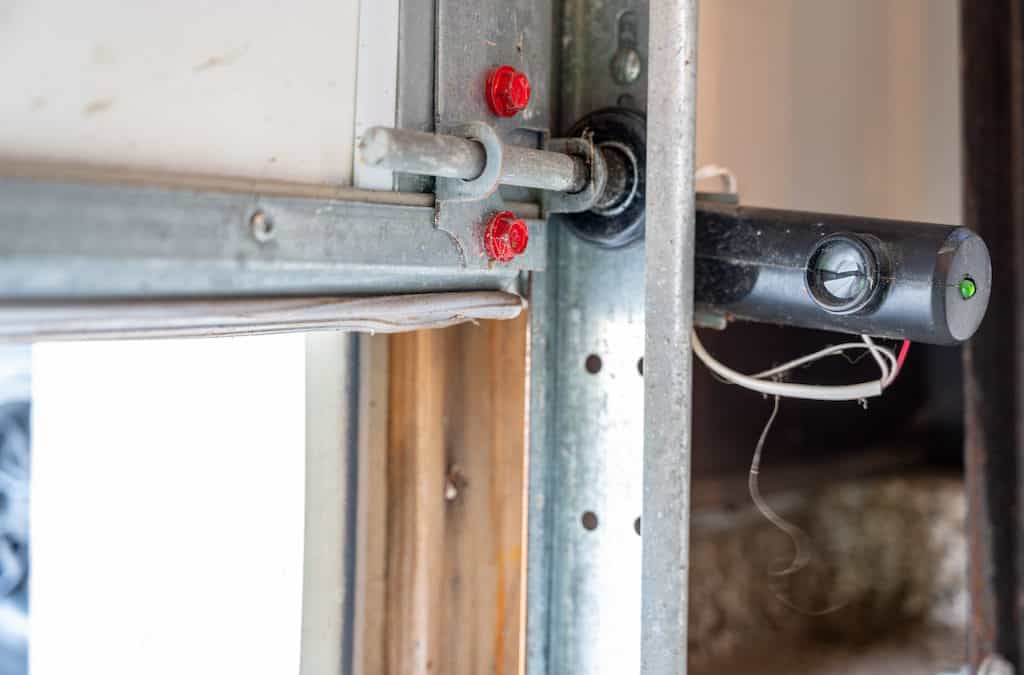
Photo eyes need to be installed on either side of the garage door, about 6 inches above the ground. 

Use your measuring tape to ensure they are at the same height. This alignment is crucial for the sensors to work correctly.

3. Mount the Sensors

Most photo eye sensors come with brackets. Attach these brackets to the walls or the tracks of your garage door using the provided screws. 

Make sure the sensors are facing each other directly. This is important as any misalignment can cause the sensors to malfunction.

4. Run the Wires

Now, you need to connect the photo eyes to the garage door opener. Start by running the wires from the sensors to the opener. 

If your garage has pre-existing wiring channels or conduits, use them for a neater installation.

5. Connect the Wires

Using your wire strippers, remove about half an inch of insulation from the ends of the wires. Typically, you’ll have two wires: one for power and one for signal. 

Connect these wires to the corresponding terminals on the garage door opener. Most openers will have clearly marked terminals for the photo eyes.

6. Secure the Wires

Once the wires are connected, use wire nuts to secure the connections. Wrap these with electrical tape to ensure they stay in place and are insulated. 

Tidy up any loose wires using cable ties or clips, keeping them away from any moving parts of the garage door.

7. Align the Sensors

With the sensors mounted and wired, plug in the garage door opener. The sensors typically have indicator lights. 

If they are aligned correctly, the lights should be steady. If they blink or are off, you might need to adjust the position slightly until the alignment is perfect.

8. Test the System

Close the garage door using the opener. Then, wave an object in front of the photo eyes to test if the door stops and reverses. 

This test ensures the sensors are functioning correctly. Repeat the test a few times to be sure.

9. Final Adjustments

If everything works correctly, tighten all the screws and double-check the wire connections. Make sure the sensors are secure and the wires are neatly fastened.

Troubleshooting Tips

Lights Not Working

If the indicator lights on the sensors are not lit, check the power connections. Make sure the wires are properly connected and not damaged.

Misalignment

If the door does not reverse when an object is placed in front of the sensors, recheck the alignment. The sensors must face each other directly without any obstruction.

Intermittent Issues

If the sensors work inconsistently, there might be loose wires or the sensors could be dirty. Clean the sensors with a soft cloth and check all wire connections.

Ensuring Safety with Photo Eyes

Wiring photo eyes to a commercial garage door is a task that enhances safety significantly. 

When you follow these steps, you can ensure your garage door operates smoothly and securely. Properly installed photo eyes prevent accidents and protect property, giving you peace of mind.

If you find the process challenging or need professional assistance, Peter and Sons offer expert installation services. 

Their experienced team can handle the wiring and ensure your system is set up correctly. For more information, visit their website at Peter and Sons.

When you learn how to wire photo eyes to a commercial garage door, you not only comply with safety standards but also ensure a safer environment for everyone using the door.

You might like these

sabung ayam online

sv388

sbobet88

casino online

scatter hitam

server thailand

mikitoto

pintuplay

slot thailand

slot server thailand

slot777

garuda69

sbobet88

sv388

togel hongkong

mahjong ways 2

Mahjong ways 2

sv388

casino online

BESTTOGEL

BESTTOGEL

scatter hitam

casino online

sabung ayam online

judi bola online

live casino online

mahjong ways

hk pools

SABUNG AYAM ONLINE

SLOT MAHJONG

APK SLOT

SLOT MAXWIN

visitorbet

i8live

i8live

sbobet88

judi basket

sabung ayam online

slot mahjong

mahjong slot

slot777

slot mahjong

sabung ayam online

judi bola online

live casino online

judi bola

sabung ayam online

slot mahjong

Mahjong Ways 2 Mendadak Gacor ! Pola Scatter Cepat Ini Lagi Ramai Dipakai

baristabogota.com

buffetbogota.com

cateringeventos.com

cattleyaeventos.com

cocoaeventos.com

coctelesyeventos.com

daiquiricocktailbar.com

elgranbartender.com

elianahernandez.com.co

escortsenbogota.com

fiestadematrimonio.com

fiestasdematrimonio.com

gigolosenbogota.com

grupoempresarialbaen.com

justmarried.com.co

limopartybogota.com

luxuryeventos.com.co

panelaorganica.com.co

pijamasbogota.com

sexshopcolombia.com.co

sextourbogota.com

showsbogota.com

siluetasytonos.com

simondice.com.co

sipirili.com.co

stripperbogota.com

swingerpartybogota.com

uniformesbogota.com

weddingcolombia.com.co

xn--fiestasde15aos-1nb.com

centro-occidente.coneicc.org.mx

mancomunidad.org

ccfdchildcare.com

www.sasrourissol.fr

www.loucaloun.fr

luxuryeventos.com.co

biopreventative.com

www.beton-cire-13.fr

qhiresolutions.com

cptrekking.com.br

bullandbeartravels.co.tz

cattleyaeventos.com

ablaw.vn

www.mishofamarwah.sch.id

grupoempresarialbaen.com

sherleyskin.com

www.adnmart.com

algnutrastore.com

anigeouscosmetics.com

aqua-dotterel-346593.hostingersite.com

bariahouselifting.com

blazeremedies.in

friendspackermovers.com

gravityprints.com

herbalpowerindia.com

homeheartindia.com

kalanishtha.com

kanhapolyfab.com

muzaffarpurgaushala.org

myratrendz.com

northpackindia.com

orchiddecorcrafts.com

orientaltrimex.com

rainurail.com

royalblue-antelope-713279.hostingersite.com

sharprintech.com

thathardwarestore.com

xtronindia.com