james cubao
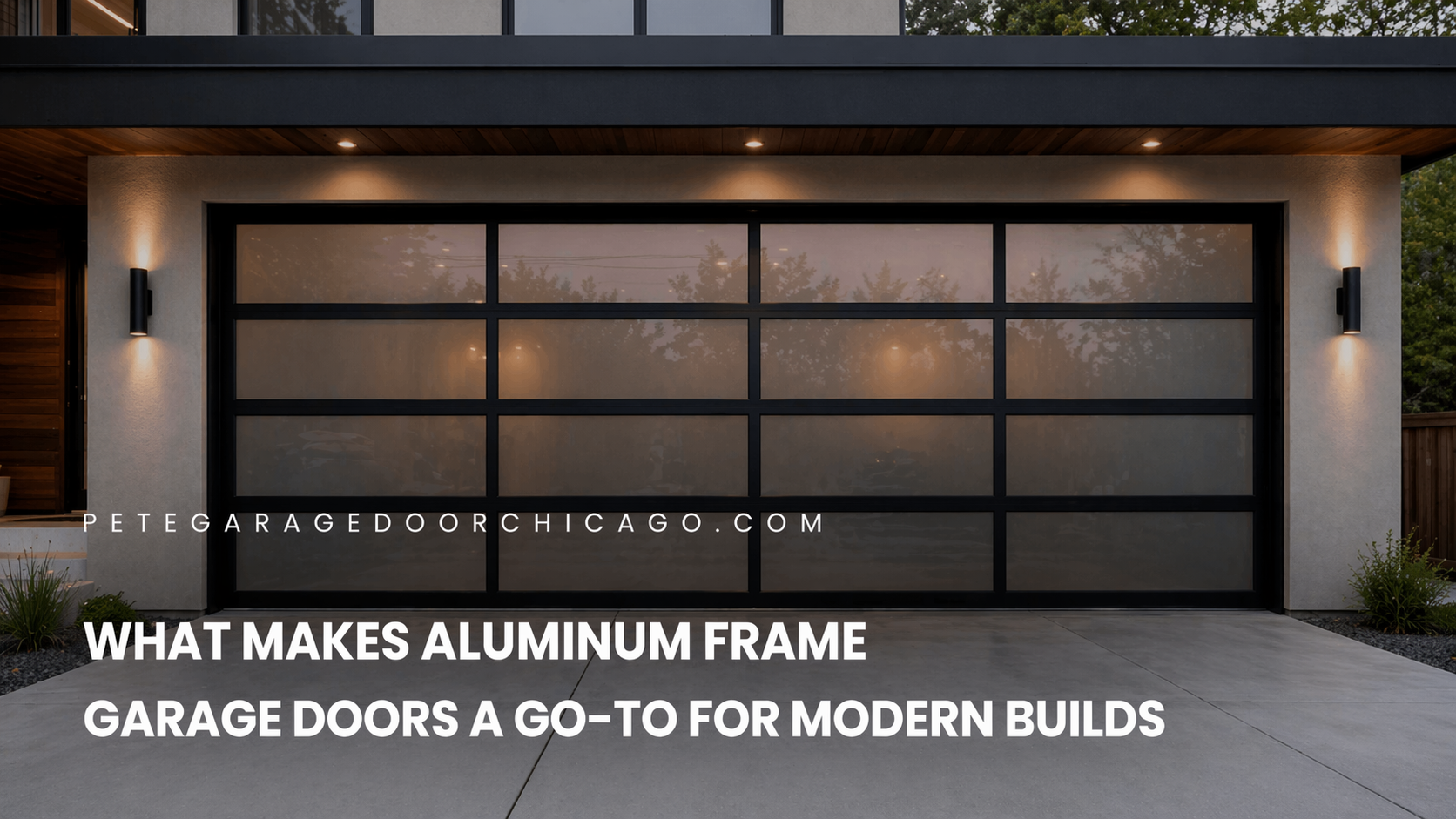
Garage doors have shifted from purely functional to a central part of exterior design. In newer builds, they often take up a large portion of the front façade, which makes their style and material more important than ever. That’s where aluminum frame garage doors stand out. They bring together clean lines, modern materials, and flexible design options that fit today’s homes.
Builders and homeowners are choosing aluminum frames for one simple reason: they work. They support modern design trends while staying practical for everyday use. From smooth operation to long-term durability, these doors offer a balance that fits both design goals and real-life use.
Why Builders Are Choosing Aluminum More Often
Modern home construction focuses on simplicity, structure, and materials that last. Aluminum fits naturally into that approach. It’s strong without being heavy, and it holds up well against moisture and temperature changes.
In new builds, weight matters. Heavier doors can put more strain on openers, tracks, and mounting systems. Aluminum reduces that load while still providing the support needed for large garage openings. This makes installation easier and helps the system perform better over time.
Aluminum also gives builders flexibility. It pairs well with glass, composite panels, and even solid inserts, allowing them to match the overall look of the home without compromise.
The Visual Impact on Modern Homes
The look of a garage door can change how a home feels from the outside. Aluminum frame garage doors are often used to create a clean, structured appearance that fits modern architecture.
One reason they stand out is their ability to work with glass. Full-view or partial glass panels allow natural light into the garage and create a more open feel. This is especially useful in homes where the garage doubles as a workspace, gym, or storage area.
The frame itself can be finished in colors like black, bronze, or neutral tones that align with window trims and exterior accents. This consistency helps tie the entire design together.
Design Flexibility Without Overcomplicating
Aluminum frame garage doors give homeowners options without making the design process overwhelming. The structure stays simple, while the panel choices allow for customization.
Some homeowners choose full glass panels for a modern, open look. Others prefer frosted or tinted glass for privacy. There are also options for solid inserts that mimic wood or composite finishes for a warmer appearance.
Common design directions include:
- Full-view glass panels for maximum light
- Frosted or tinted panels for added privacy
- Mixed panel layouts combining glass and solid sections
- Matte black or dark frames for contrast
- Neutral finishes that blend with the home exterior
This range of options allows the door to match both bold and subtle design styles.
Built for Daily Use and Long-Term Performance
While appearance is important, performance matters just as much. Aluminum frame garage doors are designed to handle daily operation without excessive wear.
Because aluminum is lightweight, it reduces strain on moving parts. This helps extend the life of the opener, rollers, and tracks. The result is smoother operation and fewer issues over time.
The material also resists rust, which is a major advantage in climates with humidity, rain, or snow. Unlike steel, aluminum does not corrode in the same way, making it a reliable choice for long-term use.
How They Handle Insulation and Comfort
One common question is how aluminum frame doors perform when it comes to insulation. Since many designs include glass, insulation depends on the type of panels used.
Modern options often include double-pane or insulated glass, which helps reduce heat transfer. Some designs also use insulated inserts instead of glass for improved thermal performance.
Weather seals around the door edges play an important role as well. When properly installed, they help keep drafts out and maintain a more stable temperature inside the garage.
For homes with attached garages, these features can make a noticeable difference in comfort.
Maintenance Is Simple and Predictable
Another reason aluminum frame garage doors are popular is their low maintenance requirements. The material does not need repainting or sealing like wood, and it holds its finish well over time.
Cleaning is straightforward. A quick rinse or wipe-down removes dirt and debris, while glass panels can be cleaned with standard glass cleaner. This makes it easy to keep the door looking sharp without much effort.
Basic upkeep includes:
- Cleaning the frame and panels a few times a year
- Lubricating hinges and rollers
- Checking tracks for alignment
- Inspecting seals for wear
These small steps help maintain both appearance and performance.
Where Aluminum Frame Doors Work Best
Aluminum frame garage doors are most commonly seen in modern and contemporary homes, but they can work in other settings as well. In urban neighborhoods, they provide a clean, updated look that fits newer builds.
They also work well in homes with large windows or open layouts. The glass panels help create a visual connection between indoor and outdoor spaces, which is a common feature in modern design.
Even in transitional homes, aluminum doors can add a subtle modern touch when paired with the right finishes and materials.
A Practical Choice for Modern Construction
Aluminum frame garage doors have become a go-to option because they solve multiple needs at once. They offer a clean design, flexible customization, and reliable performance without adding unnecessary complexity.
For homeowners and builders alike, they provide a way to achieve a modern look while keeping maintenance and long-term durability in check. As design trends continue to favor simplicity and strong materials, aluminum remains a practical and consistent choice.
For those planning a garage door upgrade or new installation, Peter and Sons Construction helps homeowners choose garage door systems that align with both design goals and everyday performance needs.
You might like these