Garage Door Repair in Chicago in 2026: What Homeowners Can Expect

Garage Door Repair in Chicago in 2026 What Homeowners Can Expect

January 2026

Garage Door Repair in Chicago in 2026 What Homeowners Can Expect

As home systems evolve and smart technologies grow more common, garage door repair in Chicago in 2026 reflects both traditional maintenance needs and changing expectations around service and performance. 

Garage doors remain one of the most frequently used systems in residential homes, opening and closing multiple times a day while facing constant exposure to weather and wear. Because of this, repair remains a critical part of keeping homes functional, secure, and comfortable.

Chicago homeowners rely on garage doors for daily access, vehicle protection, and storage. As the city continues to balance historic housing stock with newer construction, repair services must adapt to a wide range of door styles, materials, and operating systems. Looking ahead, homeowners can expect a stronger focus on preventative care, faster diagnostics, and clearer communication when repair needs arise.

Why Garage Door Repair Continues to Matter

Garage doors operate under significant mechanical stress. Springs carry weight, cables guide movement, tracks control alignment, and openers coordinate motion. Over time, even well‑installed systems experience wear. Regular use combined with Chicago’s seasonal temperature shifts increases strain on these components.

In winter, cold air stiffens metal parts and reduces lubrication effectiveness. In summer, heat causes expansion that can affect alignment and tension. These cycles contribute to gradual wear that eventually leads to malfunction. Repair restores balance and ensures the door moves smoothly and safely.

Ignoring early signs of trouble often leads to larger issues. Delayed repair can cause added stress on openers, uneven panel movement, or safety sensor failure. Addressing problems early helps preserve the system and reduces the chance of sudden breakdowns.

Common Repair Issues Homeowners Face

While garage door systems vary, many repair calls stem from a predictable set of problems. Understanding these helps homeowners recognize when professional service is needed.

Typical repair issues include:

  1. Spring fatigue or failure
    Springs manage the door’s weight. When they weaken or break, the door may feel heavy, move unevenly, or stop working entirely. Replacing or adjusting springs restores safe operation.

  2. Track and roller alignment problems
    Tracks can shift over time, and rollers wear down with use. These issues cause noisy operation or jerky movement. Realignment and part replacement restore smooth travel.

  3. Sensor or opener malfunctions
    Modern garage doors rely on sensors and electronic controls. Dirt, misalignment, or aging components can interrupt communication and stop the door from responding correctly.

    These problems are common across both older and newer homes and tend to worsen when left unaddressed.

How Repair Services Are Changing

Looking ahead to garage door repair in Chicago in 2026, service expectations are shifting. Homeowners increasingly value efficiency, clarity, and preventative recommendations rather than reactive fixes alone.

One notable change is improved diagnostics. Many technicians now assess issues using photos or videos shared before a visit. This allows them to arrive prepared with the right tools and parts, reducing service time and repeat visits.

Communication standards are also rising. Appointment confirmations, arrival windows, and repair summaries are increasingly shared digitally. Homeowners appreciate transparency around timelines and costs, which builds trust and reduces frustration.

Preventative service is becoming more common as well. Instead of waiting for a part to fail, technicians assess wear patterns and recommend service before performance declines. This approach helps homeowners avoid emergency repairs and plan maintenance around their schedules.

Safety Remains a Priority

Garage doors are heavy systems that operate under tension. Repair work involves components that can cause injury if handled improperly. Professional repair prioritizes safety through established procedures.

Key safety practices include:

  • Disconnecting power to the opener before mechanical adjustments
  • Testing balance after spring or cable work to ensure smooth movement

Safety sensors are also inspected during repair visits. These sensors stop the door if something blocks its path, protecting people, pets, and property. Ensuring they work correctly is part of responsible service.

Homeowners should avoid attempting spring or cable repairs themselves. These components store energy and require specialized tools and experience.

Seasonal Impact on Garage Door Performance

Chicago’s climate plays a significant role in garage door wear. Cold winters increase metal contraction and reduce flexibility in seals. Snow and ice can interfere with tracks and sensors. Summer heat expands materials and can affect tension settings.

Seasonal inspections help catch problems early. Many homeowners schedule service before winter or after heavy seasonal use. This planning approach aligns with evolving expectations for garage door repair in Chicago in 2026, where prevention becomes as important as repair.

Cost Considerations and Planning

Repair costs vary based on labor, parts, and complexity. Simple adjustments or lubrication are typically modest. Spring replacement, opener repairs, or structural alignment involve more time and materials.

Clear pricing matters. Homeowners benefit from understanding what is being repaired and why. Early repairs often cost less than delayed ones, as unresolved issues can damage additional components.

Planning for maintenance and budgeting for eventual repairs helps avoid unexpected expenses.

Maintenance That Supports Long‑Term Performance

Routine maintenance complements professional repair. Keeping tracks clean, lubricating moving parts, and checking weather seals help extend system life.

Homeowners can also monitor operation. New noises, slower movement, or uneven closing often signal developing issues. Noticing these changes early leads to quicker resolution and less disruption.

The Role of Smart Systems

Smart garage door systems influence how repairs are diagnosed and managed. App‑based alerts notify homeowners when doors remain open or operate abnormally. Usage data can reveal patterns that indicate wear.

These tools help technicians understand system behavior more clearly. As smart features become standard, repair services adapt by combining mechanical expertise with technical insight.

Choosing the Right Repair Support

Homeowners seeking dependable service should look for professionals who combine experience with clear communication. Good repair support includes explaining the issue, outlining solutions, and providing realistic expectations.

Qualities to look for include:

  • Transparent estimates
  • Quality replacement parts
  • Respect for scheduling and property

Community recommendations and consistent service history often signal reliability.

Long‑Term Value of Timely Repair

A properly functioning garage door supports daily routines, home security, and energy efficiency. It reduces drafts, protects stored items, and improves ease of access. Well‑maintained systems also reflect positively during home inspections and resale evaluations.

Investing in timely repair preserves both convenience and property value.

Looking Ahead With Confidence

The future of garage door repair in Chicago in 2026 blends traditional craftsmanship with improved diagnostics, stronger communication, and preventative care. Homeowners benefit from services that respect both the mechanical demands of garage doors and modern expectations for efficiency and clarity.

Staying informed, planning maintenance, and responding promptly to early warning signs help ensure garage doors continue to perform reliably year after year.

Support That Aligns With Your Home

Garage doors play a vital role in daily living. When repair needs arise, informed decisions and professional guidance make the process smoother and more effective.

For homeowners looking for help understanding garage door performance, maintenance planning, or repair considerations, Peter and Sons Construction offers guidance that connects practical function with long‑term home care.

You might like these
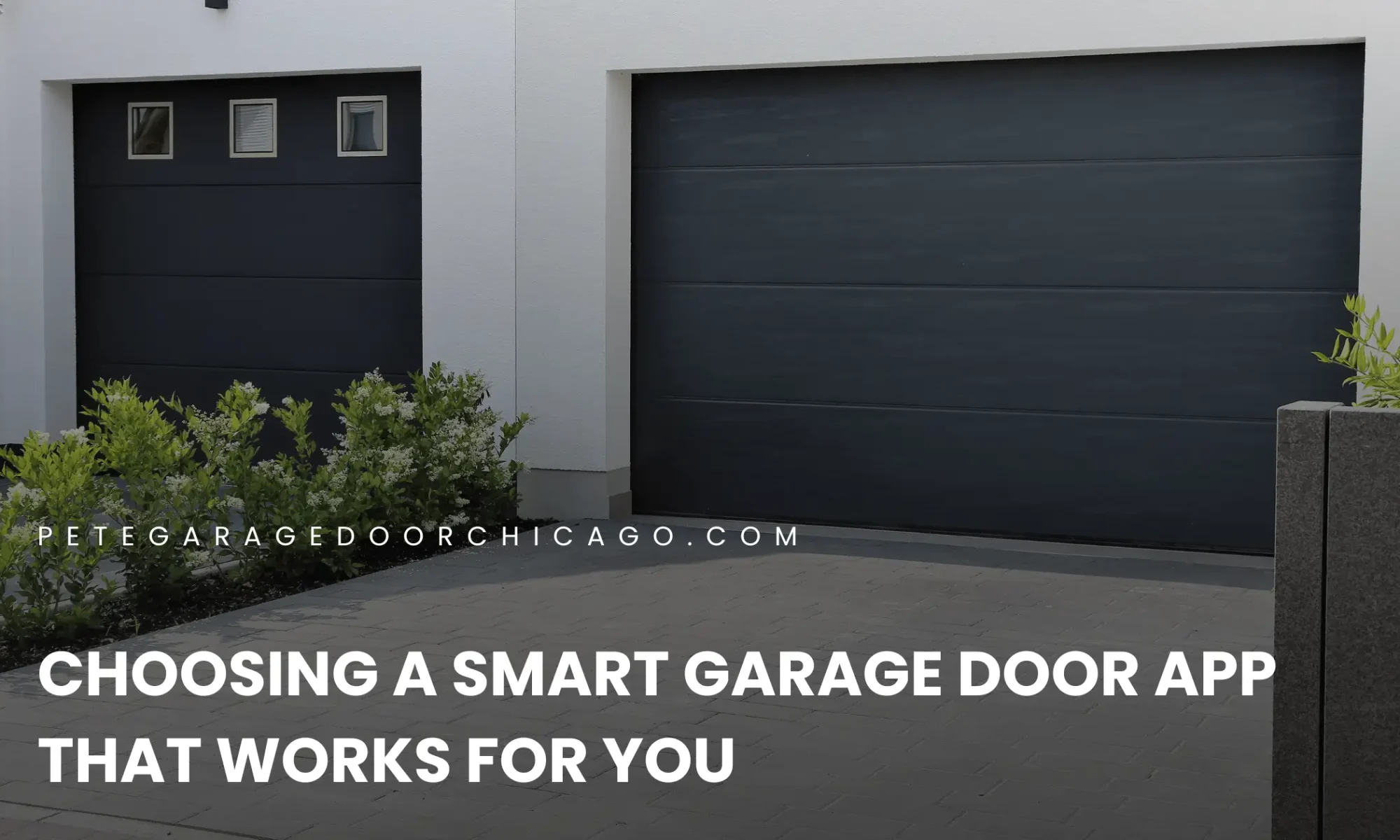
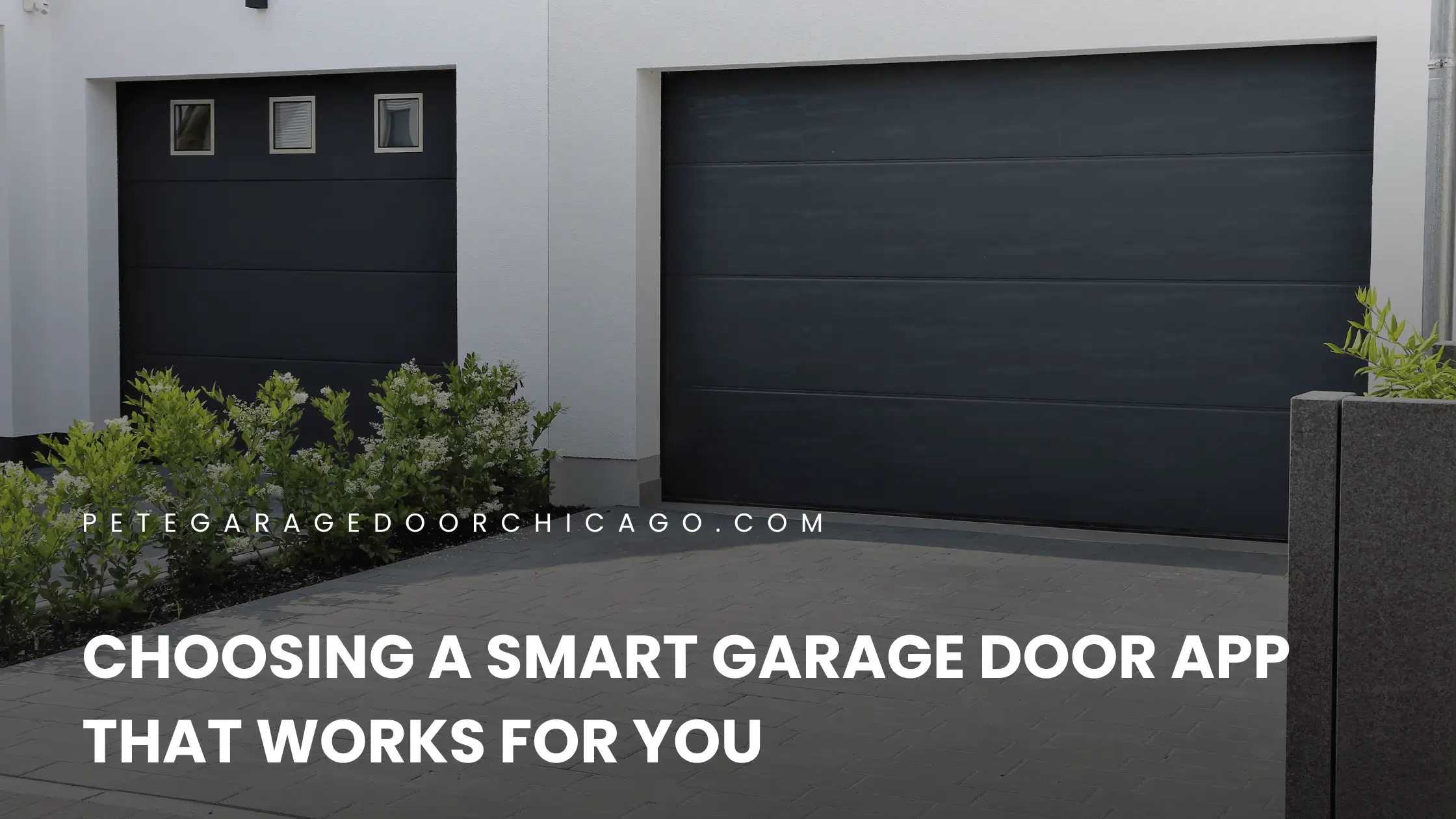
Choosing a Smart Garage Door App That Works for You

Choosing a Smart Garage Door App That Works for You

January 2026

Choosing a Smart Garage Door App That Works for You

A smart garage door app gives you control, visibility, and peace of mind by putting garage access in the palm of your hand. Instead of relying on old‑fashioned remotes or wall buttons, a smart app lets you check the status of your garage door, open or close it from anywhere, and receive alerts when activity occurs. As our homes become more connected, these apps are becoming key parts of everyday convenience and security.

With so many options on the market, it can be confusing to know which app will work best with your garage door system. Some apps focus on remote control, others combine security features, and some integrate with other smart home tools. Choosing a smart garage door app that fits your lifestyle and needs helps you get the most out of your garage setup while improving daily use and peace of mind.

Understanding What an App Can Do

A smart garage door app turns your phone or tablet into a remote control, monitor, and alert system all in one. These apps connect to your garage door opener through home Wi‑Fi and allow you to interact with the door even when you are not physically near it.

Here are some of the key capabilities offered by many smart garage door apps:

  1. Remote open and close controls — You can open or close the garage door from your smartphone, which is helpful when you forget to close it or need to let someone in while you are away.
  2. Status alerts and notifications — Apps can send updates when the door opens or closes, or if it remains open too long.
  3. Activity logs — Many apps record a history of door events so you can see who accessed the garage and when.

These functions create a more connected experience, especially for families and frequent travelers. For example, if you are on vacation and the kids arrive home after school, you can check the app to confirm that the garage is closed and secure.

When exploring your options, look at how the app interacts with your specific garage door opener model and what features are included without extra subscription fees. Ease of use, frequent updates, and solid customer support also make a difference in long‑term satisfaction.

Features to Compare Before You Commit

Not all smart garage door apps are created equal. Features vary widely, and some may be more important to your daily use than others. Thinking about what functions matter most to you can save time and ensure you choose the right tool.

Key features to consider include:

  • Real‑time status monitoring — The ability to see at a glance whether your garage door is open or closed.
  • Custom alerts — Notifications you can tailor for different types of events, such as door openings at unusual hours.
  • Integration with voice assistants — Compatibility with tools like Alexa, Google Assistant, or Siri.
  • Multiple user access — Allowing access for family members or trusted visitors with individual profiles.

Apps that combine these features offer a stronger user experience. For example, voice assistant support lets you ask your home to close the garage without touching your phone. Custom alerts help you stay aware of activity and respond promptly if something unexpected occurs.

Another feature to think about is how an app stores activity logs. Some apps provide long histories of door use that you can review if needed. Others hold only short snippets or require payment for extended storage. Understanding how logs are managed helps you anticipate potential limitations.

Compatibility With Your Garage System

Compatibility between a smart garage door app and your hardware is critical. Not all openers work with every app, and older garage door systems may need additional hardware to connect to modern apps.

Many smart garage door apps work with specific brands or models of openers. Some require an adapter or a separate controller that links your opener to your home Wi‑Fi network. Before selecting an app, check compatibility documentation from the app provider and confirm that your existing opener will support the connection.

If your garage door system is aging or lacks remote connectivity support, upgrading the opener or adding a compatible controller may be necessary. Professional installers can assess your current setup and recommend the best app‑compatible system for your home.

This ensures that the smart garage door app you choose will function smoothly and securely.

Security and Privacy Considerations

Using a smart garage door app means connecting your garage entry point to your home network. Security and privacy are therefore important factors to evaluate. A good smart garage door app should protect your data and ensure unauthorized users cannot access your controls.

Look for features such as:

  • Two‑factor authentication — Adds an extra step for access, reducing the risk of unwanted entry.
  • Encrypted communications — Ensures that data sent between your phone and the garage system is secure.
  • User permissions — Lets you control who can see activity logs or send door commands.

Treat your app credentials like any other sensitive login. Use strong passwords and update them periodically. Avoid sharing access widely unless you trust the individual, and remove permissions promptly if someone no longer needs access.

Privacy policies should be clear about what data is collected and how it is used. Apps that provide transparency around data handling are preferable, especially for homeowners who care about security.

Ease of Use and Daily Experience

The daily value of a smart garage door app depends largely on how easy it is to use. A complex interface with hidden settings can make routine actions frustrating. Conversely, an intuitive app with straightforward controls encourages regular use.

Important aspects of user experience include:

  • Simple dashboards that show door status at a glance
  • Quick response times when sending open or close commands
  • Clear alert messages that are easy to interpret
  • Customizable settings that reflect your priorities

Some garage door apps also offer features like geofencing, which uses your phone’s location to trigger automatic actions. For example, the door may close as you leave home or open as you approach. This type of automation reduces the need for manual control and fits naturally with everyday routines.

Integrating With Other Smart Home Tools

A smart garage door app can become part of a broader smart home ecosystem. Integration with lighting, security cameras, door locks, and voice assistants expands usefulness and convenience.

For example, connecting your garage app with your home security camera lets you see who approaches before you open the door. Pairing with smart lighting systems can trigger lights to turn on when the garage opens at night. Voice assistant support lets you ask your home to check garage status while you are in a different room.

The more your smart garage door app works with other systems, the more seamless your daily routines become. This connected setup creates a unified experience across multiple devices.

Choosing the Right App for Long‑Term Use

Selecting a smart garage door app is not just about features today. Long‑term stability, ongoing updates, and developer support matter too. Apps that receive frequent updates often improve security and add functionality over time.

Before committing to an app, check:

  • Recent update frequency in the app store
  • User reviews and ratings
  • Support resources and documentation
  • Compatibility with future hardware upgrades

This forward‑looking approach helps you choose an app that continues to work well as your home ecosystem evolves.

Practical Tips for App Setup

Getting the most out of any smart garage door app begins with proper setup. Follow setup instructions carefully, connect to secure Wi‑Fi, and adjust notification settings to match your needs. Test features like remote open/close and alerts soon after installation to confirm operation.

Updating the app and connected firmware regularly prevents security gaps and ensures compatibility with your mobile device. If the app includes activity logs, check them periodically to see patterns or unexpected events that may require attention.

App Functionality and Daily Peace of Mind

A smart garage door app offers real convenience by keeping you connected to your garage at all times. These tools go beyond open and close functions. They allow you to monitor activity, manage access, coordinate with other smart systems, and stay aware of what is happening even when you are away from home.

For many homeowners, that level of control supports a greater sense of confidence in daily routines. Simple tasks like confirming a closed door at bedtime or letting a delivery driver into the garage remotely become frictionless with the right app.

Connect Garage Control With Better Service

Choosing a smart garage door app is part of planning a more responsive, connected home. As garage systems and smart technology continue to evolve, the right choices support both convenience and peace of mind.

If you are exploring upgrades to your garage system or want support selecting compatible controls and performance features, professional consultation and installation services help you achieve the best results. Peter and Sons Construction works with homeowners to coordinate design, technology, and functional needs that enhance everyday living and long‑term satisfaction.

You might like these

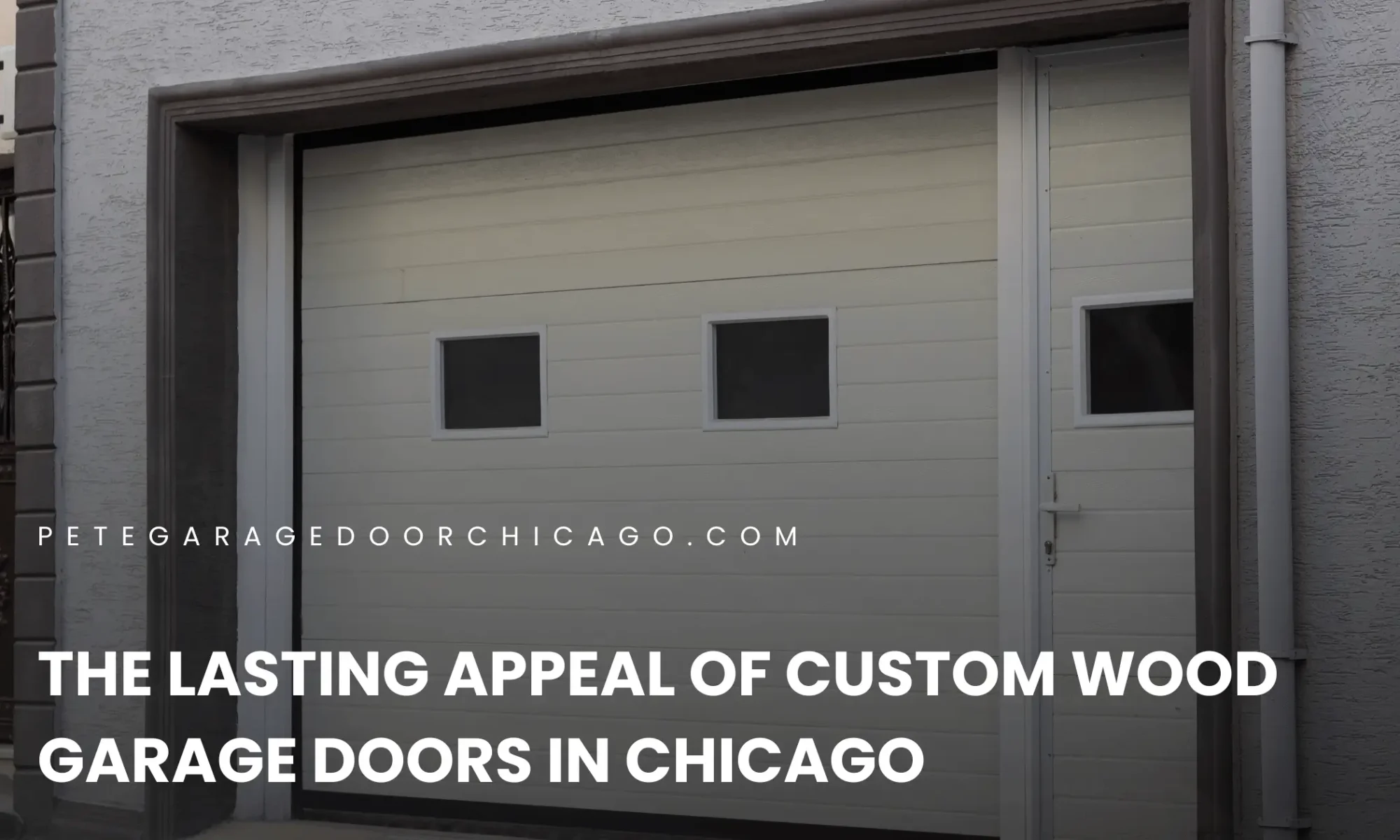
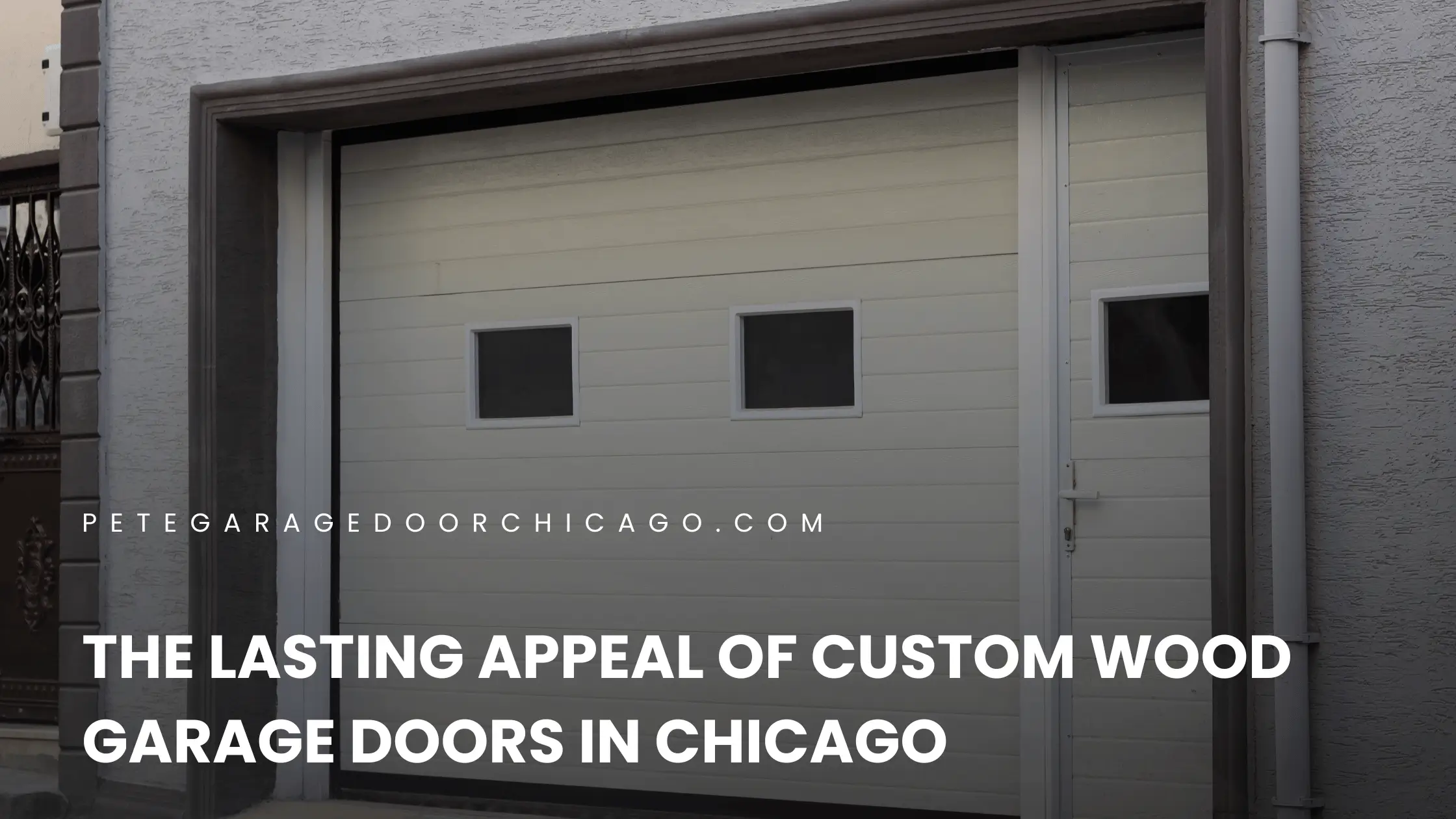
The Lasting Appeal of Custom Wood Garage Doors in Chicago

The Lasting Appeal of Custom Wood Garage Doors in Chicago

January 2026

The Lasting Appeal of Custom Wood Garage Doors in Chicago

Custom wood garage doors in Chicago bring warmth, character, and timeless appeal to residential exteriors. Unlike standard factory‑made doors, wood offers natural texture and depth that instantly adds presence to a home. In a city known for architectural variety, from historic neighborhoods to newer developments, wood garage doors provide flexibility in both design and finish.

Homeowners who choose custom wood garage doors often do so because they want their garage to feel like an intentional part of the home’s exterior. Wood allows for detailed craftsmanship, tailored sizing, and finishes that reflect personal style. When designed and installed correctly, these doors enhance curb appeal while supporting daily use and long‑term performance.

Why Wood Remains a Popular Choice

Wood continues to appeal to homeowners because it delivers visual warmth that other materials struggle to replicate. Grain patterns, natural color variation, and solid construction create a sense of authenticity. Custom wood garage doors in Chicago are frequently selected for homes where architectural detail and material quality matter.

Unlike mass‑produced steel doors, wood doors can be built to specific dimensions and design preferences. This allows homeowners to choose panel layouts, window placement, trim profiles, and finishes that align with the home’s character. The result feels integrated rather than added on.

Wood also ages differently than synthetic materials. With proper care, it develops a lived‑in character that many homeowners appreciate. This natural aging process contributes to the enduring appeal of wood garage doors.

Architectural Styles That Pair Well With Wood Garage Doors

Custom wood garage doors in Chicago work especially well with certain architectural styles. Understanding how wood complements different exteriors helps homeowners choose designs that feel balanced and intentional.

1. Traditional and Farmhouse Homes

Homes with classic proportions, brick facades, or farmhouse elements often pair naturally with wood garage doors. Wood finishes echo other natural materials and soften exterior lines. Light stains highlight grain for a welcoming look, while darker stains add contrast against lighter siding.

Farmhouse designs benefit from simple panel layouts and understated hardware. Wood enhances the sense of craftsmanship and ties together trim, porches, and exterior beams.

2. Craftsman and Transitional Homes

Craftsman homes emphasize hand‑built details, exposed wood elements, and natural materials. Custom wood garage doors support that design language by reinforcing warmth and texture. Transitional homes that blend classic and modern features also benefit from wood doors that bridge clean lines with organic finishes.

In both styles, thoughtful hardware selection and window placement help maintain visual balance.

Selecting the Right Wood Species

Choosing the right wood species affects durability, appearance, and maintenance needs. For custom wood garage doors in Chicago, homeowners often select species that perform well in variable weather conditions.

Common options include cedar, mahogany, redwood, and oak. Cedar and redwood are valued for their resistance to moisture and insects. Mahogany offers rich color consistency and long‑term stability. Oak provides strength and pronounced grain for a bold appearance.

Each species responds differently to finishes and environmental exposure. Proper sealing and staining protect the wood from moisture and temperature shifts while preserving its natural character.

Panel Design, Windows, and Visual Balance

Panel layout influences how the door interacts with the rest of the home. Clean, symmetrical panels suit traditional and transitional designs, while flatter profiles support more contemporary homes. Window placement introduces light and breaks up solid wood surfaces without overwhelming the design.

Design elements to consider include:

  1. Window inserts placed near the top to allow light into the garage while maintaining privacy
  2. Decorative panel layouts that align with siding lines and architectural proportions

These choices help ensure the garage door complements the home rather than competing with it.

Maintenance and Climate Considerations

Chicago’s climate includes hot summers, cold winters, and seasonal moisture, all of which affect wood. Custom wood garage doors in Chicago require regular care to maintain performance and appearance. This includes sealing or staining at appropriate intervals and inspecting surfaces for wear.

Weather stripping and proper drainage help prevent moisture intrusion. A well‑installed door that is properly balanced reduces strain on hardware and minimizes long‑term issues. With consistent maintenance, wood garage doors hold up well and retain their visual appeal.

Insulation and Performance Options

Many homeowners choose insulated construction for wood garage doors, especially when garages connect directly to living spaces. Insulated cores help regulate temperature, reduce drafts, and improve overall comfort.

Insulation also contributes to noise reduction and protects stored items from extreme temperature swings. When combined with proper weather seals, insulated wood doors support year‑round usability.

Professional guidance helps determine the right insulation level based on garage use and layout.

Color, Finish, and Exterior Coordination

Finish selection plays a major role in how wood garage doors look over time. Natural stains highlight grain patterns, while painted finishes create a cleaner, more uniform appearance. Satin finishes soften reflections, while matte finishes support modern design preferences.

Custom wood garage doors in Chicago are often coordinated with trim, window frames, and entry doors to maintain exterior harmony. Testing stain or paint samples against the home’s exterior helps ensure the final choice feels cohesive.

Hardware finishes should also align with other exterior accents to reinforce consistency.

Planning a Custom Wood Door Project

Designing a custom wood garage door involves more than choosing a material. Measurements, weight considerations, hardware selection, and installation quality all affect performance. A tailored approach ensures the door fits precisely and operates smoothly.

Working with experienced professionals helps homeowners navigate these decisions while avoiding common issues like improper balance or insufficient weather sealing.

A Timeless Choice for Chicago Homes

Custom wood garage doors in Chicago remain a sought‑after option because they combine craftsmanship, flexibility, and visual warmth. They adapt to a wide range of architectural styles and allow homeowners to express personal taste through material and design choices.

With proper planning, quality materials, and regular care, wood garage doors continue to enhance home exteriors for years.

Design That Feels Intentional

Custom wood garage doors in Chicago offer a way to elevate exterior design while respecting a home’s architecture. Their natural beauty and adaptability make them a lasting investment for homeowners who value detail and quality.

For homeowners exploring garage door upgrades or planning a custom project, Peter and Sons Construction provides guidance on design selection and professional installation to support long‑term performance and curb appeal.

You might like these

Smarter Garage Access Starts With a Camera Opener

January 2026

Home security and convenience have merged in ways that affect how people think about everyday spaces, including the garage. A garage door camera opener brings visual monitoring and remote control together to give homeowners clarity about what is happening at their garage entrance. With live views, real‑time alerts, and remote access, this type of system makes it easier to stay aware of activity around one of the most used entry points of a home.

Whether you are leaving for work, returning late at night, or expecting a delivery, knowing what is happening at your garage door adds peace of mind. Built‑in cameras capture motion and video clips that can be viewed on your phone or tablet. 

Paired with smart controls, these systems make the garage more secure and easier to manage. For many homeowners today, the blend of visibility and control that a camera opener brings makes daily routines smoother and safer.

What a Garage Door Camera Opener Does

A modern garage door camera opener combines the functions of a traditional smart opener with integrated cameras that show activity around your garage. Instead of relying only on a remote button or sensor, you get visual confirmation of what is happening at the door.

Here are the core capabilities people value:

  1. Live video stream — You can see what is happening in real time using your phone, tablet, or another connected device.
  2. Motion alerts — The system can notify you when movement is detected near the garage, allowing you to check activity instantly.
  3. Recording clips — Some camera openers store short videos of activity so you can review actions from earlier in the day.
  4. Two‑way communication — Certain models let you talk through the camera if you need to address someone at the garage door.

These functions work together to provide a clearer picture than a standard opener offers. For example, if you receive an alert that the door opened while you were away, you can view the live feed to confirm who triggered it. This helps reduce uncertainty and improves confidence in your home’s access points.

Because the garage is used multiple times a day and often connects directly to a home’s interior, adding a camera to the system gives you the ability to watch activity that previously would have gone unseen.

Benefits for Daily Life and Security

A garage door camera opener gives you a visual layer of security beyond a standard opener. This feature can be especially helpful when:

  • You want to know if the kids got home safely.
  • You are expecting a package delivery at an unusual time.
  • You need confirmation before authorizing someone to access your garage.

Homeowners with attached garages find this especially useful because the garage often serves as a primary entry point. Unexpected sounds at the garage in the early morning or late evening can trigger a quick check on the camera feed. This visual insight makes moments that used to cause worry easier to handle with confidence.

The addition of video also enhances standard smart features. For example, you can schedule automatic door closing and then verify visually that the door is secure. If motion is detected in a particular area, you can check recent clips to confirm the source. These additions make the system more responsive to your day‑to‑day needs.

Beyond individual homes, multi‑vehicle households or properties with outdoor workshops benefit from visual confirmation too. A camera opener bridges the gap between the driveway, garage, and entry point, helping you manage all of these spaces from a single app.

Choosing Features That Matter

Not every garage automation system includes the same camera capabilities. When considering a garage door camera opener, think about these aspects:

  1. Video quality — High resolution makes it easier to see details in both day and night conditions.
  2. Cloud storage — Some systems save video clips online for later review, while others may store on local devices.
  3. Mobile app control — A user‑friendly app lets you view, track, and manage activity from wherever you are.
  4. Integration with other smart devices — Some camera openers work with voice assistants or home security systems.

Choosing the right combination of features depends on how you plan to use the system. If your priority is quick alerts and simple visuals, a basic camera opener may suffice. If you want extended storage and more detailed logs, look for systems that include those capabilities.

Expert guidance helps clarify what you need based on your home’s layout, routine, and preferences. Good planning makes the installation and daily use easier and more effective.

Installation and Connectivity

Installing a garage door camera opener involves mounting both the opener and camera unit, connecting to power, and syncing to your home network. A strong Wi‑Fi connection throughout the garage area is essential. Weak signals can cause delays in video loading or missed alerts.

Many systems offer step‑by‑step setup through mobile apps, including linking to existing smart home platforms. Compatibility with voice assistants or home automation hubs lets you integrate garage monitoring with lights, locks, and other connected devices.

Because each home network and physical layout differs, placement of the camera and signal boosters may influence performance. Testing your system after installation ensures the video feed, motion alerts, and remote controls are functioning as expected.

A professional installer can recommend ideal camera placement so blind spots are minimized, and the garage area is fully covered. Secure installation also ensures the signal stays stable and the system works reliably over time.

Privacy and Data Handling

When you install a garage door camera opener, privacy becomes a relevant consideration. Video feeds tied to your home network should be secure and accessible only to authorized users. Most modern systems use encryption and secure logins to prevent unauthorized access.

Giving access to family members or trusted individuals usually requires a controlled sharing setup through the mobile app. Avoid posting sensitive login details or sharing access widely. A secure approach to privacy protects your home and gives you confidence in how visual data is handled.

Using cloud storage brings additional considerations. Some providers charge for extended storage or higher resolution video retention. Understanding these costs before you commit prevents unexpected expenses.

Everyday Scenarios That Benefit

Think about daily routines where visual confirmation of your garage entry matters. A delivery driver placing a package inside a garage, a teenager arriving home after school, or a pet caregiver entering while you are away are all moments where a garage door camera opener helps you feel informed.

Seeing real activity as it happens removes guesswork. You are not left wondering if the garage closed properly or if someone accessed it at an odd hour. These insights support both peace of mind and proactive living.

Visual access also helps with property oversight. If you are working in your yard or entertaining guests, a quick glance at the garage camera feed lets you keep track of activity without walking to the garage door manually.

Daily Comfort From Visual Awareness

Integrating a garage door camera opener into your home routine supports a daily sense of awareness. You can start your day by checking activity from overnight, or wind down at night knowing the garage is closed and activity is normal. These small checks fit naturally into everyday life.

Over time, the presence of a camera opener feels less like a stand‑alone feature and more like part of how you manage and secure your home. This shift toward visual monitoring reflects a broader trend in home automation where access and awareness go hand in hand.

Smarter Monitoring With Home Technology

As home technology continues to evolve, devices like camera openers are becoming part of a connected system that includes lighting, locks, and interior sensors. This approach means your garage no longer operates in isolation but becomes integrated into your broader home control setup.

Remote access, instant notifications, and clear video feedback are central to how these systems work together. With shared control across devices, you monitor your garage through the same interface you use for other smart home features.

A Clear View and Peace of Mind

A garage door camera opener adds a visual layer to your home’s access control. It gives light to dark corners and clarity to the question of who was at your garage and when. This added visibility supports security and daily life with flexibility and ease.

If you are exploring upgrades to your garage system or want help coordinating door performance, visual access, and seamless operation with your home’s layout, professional support can be valuable. Peter and Sons Construction works with homeowners to coordinate design decisions and reliable installations that support both comfort and security.

You might like these

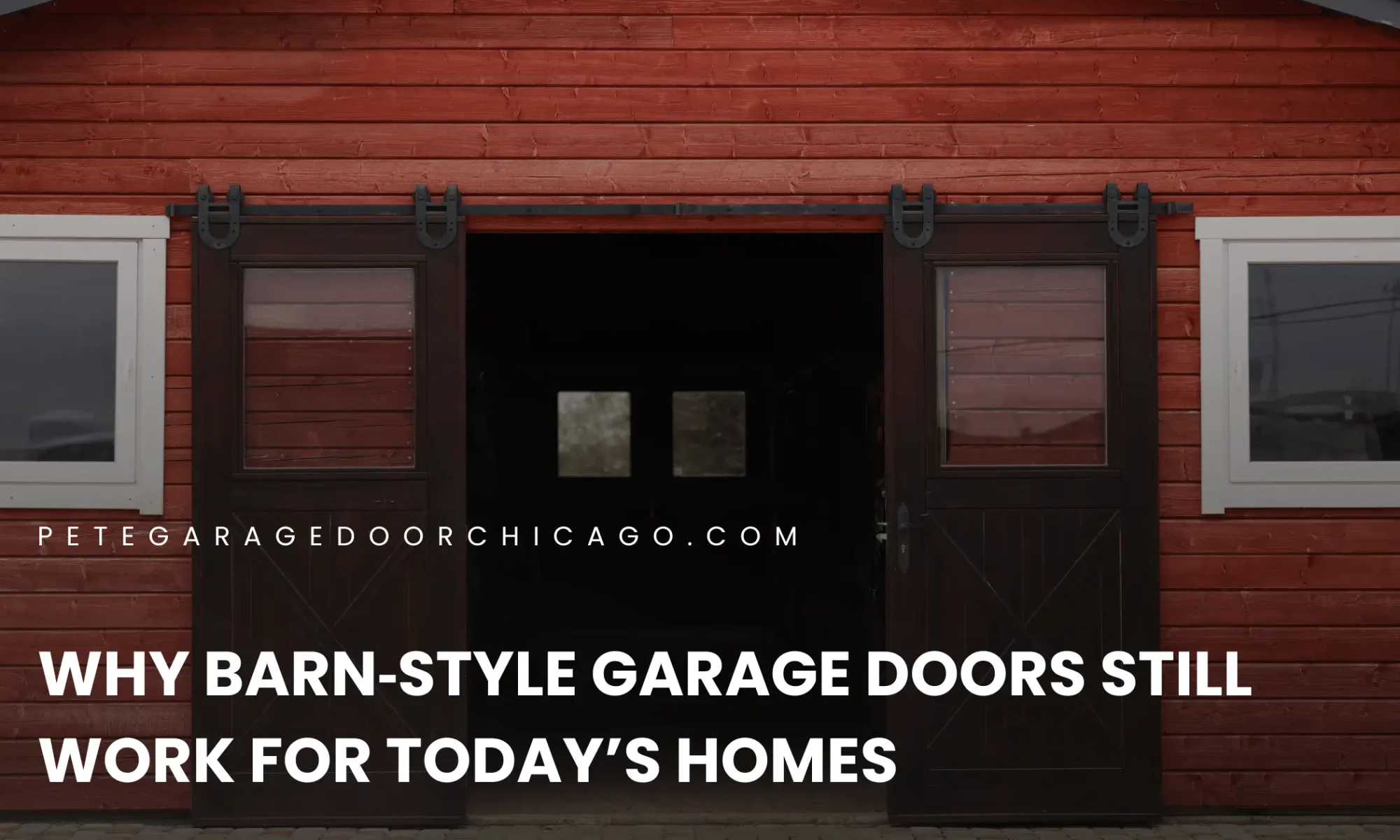
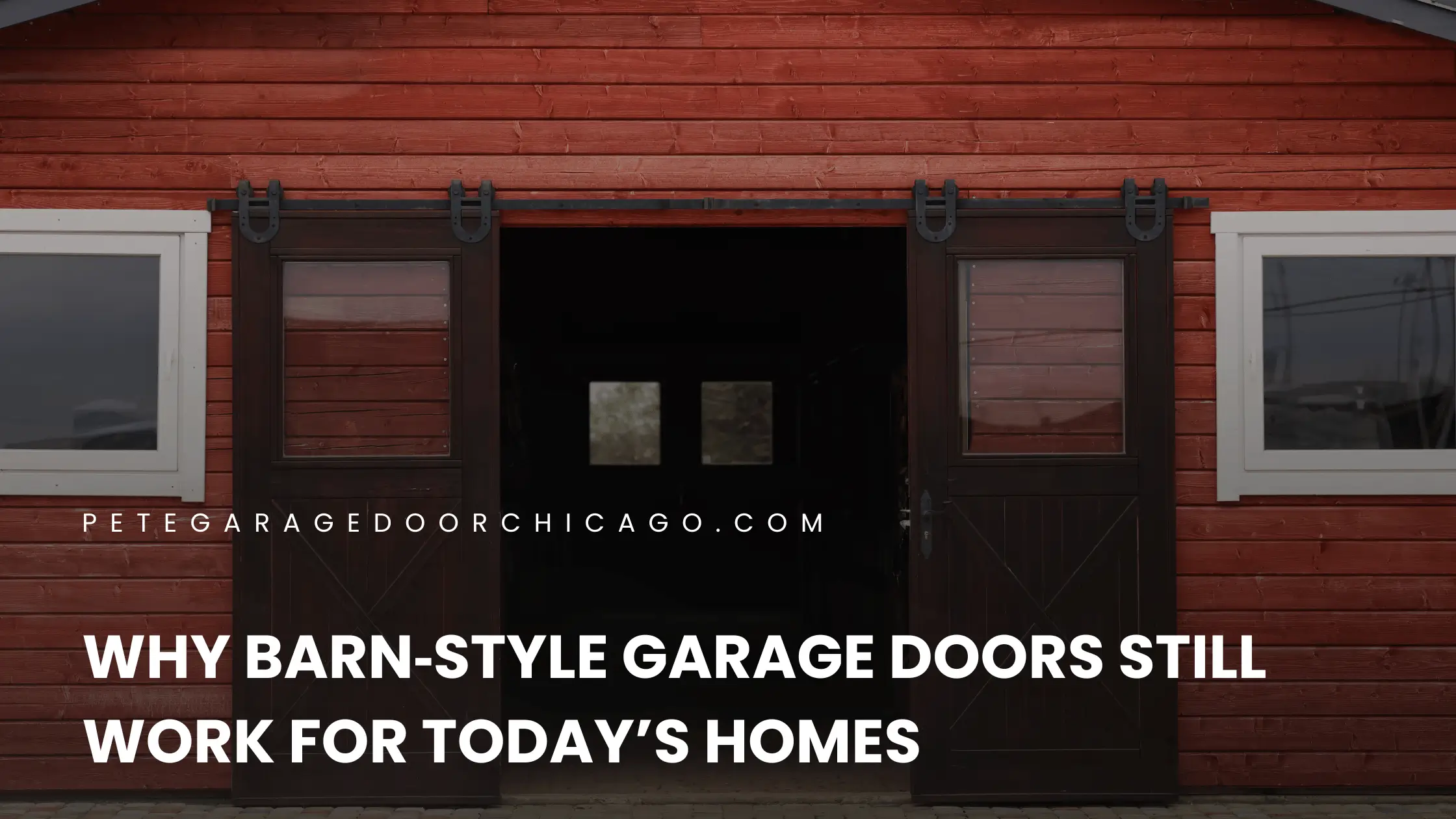
Why Barn‑Style Garage Doors Still Work for Today’s Homes

Why Barn‑Style Garage Doors Still Work for Today’s Homes

January 2026

Why Barn‑Style Garage Doors Still Work for Today’s Homes

Barn‑style garage doors blend rustic charm with practical design, and that combination is why barn‑style garage doors remain a popular choice for many homeowners today. These doors recall classic agricultural buildings while fitting into modern architectural styles. Their visual character and functional flexibility make them a strong option for homes that balance traditional warmth with current design trends.

Because barn‑style garage doors bridge aesthetic eras, they appeal to people who want a distinctive exterior without sacrificing usability. From craftsman and farmhouse homes to updated contemporary builds, the right barn‑style door can anchor a home’s facade and elevate its curb appeal. Understanding how these doors work with different home styles, materials, and color schemes helps you choose a design that feels intentional and timeless.

What Defines the Barn‑Style Look

The defining features of barn‑style garage doors include visible crossbeams or planks, simple rectangular forms, and often accent hardware that echoes traditional barn doors. These details give the door a hand‑crafted look that feels approachable yet refined. The style draws on functional farm structures where durability and simplicity were key, but today these elements are refined for residential use.

Visual elements such as symmetrical patterns, horizontal boards, and truss‑like framing can reinforce the barn aesthetic. Window inserts near the top of the door add light and break up solid surfaces in a way that feels thoughtful and balanced. While traditional barn doors used diagonal bracing for strength, modern barn‑style garage doors use that design as a visual cue rather than a structural necessity.

Choosing the right proportions is important. A door must fit the garage opening in a way that keeps the patterns and panels aligned evenly. A design that is too busy or off‑center can make a home’s exterior feel unbalanced. When done right, barn‑style features feel intentionally placed and complement surrounding architectural elements.

Architectural Styles That Pair Well With Barn‑Style Garage Doors

A variety of home styles work with barn‑style garage doors, and the key to a cohesive look is choosing materials and details that support the home’s overall design language.

Traditional and Farmhouse Homes

Traditional homes, including classic farmhouse designs, often embrace symmetry, natural materials, and detail that evokes handcrafted quality. Barn‑style garage doors with woodgrain finishes, natural stains, or classic hardware tie in seamlessly with brick, stone, or board‑and‑batten siding. The rustic appeal reinforces the home’s heritage charm without looking out of place.

Farmhouse designs with white or neutral exteriors and dark roofing find balance in doors with warm wood tones or contrasting trim. These doors can feel like an extension of the home’s exterior rhythm rather than an isolated design detail.

Transitional and Craftsman Homes

Transitional homes that mix traditional and contemporary elements benefit from barn‑style garage doors that echo horizontal lines and clean patterns. Craftsman homes, often defined by tapered columns, exposed rafters, and rich wood tones, use barn‑style doors to support a handcrafted feel that ties together wood and stone elements.

In these cases, barn‑style garage doors help unify exterior materials and give the home a grounded presence. Simple hardware in black or bronze enhances the look without drawing attention away from other architectural features.

Modern and Contemporary Exteriors

Modern homes can also work with barn‑style garage doors when the doors are chosen thoughtfully. Smooth panels with subtle horizontal accents and minimal hardware can offer a barn‑inspired look that aligns with streamlined, boxy forms. Window placement is especially important here: narrow horizontal glass inserts can maintain a modern vibe while still embracing the barn style.

Using black or dark trim around the doors also helps create a sleek contrast against lighter facade materials. In contemporary builds with stucco, metal, or concrete finishes, a refined barn‑style door can introduce warmth without feeling overly rustic.

Materials and Finishes: Practical Choices for Design

Selecting the right materials for barn‑style garage doors affects both appearance and performance. Common materials include steel, wood, and composite materials that mimic wood grain.

Material considerations include:

  1. Steel doors with woodgrain texture — These offer strength and reduced maintenance while giving the rustic appearance associated with barn style.
  2. Real wood doors — Authentic wood doors bring natural variation and warmth, though they require more upkeep to protect against weathering.
  3. Composite doors — These replicate wood textures but resist warping and cracking, making them attractive for climates with big temperature swings.

Steel doors with woodgrain finishes are often painted or stained to match trim or complement siding. For example, black steel with a matte finish pairs well with light siding and dark roofing. Wood doors with natural or stained finishes bring organic warmth to stone or brick exteriors.

Choosing the finish also influences long‑term care. Painted steel doors can be cleaned easily with mild soap and water, while wood doors may need periodic sealing or staining to retain their luster. Composite doors often strike a balance, requiring little surface care while maintaining a natural look.

Color, Light, and Window Options

The color of your barn‑style garage doors plays a big role in how they integrate with the house exterior. Darker tones such as charcoal, black, or deep brown offer strong contrast against lighter siding. These bold colors anchor the facade and draw the eye to the garage in a balanced way.

Natural wood tones work beautifully with warm stone or earthy siding colors. Window inserts add light to the garage interior and bring visual interest to the door’s surface. Clear glass windows create bright interior space, while frosted or tinted options provide privacy with soft light diffusion.

Placement of windows near the top of the door keeps the lower decorative panels uninterrupted. This layout emphasizes horizontality and enhances garage usability without compromising design.

When paired with simple trim and coordinated hardware, these choices help barn‑style garage doors feel integrated rather than pasted on.

Hardware and Detail Elements That Complement the Style

Decorative hardware can reinforce the barn aesthetic without overwhelming simplicity. Black or bronze handles, strap hinges, and accent bolts help define the door’s look. For modern homes, sleek hardware in matte black adds a refined contrast. For traditional or farmhouse homes, more substantial hardware with subtle curves or rivets enhances rustic character.

Popular hardware approaches include:

  • Long handles that echo barn door strap shapes
  • Subtle trim accents that reinforce panel lines
  • Coordinated finishes with window frames or front door hardware

These details strengthen the design language and help the garage door feel like a cohesive part of the exterior palette.

Installation, Performance, and Durability

Proper installation of barn‑style garage doors ensures smooth operation and long‑lasting function. The weight of materials like steel, wood, or composite affects the type of opener and mounting hardware needed. Balanced panels reduce stress on springs and tracks, which supports quiet, reliable performance.

Insulated options help regulate temperatures inside the garage. While traditional barn doors might be purely aesthetic, modern barn‑style garage doors can include insulation for energy efficiency and thermal comfort. Weather seals around the perimeter keep drafts out and protect mechanisms from moisture and debris.

Routine maintenance focuses on hardware checks, lubrication of moving parts, and inspection of seals and weatherstripping. Timely attention to these components supports long‑term use without unexpected glitches.

Everyday Uses Beyond Parking

Barn‑style garage doors often become part of spaces used for more than parking. Many homeowners create workshop areas, home gyms, or hobby rooms inside their garages. The design appeal of these doors encourages use of the space beyond storage.

Natural light introduced through window panels softens the interior and makes the garage feel more purposeful. Open doors can create an indoor‑outdoor flow for entertaining or seasonal activities. These functional benefits pair well with the aesthetic appeal of barn‑style garage doors.

Balancing Curb Appeal and Practical Function

Choosing barn‑style garage doors means balancing the artistic flair of the design with the everyday needs of homeowners. The visual weight of bold colors, panel texture, and strategic window placement enhances curb appeal. At the same time, steel or composite materials support durability, weather resistance, and ease of maintenance.

Homeowners find that doors with clean, well‑defined lines and thoughtful details elevate the look of homes while performing reliably for daily use.

Why the Style Endures

The enduring popularity of barn‑style garage doors stems from their capacity to bridge tradition and modern design. They offer visual warmth that connects to classic rural forms while adapting to contemporary construction and materials. This balance of old and new fits a range of architectural styles, making barn‑style doors a durable choice for many homeowners.

Whether the home has a timeless facade or a more updated exterior, these doors contribute to the overall aesthetic by grounding the design and adding character.

Design Choices That Make an Impact

Barn‑style garage doors work well when chosen with intention. Thoughtful selection of materials, colors, hardware, and performance features results in doors that feel integrated with the home’s identity. Pairing these doors with complementary exterior features, like window frames or trim accents, strengthens visual cohesion.

Once the key design decisions are made, installation and regular upkeep ensure the doors perform well while adding to the home’s overall appeal.

Bringing Style and Function Home

Barn‑style garage doors continue to work for today’s homes because they balance a welcoming aesthetic with practical performance. Their design language supports a range of architectural styles, and thoughtful materials help them stand up to daily use. Whether you want a warm, rustic look or a refined modern profile with barn‑inspired details, this style provides flexibility and character.

For help exploring barn‑style garage door options that match your home’s design and functional needs, professional support can make the process easier. Peter and Sons Construction partners with homeowners to review design choices and provide reliable door installation that enhances curb appeal and daily use.

You might like these
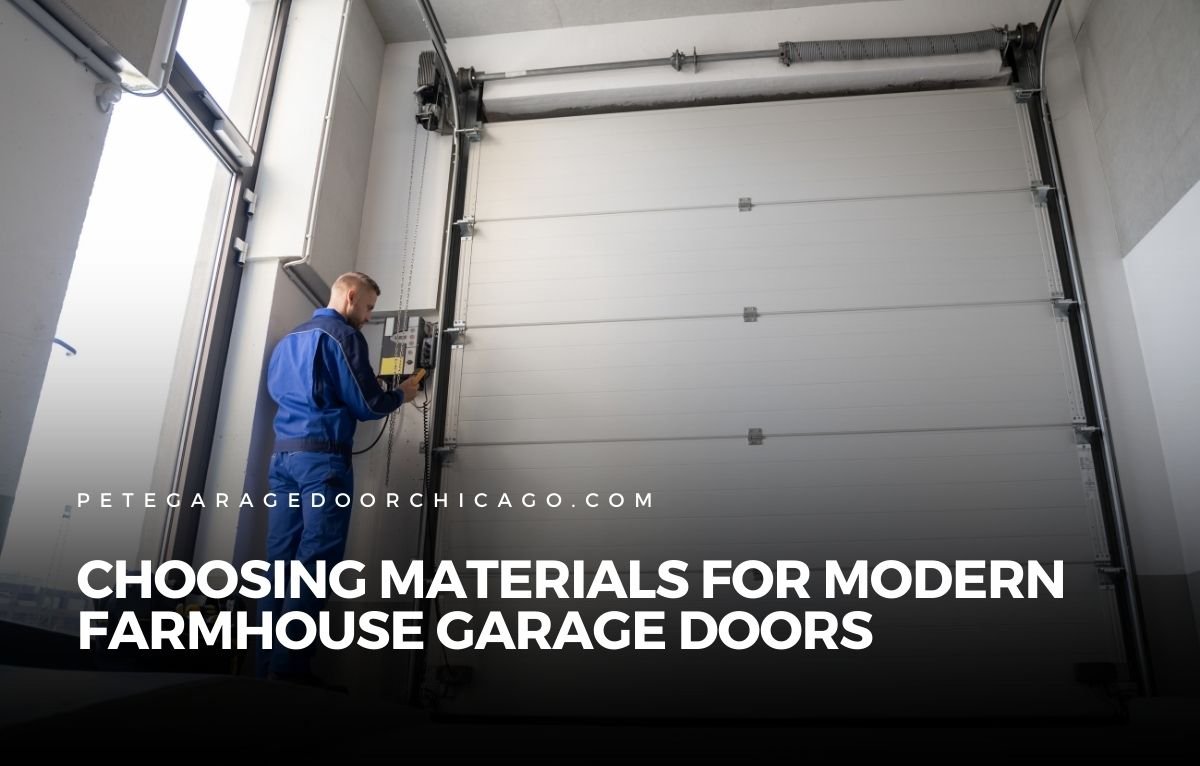
How an Energy‑Efficient Insulated Garage Door Improves Comfort Year‑Round

How an Energy‑Efficient Insulated Garage Door Improves Comfort Year‑Round

January 2026

How an Energy‑Efficient Insulated Garage Door Improves Comfort Year‑Round

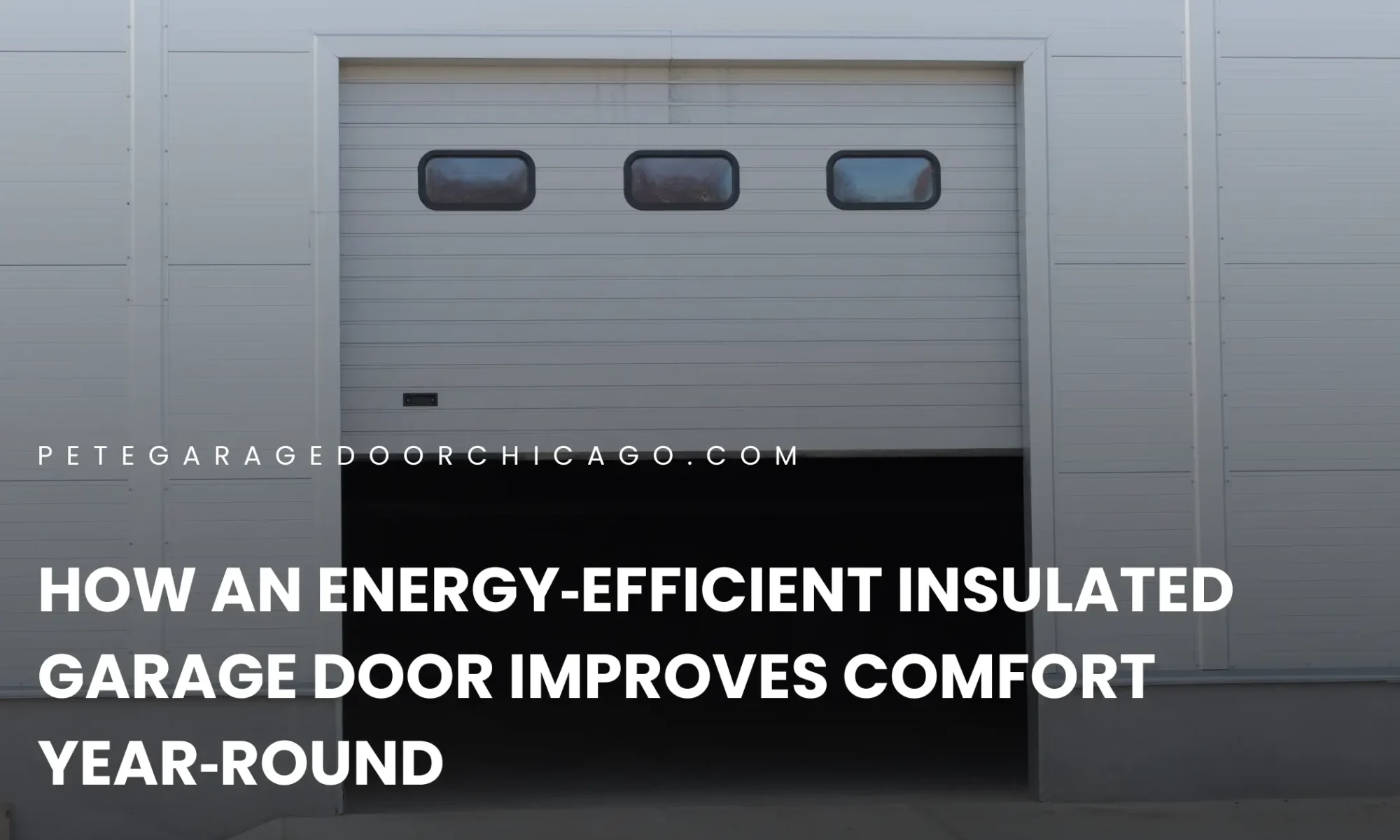
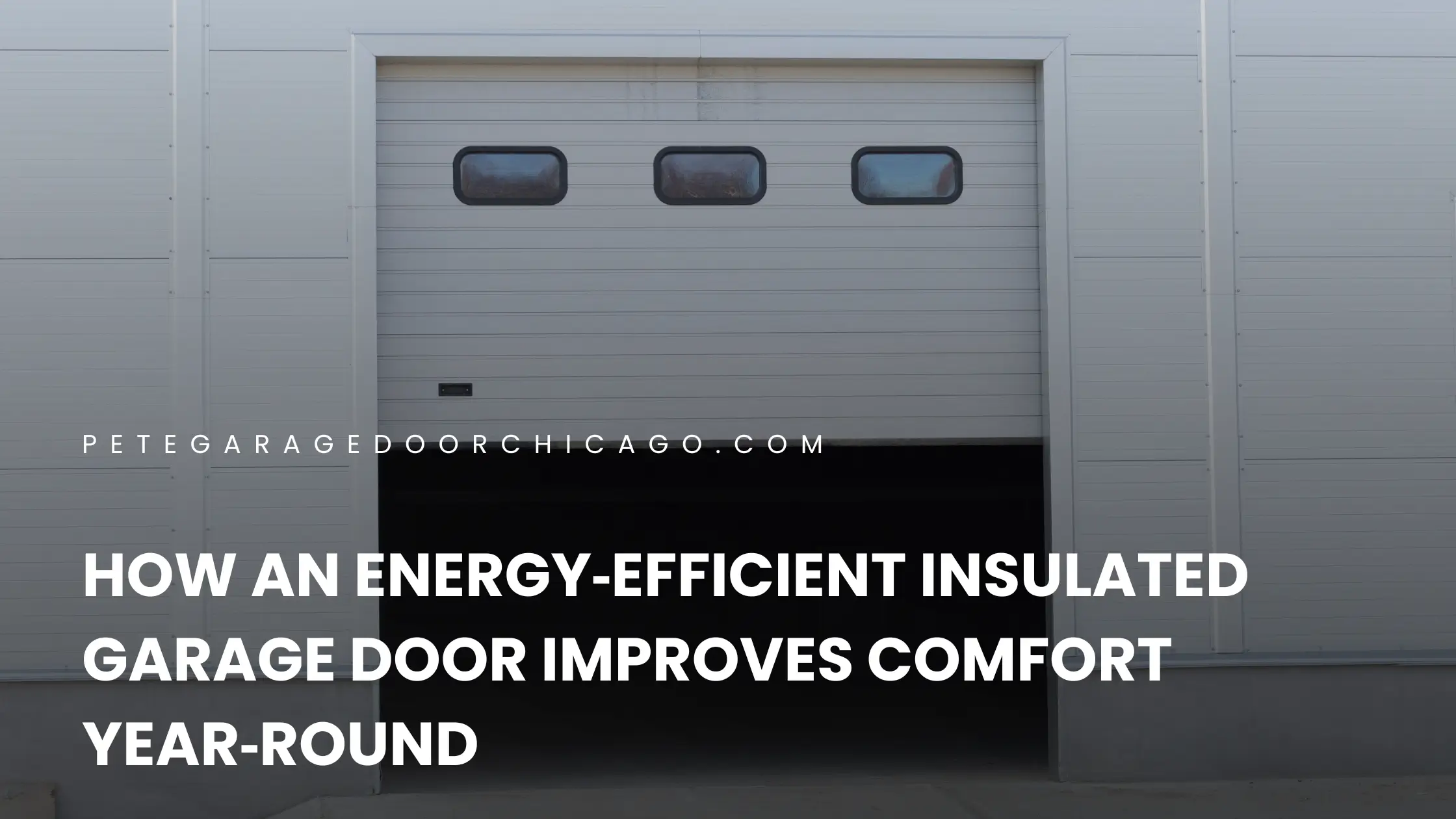
Your garage door plays a bigger role in your home’s comfort and energy performance than many homeowners realize. An energy‑efficient insulated garage door provides insulation that stabilizes temperature, improves comfort in adjoining spaces, and reduces strain on your heating and cooling systems.

With rising energy costs and more homes using garages as functional living or work areas, choosing a door with strong insulation makes daily life more comfortable and cost‑effective.

Insulated garage doors help keep outdoor air from leaking into the garage. This matters most in extreme heat or cold, but it also affects comfort throughout the year. 

When a garage shares a wall with living areas, laundry rooms, or storage space, an insulated door helps maintain a balanced interior temperature. The result is a garage that feels more controlled and a home that operates more efficiently.

The Role of Insulation in Garage Doors

Traditional garage doors are often made with basic panels that have little to no insulation. In many older homes, garages act like giant vents, allowing outdoor air to influence interior temperatures. An energy‑efficient insulated garage door adds a layer of thermal protection that reduces this effect.

Insulation materials typically include polyurethane or polystyrene cores sandwiched between steel or composite panels. These cores slow the transfer of heat and cold through the door surface. 

When temperatures fall or climb outside, an insulated door reduces the amount of outside air reaching the interior. While this does not replace dedicated HVAC systems, it supports them by reducing extreme temperature swings.

A garage that stays at a more stable temperature feels more comfortable and protects items stored inside. Tools, recreational equipment, and even vehicles benefit from reduced exposure to temperature extremes.

How Insulated Doors Affect Home Comfort

Beyond the garage itself, an energy‑efficient insulated garage door can influence spaces adjacent to the garage. If the garage shares walls with living areas, laundry rooms, or entryways, temperature control in these spaces often improves when the garage holds a steadier temperature. Extreme outdoor conditions have less influence on interior spaces when a properly insulated door acts as a buffer.

In winter, cold air leaking through an uninsulated door can cause frost to form on interior walls or create uncomfortable drafts in connecting rooms. In summer, hot air gets pulled in and places extra workload on any cooling system nearby. These effects are especially noticeable in homes with attached garages.

Even in garages that are used as workshops or hobby areas, insulation keeps the environment more pleasant year‑round. Better comfort encourages more consistent use, and people are more likely to choose insulated options when they plan to occupy the space regularly.

Energy Savings That Make a Difference

An energy‑efficient insulated garage door helps reduce energy loss and makes temperature control easier for your heating and cooling systems. When outside air seeps through a poorly insulated garage door, your HVAC system may run longer or work harder to maintain set temperatures in the home. Insulation helps lessen this demand.

Key energy benefits include:

  1. Reduced thermal transfer through the garage opening
  2. Lower energy demand on HVAC systems connected to adjacent spaces

These energy savings may not show up as dramatic monthly reductions on every home’s utility bill, but over time they add up. In climates with hot summers and cold winters, insulating the garage door reduces the extremes that force HVAC systems to compensate.

Insulated doors also contribute to overall home efficiency ratings. For homeowners looking to increase energy compliance or improve comfort scores, choosing an insulated door supports those goals.

Noise Reduction and Daily Use Comfort

Insulation also helps reduce noise from outside. Garage doors open and close frequently, and the daily sounds of traffic, hail, wind, or neighborhood activity can carry inside. An insulated door dampens sound slightly better than hollow steel panels. While it does not block every noise, it makes a noticeable difference in daily living spaces connected to the garage.

If family members use the garage as a workshop, gym, or storage area near bedrooms or living rooms, this added noise control enhances comfort. Sound reduction supports a quieter home environment by limiting how much outdoor noise travels beyond the garage.

Design Choices With Insulated Doors

Energy‑efficient insulated garage doors are available in many styles and finishes to match home architecture. Options may include:

  • Smooth or textured panel styles
  • Window inserts for light and design interest
  • Color choices that coordinate with siding, trim, and roof tones

These design options allow homeowners to enjoy both functionality and visual appeal. A door that performs well and fits the home’s exterior aesthetic increases curb appeal and supports long‑term enjoyment of the property.

Choosing the Right Level of Insulation

A well‑installed energy‑efficient insulated garage door operates smoothly and performs as expected. Proper installation includes correct alignment of tracks, balanced springs, and secure weather seals. Weather seals reduce air infiltration at the bottom and sides of the door, helping the insulation do its job.

Routine maintenance of the tracks, rollers, and opener supports long‑term performance. Insulated doors may require periodic cleaning of surfaces and inspection of seals to make sure they remain effective. Simple care keeps the door operating efficiently and protects residential comfort.

Installation and Long‑Term Use

Garage door insulation is often rated by R‑value, which measures how well a door resists heat flow. Higher R‑values indicate stronger insulation and greater resistance to thermal transfer. Choosing the right level depends on how you use your space and how connected the garage is to living areas.

For garages that are detached or rarely used, moderate insulation may be sufficient. For attached garages or spaces used frequently, higher R‑values improve comfort and system performance. In climates with wide seasonal temperature swings, more insulation helps create stability year‑round.

Homeowners should consider insulation needs based on use patterns, climate, and adjacent living spaces. Consulting a professional can help identify the best choice for long‑term performance and comfort.

Living With Insulated Comfort Every Season

An energy‑efficient insulated garage door changes how a home feels across seasons. In winter, it reduces cold spots and drafts. In summer, it helps block heat transfer. In spring and fall, it moderates temperature shifts that would otherwise influence adjacent rooms.

This consistent comfort encourages more functional use of garage space and reduces the impact of weather changes on the home’s interior environment.

Choosing Comfort and Efficiency

Investing in an energy‑efficient insulated garage door strengthens your home’s ability to maintain stable temperatures, improves comfort, and supports daily use without frequent temperature shifts. These doors improve energy performance, resist noise, and add design versatility that complements your home’s exterior style.

For support selecting and installing the right insulated garage door for your home, Peter and Sons Construction can help. From choosing materials to ensuring professional installation, the team works with Chicago‑area homeowners to deliver comfort, energy savings, and curb appeal that lasts.

You might like these
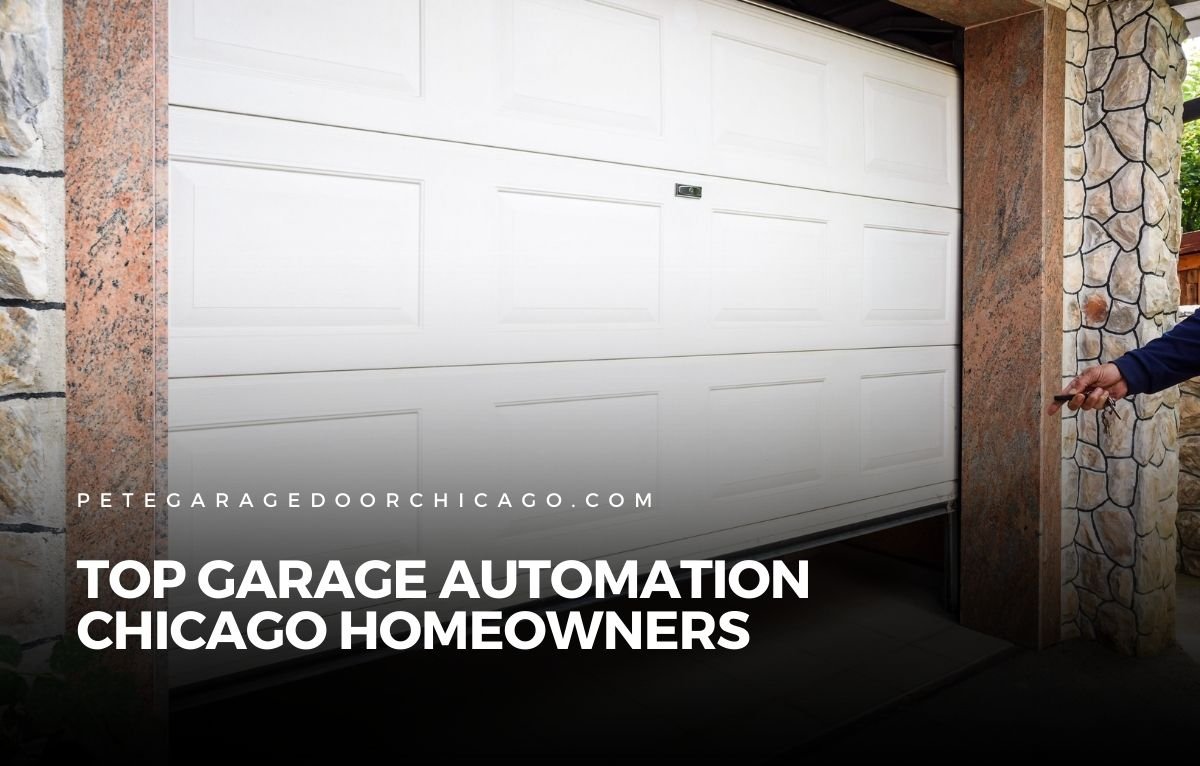
What Homes Pair Best With Black Steel Garage Doors

Black Steel Garage Doors

January 2026

Black Steel Garage Doors

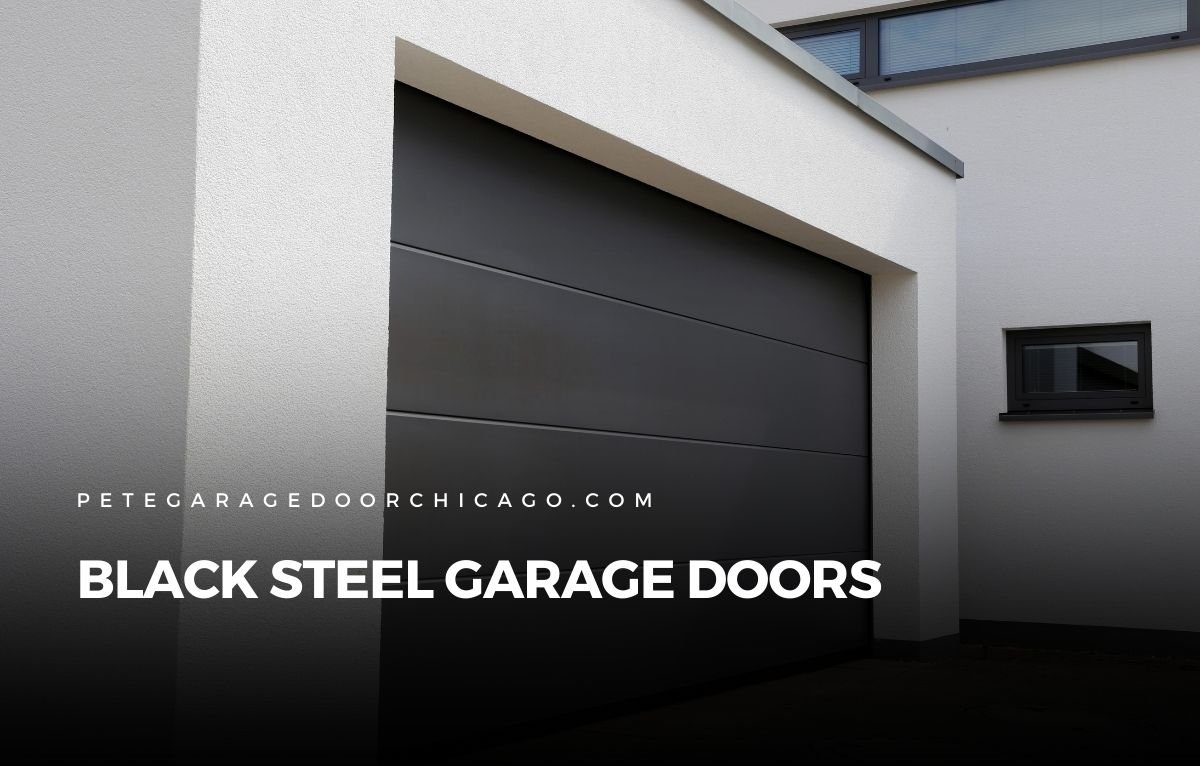
Choosing the right garage door can transform a home’s exterior, and black steel garage doors are becoming a favorite for their striking, bold presence. These doors combine crisp lines with a deep, rich tone that adds modern flair to many architectural styles. 

Unlike lighter colors that recede visually, black steel doors anchor the facade and create contrast with siding, trim, and landscaping. This look works particularly well for homeowners who want a garage that feels integrated with the home’s overall design, not just a functional afterthought.

Black steel garage doors also fit a wide range of materials and styles. From classic brick homes to sleek contemporary builds, the right garage door choice brings visual balance and depth. 

Because steel is inherently strong and often low maintenance, the material pairs well with designs that value durability alongside style. When selected thoughtfully, a black steel garage door enhances curb appeal and reinforces architectural intention.

Architectural Styles That Complement Black Steel Garage Doors

Black steel garage doors can enhance many types of homes, but some architectural styles tend to pair with them especially well.

1. Modern and Contemporary Homes

Modern homes with flat planes, straight lines, and minimal ornamentation are natural fits for black steel garage doors. The sharp contrast of black against lighter exterior finishes like white stucco, pale brick, or light wood siding creates a bold silhouette. Large glass windows and simple landscaping further highlight the clean look, making the garage door a strong design feature rather than a background piece.

2. Industrial‑Influenced Residences

Homes with industrial cues—exposed materials, steel accents, and utilitarian details—pair well with black steel garage doors. These doors echo the aesthetic of black metal frames, concrete accents, and dark trim, giving the exterior a cohesive and intentional look. 

In neighborhoods with repurposed warehouse homes, loft conversions, or contemporary builds that pull from industrial design, a black steel garage door reinforces the theme.

3. Transitional Exteriors

Transitional homes blend traditional structures with contemporary updates. For these homes, black steel garage doors serve as a bridge between classic and modern elements. The bold color adds a fresh edge, while the steel material keeps the door grounded and practical. 

Transitional homes often mix materials like stone, wood, and siding. A dark garage door offers a neutral yet dramatic counterpoint that frames the design.

Because steel can be finished with subtle texture or sheen, it adapts to many tones and materials without clashing.

How Materials and Finishes Work With Black Steel

Choosing materials and finishes that work with black steel garage doors supports both function and form. Steel is known for strength, but the finish you choose affects how the door ages and reacts to light.

Material and finish options to consider include:

  1. Matte or satin black finishes — These reduce glare and keep reflections soft, which pairs well with modern aesthetics.

  2. Textured steel — A light texture can add depth to the surface and help hide minor scratches or dust.

  3. Contrasting trim — Light trim around the door opening (white, cream, or natural stone) highlights the black surface without making it feel heavy.

Steel doors also integrate well with glass accents, wood overlays, or mixed materials. For example, adding horizontal glass panels near the top of a black steel door introduces light to the garage interior and softens the visual weight. Wood trim elements placed nearby can warm the exterior without diminishing the modern impact of the door.

Selecting a finish that complements your home’s tones and materials helps unify the design and avoids a look that feels disconnected or out of place.

Color and Landscape Pairing

Black steel garage doors can be bold, but the surrounding colors influence how dramatic the effect feels. Light exterior colors—like pale grays, white, and muted beiges—offer high contrast that makes the door stand out. Darker homes with charcoal or deep blue siding still pair well with black doors, especially when trim or accent features create layered tones.

Landscaping also contributes to overall visual balance. Green foliage, stone walkways, and natural wood elements pop against a dark garage door. Groupings of plants with lighter flowers or ornamental grasses help soften the strong visual presence of black steel, making the front elevation feel livelier and more inviting.

If your home’s facade has multiple materials, consider which ones will sit near the garage opening. Brick or stone with warm undertones can balance the cool strength of black steel. Thoughtful color coordination ensures the garage door feels like a designed piece of the whole.

Functional Benefits of Steel

Beyond its aesthetic role, steel is a strong performer for garage doors. Homeowners who choose black steel garage doors often value durability and straightforward care. Steel resists dents better than softer materials and generally requires little more than periodic cleaning with mild soap and water to maintain its appearance.

Steel also works well with insulation. Insulated steel garage doors help regulate temperatures inside the garage, which matters if the space is attached to living areas or used as a workshop. Strong insulation helps reduce heat loss in winter and keeps the space more comfortable in summer.

Another practical benefit is the material’s compatibility with motorized openers. Steel doors are heavy enough to feel solid but not so heavy that they strain standard opener systems when properly balanced and installed. That makes steel a versatile choice for everyday use.

Choosing Details That Match Your Style

Hardware and detail choices help define how a black steel garage door feels against your home’s architecture. Simple, low‑profile handles and hinges support clean, modern looks. More substantial hardware in black or bronze can echo traditional farmhouse or craftsman styles while still keeping the overall door surface sleek.

Glass panel layouts are another detail that influences style. Narrow horizontal windows across the top keep the lines clean and unobtrusive. Larger panes with minimal framing can make the space feel wider and bring light into the interior. These choices depend on how much natural light you want inside the garage and how the exterior looks from the street.

Hardware finishes that match other exterior accents—such as light fixtures, door handles, or window frames—help create a cohesive design language that ties the whole house together.

Installation and Long‑Term Performance

A professional installation supports both style and longevity. Black steel garage doors require precise alignment, balanced springs, and secure hardware to operate smoothly over time. Improper installation can lead to uneven wear, noise, or alignment problems that affect both function and appearance.

Routine maintenance focuses mainly on tracking, weather seals, and lubrication of moving parts. Steel surface care is minimal, usually involving periodic cleaning and inspection for surface dust or debris. That low maintenance level is one reason homeowners appreciate steel when paired with dramatic finishes like black.

 Black Steel Garage Doors

Black steel garage doors bring bold design and reliable performance to many architectural styles. They work with modern, transitional, and industrial‑influenced homes, adding a strong visual statement that enhances overall exterior design. 

The material’s durability and low maintenance support long‑term satisfaction, and thoughtful pairing with colors, trim, and landscape ensures a cohesive look.

If you are considering new garage doors and want help selecting materials, finishes, and styles that work with your home’s architecture, professional guidance can make the process easier and more confident. Peter and Sons Construction offers experienced support in exploring garage door options and ensuring quality installation tailored to your design goals and functional needs.

You might like these

Why Panoramic Garage Doors Are Gaining Attention

Panoramic Garage Doors

January 2026

Panoramic Garage Doors

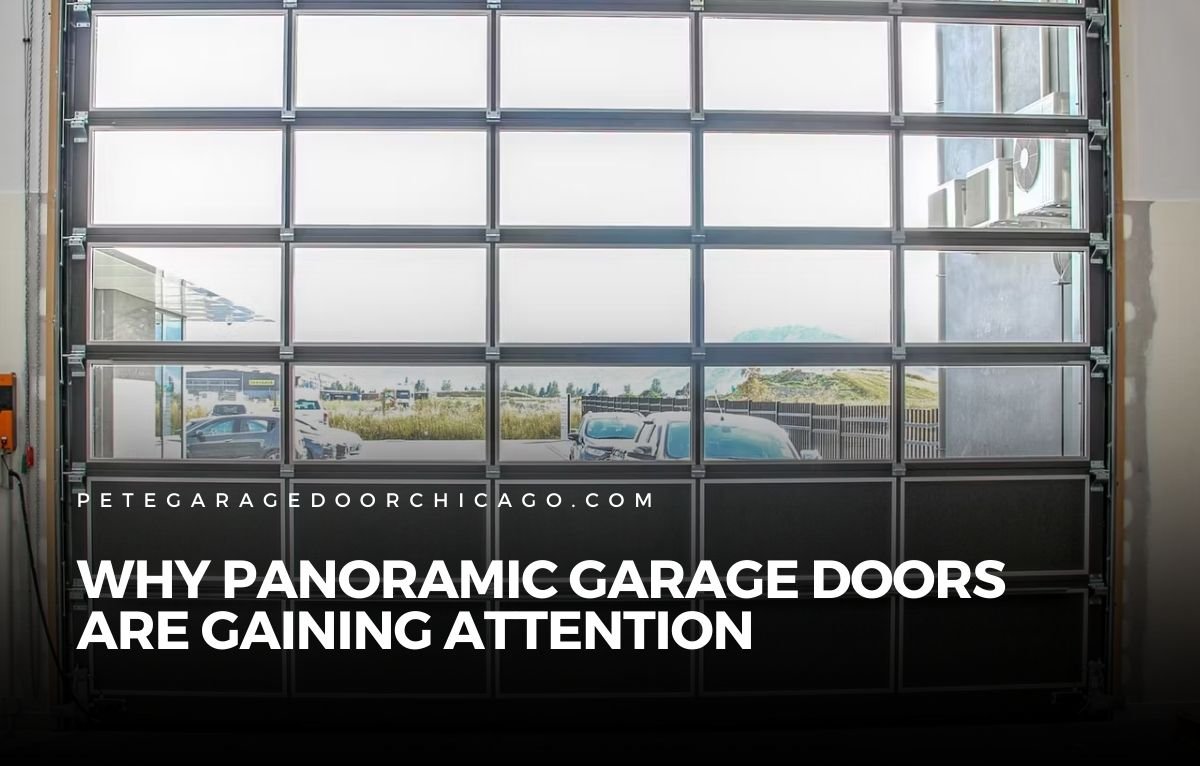
Home design trends continue to evolve, and among the emerging choices homeowners are considering are panoramic garage doors: striking, light‑filled doors that redefine how a garage looks and feels. 

Unlike traditional doors with solid panels, panoramic options feature large glazed areas that create a visual connection between indoor and outdoor spaces. This design choice supports a cleaner exterior profile while introducing brightness and openness into the garage environment.

As residential architecture embraces wider glass and simplified lines, panoramic garage doors have become a natural complement. They support modern aesthetics and accommodate multifunctional use of garage space, making them appealing for homeowners who want more than a utility area. From design impact and daily usability to long‑term value, these doors are capturing attention and gaining ground in contemporary home upgrades.

Visual Impact and Design Appeal

One of the major reasons panoramic garage doors attract interest is the dramatic effect they have on a home’s facade. Large glass sections framed in metal or wood create a clean, uninterrupted plane that aligns with minimalist and modern architectural styles. The transparency of glass also allows natural light to enter the garage, which softens shadows and makes the space feel more inviting.

For homes with outdoor patios, gardens, or decks adjacent to the garage, panoramic garage doors can visually expand the living area. 

When open, the boundary between the indoor and outdoor spaces becomes flexible, creating a seamless flow that supports entertaining or everyday routines. When closed, the reflective glass enhances the home’s curb appeal, making the garage door an architectural statement rather than a purely functional element.

The design appeal of panoramic doors can also extend to interior aesthetics. A glass garage door can turn a workshop, gym, or hobby space into a bright, comfortable room that feels connected to the landscape. That visual continuity is one reason why designers and homeowners alike have embraced this concept.

Materials and Construction Choices

Selecting the right materials for panoramic garage doors influences both appearance and performance. Most popular designs pair tempered or insulated glass with frame options like aluminum or steel. These materials provide strength and stability while keeping the look sleek and modern.

Here are the most common material options used today:

  1. Aluminum frames with high‑grade glass panels — Lightweight and corrosion‑resistant, aluminum supports large glass openings without adding excessive weight.
  2. Steel frames with reinforced glass inserts — Strong and sturdy, steel can support larger configurations and offers a more industrial look when paired with expansive glazing.

Glass choices also vary. Clear glass maximizes light and transparency, which works well for garages used as workspaces or studios. Frosted or tinted glass adds privacy while still allowing light in, making it a good fit for more traditional street‑facing garage positions. Impact‑rated glass is another option for areas where safety and durability are a priority.

Advanced glazing technologies improve thermal performance and reduce condensation. For example, double‑pane insulated glass helps maintain stable temperatures inside the garage and can improve energy efficiency if the garage is attached to living spaces.

Practical Benefits in Everyday Use

Panoramic garage doors are visually striking, but their appeal goes beyond aesthetics. They also bring practical benefits that enhance daily use. One of the most obvious advantages is increased natural light. A space that once felt enclosed can become bright and airy, reducing reliance on artificial lighting during the day.

In cold climates or long winter months, light from glass panels can help make the garage feel less closed off. For homeowners who spend time in the garage for hobbies or projects, this light can improve comfort and reduce eye strain.

Another benefit is flexibility of use. Panoramic garage doors support a range of functions, such as entertaining guests, extending living areas into backyards, or creating a dedicated workshop that feels more like a home studio. The ability to open up wide creates a connection to outside spaces that traditional doors cannot match.

While panoramic glass doors can be more expensive than standard options, many homeowners find the investment worthwhile because of the increased usability and visual impact.

Installation Considerations and Performance

Installing panoramic garage doors requires careful planning. Because these doors feature large glass areas, structural support must be precise to ensure smooth operation and long‑lasting performance. Professional installation helps guarantee that the door is balanced correctly and moves reliably.

Installation steps often include:

  • Precisely measuring the opening to fit large glass panels and frames
  • Confirming structural support in the header and framing to carry the weight of glass and metal
  • Aligning tracks and opener mechanisms for seamless motion

Correct installation also ensures that weather seals and insulation are properly integrated. Even if the primary purpose of the garage is storage, sealing gaps around a panoramic door can help reduce drafts and protect contents from moisture or extreme temperatures. For attached garages or spaces used as living areas, this attention to detail becomes especially important.

Because glass conducts temperature differently than solid panels, choosing insulated or thermally broken frames can help improve energy performance. These measures reduce heat loss in winter and heat gain in summer, making the space more comfortable and energy efficient.

Privacy, Security, and Insulation

One concern some homeowners have about large glass doors is privacy. The good news is that modern solutions include glass treatments that balance visibility and seclusion. Frosted, tinted, or patterned glass offers privacy while retaining light entry. Some homeowners also install shades or screens to control visibility on demand.

Security is another consideration. Panoramic garage doors can be secured with high‑quality locking systems and reinforced glass units. Many modern doors use impact‑resistant or laminated glass, which holds together if stressed and resists forced entry more effectively than standard glass.

Insulation plays a role in comfort and energy efficiency. A garage with a well‑insulated panoramic door will hold temperature more consistently than one with single‑pane glass and no thermal break. Good insulation reduces strain on heating and cooling systems, which can matter when the garage connects to the home.

Design Trends and Customization

Panoramic garage doors are part of a broader design movement that values openness and light. They are frequently paired with wide entryways, large window systems, and outdoor living spaces, creating a cohesive flow across the home’s exterior.

Customization options add personality to panoramic doors. Frame finishes can range from matte black or charcoal gray to metallic tones that coordinate with other exterior elements like window frames or outdoor lighting. Glass types can be selected based on opacity, color, or impact resistance.

Design details such as integrated horizontal mullions or grid lines bring visual rhythm to the door without overwhelming simplicity. Some homeowners choose coordinated hardware finishes that echo their front entry door or garage handles, tying the design together.

These details help panoramic garage doors feel tailored to the home’s overall aesthetic, rather than an isolated feature.

Balancing Style and Function

Homeowners selecting panoramic garage doors should think of them as an investment in both form and function. The visual openness they provide can transform how a garage is experienced. Light enhances usability, materials influence how the door performs long term, and thoughtful customization supports exterior harmony.

Careful planning ensures that the design goals align with performance needs. Modern panoramic doors may require higher upfront investment, but many homeowners feel that the combination of usable space, enhanced natural light, and elevated curb appeal makes them a worthwhile addition.

Embracing a Panoramic Approach

As architectural tastes evolve toward open designs and indoor‑outdoor connections, panoramic garage doors will continue to gain attention among home designers and owners alike. The focus on light, proportion, and material detail supports a vision of homes that feel less compartmentalized and more integrated with their surroundings.

This thoughtful blend of design and utility is why panoramic garage doors are becoming a distinctive choice in modern residential projects.

In exploring the possibilities and practicalities of panoramic options, homeowners can make choices that reflect their lifestyle, home architecture, and long‑term goals.

Modern Style and Everyday Ease

Panoramic garage doors represent a growing preference for openness, clarity, and stylish performance in home design. Their expansive glass panels, modern lines, and potential for customization give homeowners a way to elevate daily living while embracing contemporary architectural values.

If you are ready to explore panoramic garage doors for your home, Peter and Sons Construction offers expert guidance and professional installation. Their team helps homeowners find the right door solutions for style, performance, and long‑term satisfaction.

You might like these

Choosing Materials for Modern Farmhouse Garage Doors

Choosing Materials for Modern Farmhouse Garage Doors

January 2026

Choosing Materials for Modern Farmhouse Garage Doors

When homeowners decide to upgrade or replace their garage doors, modern farmhouse garage doors are often at the top of the list. That style blends a relaxed, rustic feel with clean contemporary lines that complement a wide range of home exteriors. 

Choosing the right materials for these doors affects how they look, how long they last, and how well they perform through changing weather and daily use.

Material selection can influence maintenance needs, durability, cost, and energy efficiency. For modern farmhouse garage doors, this choice is especially important because the right material supports the signature aesthetic while meeting practical needs. 

Whether you want a door that echoes wood tones or one that offers sleek, low‑maintenance performance, understanding your options helps you make the best decision for your home.

What Defines a Modern Farmhouse Look

The modern farmhouse style brings together traditional warmth and contemporary simplicity. That means garage doors with textures and tones that feel natural and inviting, combined with simple panel layouts and clean edges. 

Materials that offer subtle grain or soft, earthy colors tend to work well. At the same time, homeowners increasingly want doors that stand up to weather, require less upkeep, and provide good insulation.

Matching the materials of your modern farmhouse garage doors to the rest of your home’s exterior gives you a cohesive look. A home with stone or board‑and‑batten siding pairs beautifully with wood‑style finishes. A more contemporary home with stucco or metal accents may benefit from smooth steel or glass inclusions.

When choosing materials, consider how they will age over time, how much maintenance they require, and how they influence your overall design goals.

Common Materials Used Today

Garage door materials vary widely in performance and appearance. Some emulate traditional wood while offering better durability. Others prioritize strength and resistance to dents and weather. Below are the most common materials used for modern farmhouse garage doors:

  1. Steel
    Steel is strong, widely available, and often more affordable than wood. It can be painted or textured to mimic wood grain, offering versatility and a solid surface that resists impact and warping. Insulated steel doors also help with energy efficiency, making them a practical choice for garages connected to living spaces.

  2. Composite Wood Grain
    Composite materials bring the warmth and texture of wood without the maintenance real wood demands. These engineered panels resist moisture and cracking while giving you a surface that sells the farmhouse aesthetic. Composite is a strong contender for homeowners who want a wood look but prefer lower upkeep.

  3. Real Wood
    Natural wood panels have an authentic feel that many homeowners love. Species like cedar, redwood, or knotty pine offer rich tones and grain patterns. Wood requires periodic staining or sealing to protect it from weather, but it can provide classic farmhouse charm that is hard to replicate.

  4. Aluminum and Glass
    For a more contemporary twist on the farmhouse theme, aluminum frames with glass inserts can create a modern yet rustic feel. These doors let in natural light, which adds a sense of openness to the garage and complements interior spaces when the garage is used as a workshop or multipurpose room.

Each of these materials has its own benefits. Steel and composite are typically easier to maintain, while real wood offers unmatched character. Aluminum and glass deliver light and a sleek aesthetic, especially for homes that combine farmhouse cues with modern design elements.

What to Think About With Each Material

Once you know the main material categories, the next step is to think about practical considerations tied to your climate, lifestyle, and aesthetic priorities.

Durability and Weather

Consider your local climate and how materials perform under heat, cold, rain, and snow. Steel and composite resist most warping and cracking from temperature changes. Real wood may need regular sealing to prevent moisture damage. Aluminum and glass doors need strong framing to hold up in windy or stormy conditions.

Maintenance

Steel and composite typically require the least maintenance. A periodic wash and inspection are usually enough. Wood demands more attention, with regular sealing or staining to protect from moisture and insects. Glass elements should be cleaned regularly to keep them clear and streak‑free.

Insulation and Energy Efficiency

If your garage is attached to your home or is used for work or storage, insulation becomes important. Insulated steel and composite doors help moderate temperature swings, reduce noise, and lower energy costs. Wood can be insulated as well, but needs careful sealing to prevent drafts.

Cost

Budget plays a role. Steel and composite doors are often less expensive upfront than wood. Aluminum with glass tends to be at the higher end of the price range, especially with custom glass and frame options. Factor in long‑term costs too, such as maintenance and lifespan, when comparing choices.

Choosing a Finish and Color

The finish influences how a material looks and how it responds to wear. For modern farmhouse garage doors, finishes range from painted steel to stained wood or textured composite. Neutral tones like white, cream, gray, and soft wood hues are common. These colors pair well with stone, board‑and‑batten siding, and brick.

Textured finishes help hide minor scratches or marks, which is useful for doors that see heavy use or kids and pets coming and going. Matte or satin finishes soften glare and offer a more natural look compared to high gloss.

Hardware also plays a role. Decorative handles, hinges, or straps should be chosen with the material in mind. Dark metals like black iron or bronze bring contrast against lighter surfaces and support a classic farmhouse feel.

Matching Materials to Your Home’s Architecture

Your choice of materials for modern farmhouse garage doors should echo the details and lines of your home. If your home’s exterior has vertical board patterns or mixed materials like stone and wood, your door should coordinate with those elements. 

For example, a composite door with woodgrain texture complements wood siding, while a steel door in a rich neutral shade supports homes with stone facades.

For homes with contemporary leanings, mixing materials can work well. Aluminum and glass look modern, but pairing them with warm, wood‑tone accents creates a balanced blend of farmhouse style and clean lines. The key is harmony; your garage door should feel like part of the design narrative.

How Material Choice Affects Long‑Term Performance

Over time, the material you choose influences how often repairs or maintenance are needed. Steel and composite doors are known for staying visually stable across years of use. Wood may develop small cracks or color changes, which can be part of its charm but requires care. Aluminum and glass require careful framing and sealing to keep out moisture and reduce noise from wind.

Look at warranty terms for materials and finishes. Longer warranties often signal confidence from manufacturers in the durability of a product. Choosing high‑quality materials and proper installation helps ensure your modern farmhouse garage doors remain functional and attractive for years.

Practical Installation Notes

Installation affects performance significantly. A well‑installed door operates smoothly, prevents drafts, and puts less stress on moving parts like springs and openers. Professional installers measure openings precisely, align tracks accurately, and make sure seals and insulation are correctly placed.

Material weight matters too. Heavy wood doors require robust hardware and openers that can handle repeated cycles. Lighter materials like composite or aluminum reduce strain on mechanical parts and often operate with quieter movement.

How Modern Farmhouse Garage Doors Fit Your Lifestyle

Modern farmhouse garage doors blend style and function, supporting both everyday use and design goals. Whether you park vehicles, use the garage as a workshop, or need storage space, materials that match your lifestyle help you get the most out of your investment.

Durability, ease of use, and design impact are all part of this decision. Align your goals with the materials that meet those needs, and your garage doors will contribute to both curb appeal and long‑term satisfaction.

Bringing It All Together for Your Home

Choosing materials for modern farmhouse garage doors starts with your design vision. It continues through practical decisions about weather, maintenance, and performance. When these elements align, your garage door becomes a visual asset that enhances your home’s exterior and supports everyday use for years.

If you want expert guidance on selecting and installing modern farmhouse garage doors that fit your home and lifestyle, Peter and Sons Construction offers personalized support and professional installation services.

You might like these

Top Garage Automation Chicago Homeowners Are Choosing

garage automation Chicago homeowners

January 2026

garage automation Chicago homeowners

Smart home technology has been making everyday life easier for years, and now it’s reaching garages. From automated openers to full systems controlled through mobile apps, garage automation that Chicago homeowners are investing in combines security, convenience, and efficiency. 

These systems aren’t just about opening and closing the door, they help manage who has access, monitor activity in real time, and ensure the garage is always closed when it needs to be.

For many in Chicago, the garage is used for more than just parking. It can be a workspace, storage area, or even a secondary entrance to the home. 

Automation makes it easier to manage all of those functions with less effort and better reliability, especially during busy or unpredictable weather days. With the city’s seasonal changes and urban lifestyle, smart garage upgrades are quickly becoming standard in modern homes.

Why Homeowners Are Turning to Garage Automation

Automation solves a number of everyday problems. Homeowners no longer need to worry about lost remotes, wondering if the garage was left open, or having to run outside in bad weather to close it manually. These systems are designed to respond to voice assistants, smartphones, and even geolocation.

Beyond convenience, garage automation that Chicago residents are choosing provides peace of mind. Notifications can alert you if your garage opens unexpectedly, while real-time camera feeds offer another layer of visibility. Automation also lets you grant temporary access to family members, deliveries, or service providers without giving out keys or codes permanently.

Some systems even allow users to schedule opening and closing times, track usage history, or integrate with smart home hubs. These features are especially helpful for households where multiple people use the garage regularly or at different times of the day.

Most Popular Garage Automation Features in Chicago

Homeowners exploring garage automation options in Chicago often start with the same foundational features.

Common upgrades include:

  1. Smart garage door openers that connect to Wi-Fi and integrate with phones and voice assistants like Alexa or Google Assistant
  2. Motion-detecting security cameras placed inside or outside the garage for better visibility
  3. Automatic lights and sensors that activate when the door opens or motion is detected
  4. Battery backup systems that keep the garage functional during power outages
  5. Geofencing controls that trigger the garage door to open or close based on your phone’s location

Each of these features serves a practical purpose and adds a layer of convenience or safety. For example, battery backup becomes especially important during harsh winters when power outages are more common. Smart openers are helpful for households with teens or frequent guests, since access can be managed from anywhere.

Compatibility With Existing Systems

Many homeowners are surprised to learn that garage automation systems can often be installed without replacing the entire garage door. If the structure and opener are in good shape, smart add-ons can usually be integrated with minimal disruption.

Add-on controllers and retrofit kits allow you to keep your existing opener while gaining smartphone control. Newer openers often come with Wi-Fi capabilities already built in, but older systems can often be upgraded for less than a full replacement.

Before installing new tech, it’s helpful to review compatibility with your existing garage door system, opener model, and smart home devices. Most automation tools list what brands or versions they support, and many newer models are designed to work across multiple platforms.

Security Benefits of Automation

For homeowners in busy areas or homes with alley access, automation adds a layer of security that traditional openers don’t offer. Garage doors are a common entry point, and keeping them secure is essential.

With smart automation:

  • You can receive alerts if the door is left open too long
  • You can check door status remotely and close it from your phone
  • You can add temporary or scheduled access codes for visitors or deliveries

This level of control helps prevent break-ins, missed closures, or unintentional access. Homeowners in dense parts of Chicago often appreciate these tools for added peace of mind when they’re away or coming home late.

Energy Efficiency and Climate Control

For garages that share walls with the home or are used as workshops, climate control becomes more important. Automated systems help manage air flow and energy usage by ensuring the garage is only open when needed and sealed properly the rest of the time.

Some systems also tie into smart thermostats or home HVAC setups, allowing you to monitor conditions inside the garage and adjust as needed. In a city with long winters and humid summers, this helps reduce temperature fluctuations that could affect storage or cause energy waste.

What to Expect When Upgrading

Homeowners considering a smart upgrade often ask how long installation takes, what it involves, and if they’ll need to change how they use the garage daily. Most systems are designed to be intuitive and easy to set up.

The general process includes:

  1. Assessing your current garage system — opener type, age, and condition
  2. Choosing compatible automation tools — smart openers, cameras, sensors, etc.
  3. Professional installation or DIY setup — depending on the system and comfort level
  4. Connecting to Wi-Fi and mobile apps — to access all controls and features

With most major brands, users can control the system from a smartphone app, and setup typically takes less than a day with professional help. App interfaces guide you through settings and preferences so you can personalize access, alerts, and schedules.

What’s Ahead for Garage Automation in Chicago

As smart home technology continues to grow, homeowners in Chicago can expect more advanced options in the coming years. Features like AI-based access detection, biometric entry, and full integration with home energy systems are already in early stages and may soon become standard.

Garage spaces are also being reimagined as hybrid spaces — not just for storage or parking, but as fully connected extensions of the home. That shift will keep automation front and center for homeowners looking to improve everyday life through technology.

Smarter Garages Start With the Right System

Choosing the right garage automation Chicago homeowners rely on comes down to balancing convenience, safety, and compatibility with your lifestyle. From remote access and activity monitoring to automated lighting and real-time alerts, automation makes daily routines easier and homes more secure.

For help selecting and installing the best system for your needs, Peter and Sons Construction offers professional support. Their team works with Chicago homeowners to upgrade garage setups with tools that match your schedule, layout, and long-term plans.

You might like these

sabung ayam online

sv388

sbobet88

casino online

scatter hitam

server thailand

mikitoto

pintuplay

slot thailand

slot server thailand

slot777

garuda69

sbobet88

sv388

togel hongkong

mahjong ways 2

Mahjong ways 2

sv388

casino online

BESTTOGEL

BESTTOGEL

scatter hitam

casino online

sabung ayam online

judi bola online

live casino online

mahjong ways

hk pools

SABUNG AYAM ONLINE

SLOT MAHJONG

APK SLOT

SLOT MAXWIN

visitorbet

i8live

i8live

sbobet88

judi basket

sabung ayam online

slot mahjong

mahjong slot

slot777

slot mahjong

sabung ayam online

judi bola online

live casino online

judi bola

sabung ayam online

slot mahjong

Mahjong Ways 2 Mendadak Gacor ! Pola Scatter Cepat Ini Lagi Ramai Dipakai

baristabogota.com

buffetbogota.com

cateringeventos.com

cattleyaeventos.com

cocoaeventos.com

coctelesyeventos.com

daiquiricocktailbar.com

elgranbartender.com

elianahernandez.com.co

escortsenbogota.com

fiestadematrimonio.com

fiestasdematrimonio.com

gigolosenbogota.com

grupoempresarialbaen.com

justmarried.com.co

limopartybogota.com

luxuryeventos.com.co

panelaorganica.com.co

pijamasbogota.com

sexshopcolombia.com.co

sextourbogota.com

showsbogota.com

siluetasytonos.com

simondice.com.co

sipirili.com.co

stripperbogota.com

swingerpartybogota.com

uniformesbogota.com

weddingcolombia.com.co

xn--fiestasde15aos-1nb.com

centro-occidente.coneicc.org.mx

mancomunidad.org

ccfdchildcare.com

www.sasrourissol.fr

www.loucaloun.fr

luxuryeventos.com.co

biopreventative.com

www.beton-cire-13.fr

qhiresolutions.com

cptrekking.com.br

bullandbeartravels.co.tz

cattleyaeventos.com

ablaw.vn

www.mishofamarwah.sch.id

grupoempresarialbaen.com

sherleyskin.com

www.adnmart.com

algnutrastore.com

anigeouscosmetics.com

aqua-dotterel-346593.hostingersite.com

bariahouselifting.com

blazeremedies.in

friendspackermovers.com

gravityprints.com

herbalpowerindia.com

homeheartindia.com

kalanishtha.com

kanhapolyfab.com

muzaffarpurgaushala.org

myratrendz.com

northpackindia.com

orchiddecorcrafts.com

orientaltrimex.com

rainurail.com

royalblue-antelope-713279.hostingersite.com

sharprintech.com

thathardwarestore.com

xtronindia.com