February 26, 2026
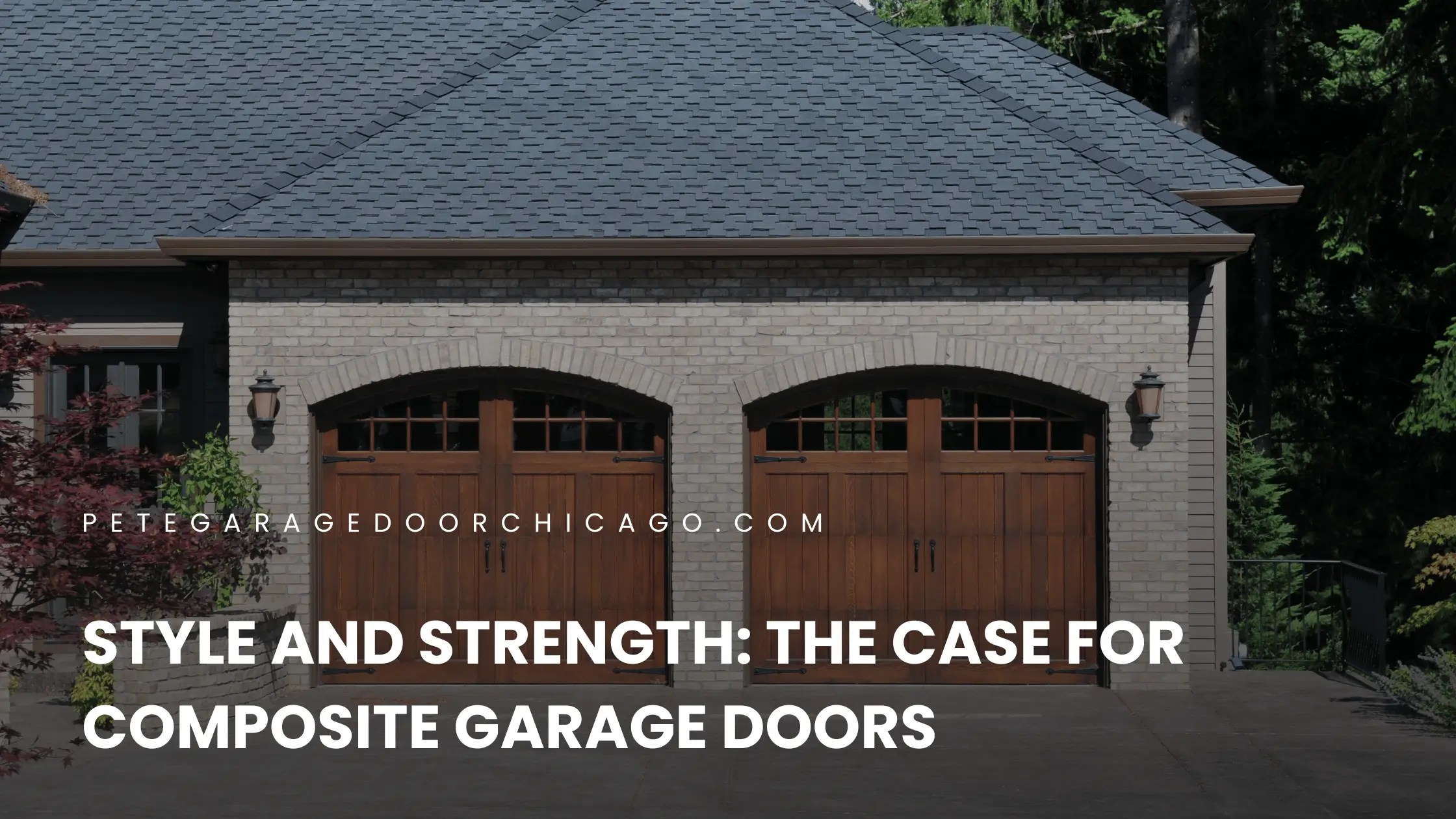
Garage doors affect more than just your home’s appearance. They influence energy use, security, and even property value. In a city like Chicago where the weather shifts quickly and dramatically, material choice matters. Homeowners want something durable enough to withstand the elements, yet stylish enough to complement modern home design. Composite garage doors offer a reliable solution.
With the look of natural wood and the strength of engineered materials, composite doors meet a wide range of practical needs. Their layered construction holds up well against moisture, impact, and daily use, while their exterior can be customized to match a variety of architectural styles. This combination makes them a great fit for homes across different Chicago neighborhoods.
It’s easy to see why interest in composite garage doors in Chicago continues to grow. They provide long-term durability and low-maintenance performance, all while enhancing curb appeal.
What Exactly Is a Composite Garage Door?
Composite garage doors are built using a blend of materials—often wood fibers, plastics, and resins—engineered to create a strong, stable surface. These materials are pressed or molded into panels that replicate the grain and tone of real wood, giving the door a premium appearance without the typical upkeep. The inside structure often includes a steel core or insulated layer for added strength and energy efficiency.
Unlike traditional wood doors, composites won’t warp, rot, or absorb moisture. That matters in climates with temperature swings and frequent precipitation. It also means fewer repairs and less frequent repainting or staining over time.
Why Composite Performs Well in Chicago
Chicago’s seasonal extremes call for garage doors that can handle rapid changes in heat, cold, and humidity. Composite doors offer a level of weather resistance that traditional wood can’t match. Their materials don’t absorb moisture, so they won’t swell or split during wet winters or humid summers.
Even better, many composite models include insulation built into the core. That helps stabilize indoor garage temperatures, reduce energy costs, and make attached garages more comfortable. For homeowners looking for a practical upgrade with lasting value, composite doors deliver on multiple fronts.
Design Styles and Finishing Options
While practicality matters, design is just as important to homeowners looking to make an exterior upgrade. One of the biggest draws of composite garage doors is their ability to match a wide variety of styles.
Popular composite door styles include:
- Carriage house panels with decorative hardware
- Traditional raised or recessed panels for a classic look
- Flush, minimalist surfaces for modern and contemporary homes
- Faux wood grain finishes in tones like mahogany, walnut, or cedar
Some models allow for window inserts, color-matching to home exteriors, and even custom stain tones. This flexibility makes it easy to get the visual appeal of wood without the ongoing care wood requires.
How Composite Compares to Other Garage Door Materials
Choosing the right material for your garage door isn’t just about looks. It’s also about how it functions over time and in the conditions where you live. Composite doors strike a balance between aesthetics and durability.
Steel doors are strong and low-cost but prone to denting and rust if not properly coated. Wood doors are beautiful but demand frequent care to prevent rot and cracking. Vinyl offers decent resistance to weather but lacks the premium appearance many homeowners want. Composite materials stand out because they combine the look of real wood with performance that holds up year after year.
What to Look for When Buying
If you’re exploring options for composite garage doors in Chicago, there are a few key factors that help determine long-term satisfaction.
Focus on these features during your search:
- Insulation rating: Especially important for energy efficiency in extreme weather
- Durability of the outer skin: Thicker skins resist dents and fading
- Reinforcement: A strong internal frame prevents sagging or twisting
- Compatibility with openers: Heavier doors may require stronger motor systems
- Warranty coverage: Good warranties indicate manufacturer confidence
Choosing the right model involves both style and performance. It’s worth checking whether your door’s hardware and opener system are compatible with the new material before installation.
Upkeep Is Minimal but Still Important
Composite doors require very little maintenance, but a few seasonal tasks can help keep them looking and functioning like new. Since the material doesn’t absorb water or swell, it doesn’t need to be sealed or stained like traditional wood.
Washing the surface a few times per year with a hose or mild soap can remove salt and grime buildup. You should also check the weather stripping at the bottom and around the frame to ensure a tight seal. Hinges and rollers still benefit from occasional lubrication with silicone spray to reduce wear and noise.
Why More Homeowners Are Making the Switch
Composite doors offer the appearance of high-end wood with the reliability of synthetic materials. In climates where wood might fail and steel might rust, composite holds strong. They deliver a premium look with less stress and lower maintenance costs over time.
For homes across the Chicago area, composite garage doors provide a smart upgrade. They resist the moisture, salt, and freeze-thaw cycles that take a toll on other materials. With design flexibility and practical durability, they’re an option that makes sense for both new construction and replacement projects.
If you’re planning a home improvement project or looking to improve the function and appearance of your garage, the team at Peter and Sons Construction can walk you through options that fit your goals. Whether you’re comparing materials or exploring energy-efficient features, their experience working with Chicago homeowners ensures the right fit.
You might like these