April 15, 2026
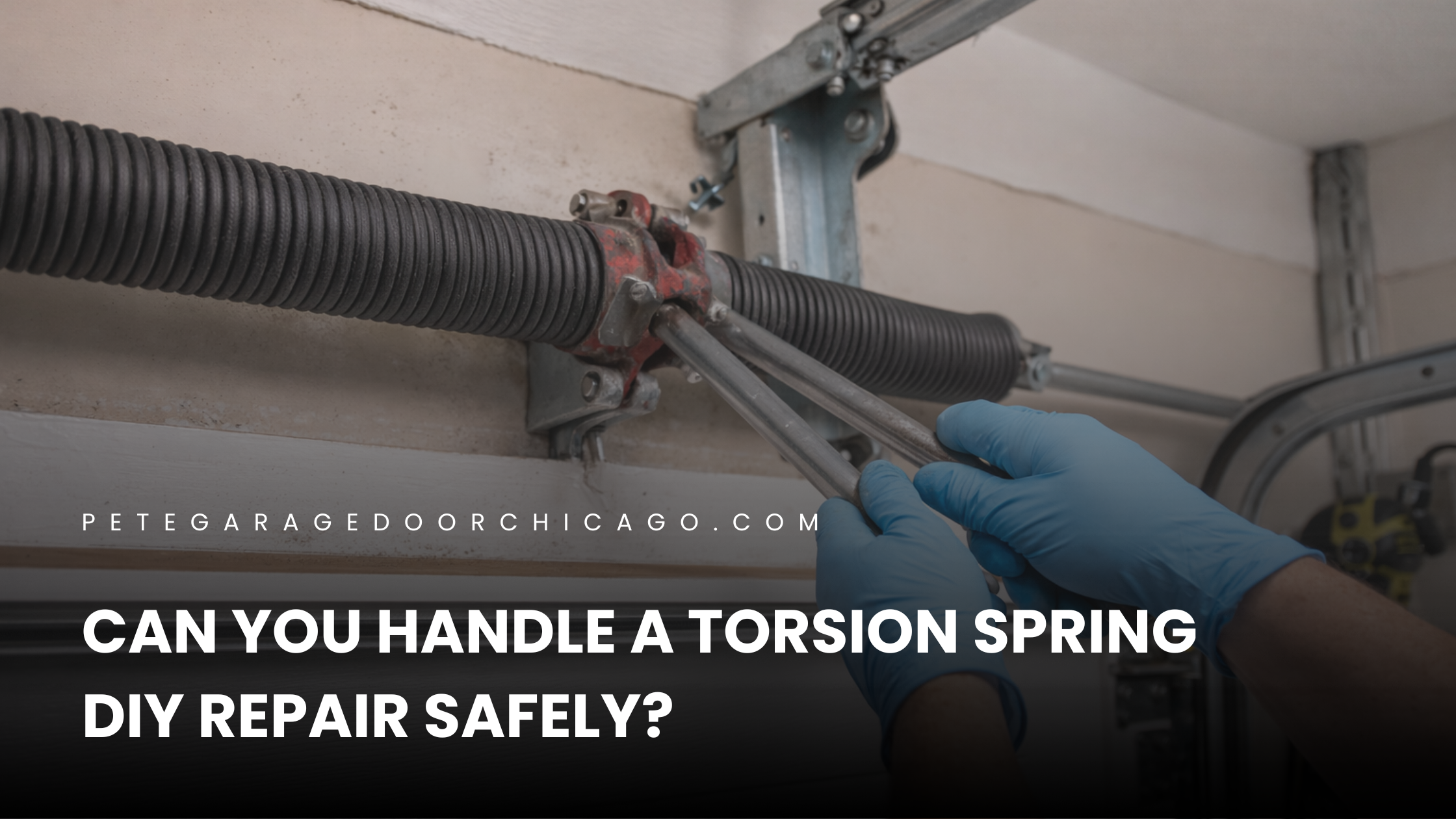
Garage doors rely on a system of parts working together, but few components carry as much tension and responsibility as torsion springs. These springs are mounted above the garage door and help lift and lower its weight smoothly. When they fail, the door may stop working entirely or become unsafe to operate. This leads many homeowners to consider a torsion spring DIY repair.
At first glance, replacing a spring may seem manageable. There are tutorials online, and the parts are available for purchase. But what many people do not realize is how much force these springs hold. A torsion spring is tightly wound and stores a large amount of energy. Releasing or adjusting that tension incorrectly can result in serious injury.
Understanding what’s involved in this type of repair helps you decide if it’s something you should attempt or leave to a professional.
How Torsion Springs Work
Torsion springs are installed horizontally above the garage door opening. When the door closes, the springs wind up and store energy. When the door opens, that energy is released to help lift the door’s weight.
This system allows the garage door opener to operate efficiently without carrying the full load. Without properly functioning springs, the opener would struggle or fail to lift the door.
Because torsion springs handle such a heavy workload, they wear out over time. Most are rated for a specific number of cycles, which means they will eventually need replacement.
Why DIY Repairs Are Risky
Attempting a torsion spring DIY repair involves working with components under extreme tension. Unlike many home repairs, this is not just about removing and replacing a part. It requires safely releasing tension, installing the new spring, and rewinding it to the correct level.
If the tension is released too quickly or unevenly, the spring can snap or spin unexpectedly. This can cause tools to slip or components to move with force. Injuries from these situations can include cuts, bruises, or more serious harm.
Another risk comes from incorrect installation. If the spring is not properly balanced, the garage door may open unevenly or place stress on other parts of the system. Over time, this can lead to additional damage.
Tools and Precision Matter
Torsion spring work requires specific tools that are not typically found in a standard home toolkit. Winding bars, secure clamps, and proper mounting hardware are all necessary for safe handling.
Using makeshift tools or skipping steps increases the risk of accidents. Precision is also important. The spring must be wound to the correct number of turns based on the door’s weight and size.
Even a small miscalculation can affect how the door operates. Too much tension can cause the door to lift too quickly, while too little tension can make it difficult to open.
Signs the Spring Needs Replacement
Before deciding on a repair approach, it’s important to recognize when a torsion spring has reached the end of its lifespan.
Common signs include:
- The garage door will not open or feels extremely heavy
- A loud snapping sound coming from the garage
- The door opens unevenly or jerks during movement
- Visible gaps in the spring coil
- The opener struggles or stops working
These signs indicate that the spring is no longer providing the support needed for smooth operation.
What DIY Often Overlooks
Many homeowners researching torsion spring DIY focus only on the replacement itself. However, there are additional factors that affect the success of the repair.
The condition of the cables, rollers, and tracks should also be checked. If these components are worn or misaligned, replacing the spring alone may not solve the problem.
Balance testing is another step that often gets overlooked. After installation, the door should stay in place when lifted halfway. If it moves up or down on its own, the spring tension needs adjustment.
Skipping these steps can lead to uneven operation and additional wear on the system.
When It Makes Sense to Call a Professional
Because of the risks involved, many homeowners choose professional service for spring replacement. Technicians are trained to handle high-tension components and have the tools needed to perform the job safely.
Professionals also ensure that the correct spring type and size are used. Garage doors vary in weight and design, and using the wrong spring can affect performance.
In addition to installation, a technician can inspect the entire system and make adjustments that improve overall operation. This helps prevent future issues and extends the lifespan of the door.
Safety Should Always Come First
Garage doors are used every day, often without much thought. When something goes wrong, it’s natural to look for a quick solution. While some repairs can be handled at home, a torsion spring DIY project requires careful consideration.
The combination of high tension, specialized tools, and precise adjustments makes this one of the more complex garage door repairs. Understanding the risks helps homeowners make informed decisions about how to proceed.
Choosing the safest approach ensures that the garage door continues to operate reliably without putting anyone at risk.
Making the Right Call for Your Home
A broken torsion spring can disrupt your daily routine, but the solution should always prioritize safety and long-term performance. While DIY repairs may seem appealing, they often come with challenges that are easy to underestimate.
For homeowners who want the job handled correctly, Peter and Sons Construction provides garage door services that focus on safe spring replacement and reliable system performance. Their team helps ensure that every component works together smoothly so your garage door operates as it should.
You might like these