How to Fix a Garage Door Cable

Garage door cables are one of the most overlooked parts of the entire system. They quietly carry the weight of the door, winding and unwinding each time it opens and closes. 

But when a cable snaps or comes loose, the entire system becomes unbalanced. Suddenly the door feels heavy, sits crooked, or won’t move at all. 

Knowing how to fix a garage door cable is a skill that can save you frustration, money, and unnecessary wear on your garage door opener.

Why Garage Door Cables Fail

Cables don’t usually break out of nowhere. More often, they wear down over years of use. The constant pulling against heavy springs puts stress on the wires until they fray. 

Exposure to moisture can also lead to rust, which weakens the steel. Sometimes, the cable doesn’t break but instead slips out of place, often caused by uneven spring tension or a blocked track.

These small issues might seem minor at first. But a cable that’s out of line makes the entire door unstable. If ignored, the extra strain can warp the track, damage the opener, or even cause the door to jam completely.

Safety First Before Attempting Repairs

Before thinking about how to fix a garage door cable, it’s important to understand the risks. Garage doors are heavy, and the torsion springs that balance them are under high tension. Working around those parts requires patience and safety precautions.

Always disconnect the power to the opener before doing anything. Lock the door in place by clamping the tracks below the rollers. Wear gloves to protect your hands, and don’t attempt a repair if the spring looks broken. Those situations call for professional service.

Step One: Figure Out the Type of Damage

Not all cable issues require the same solution. There are two common scenarios:

  1. The cable has snapped completely. This requires a replacement, since a broken cable cannot be patched or reused.
  2. The cable has slipped off the drum. In this case, you may be able to reattach it without replacing the part.

Taking a close look before you start saves time and helps you avoid doing extra work.

How to Reattach a Loose Cable

If the cable is intact but off the drum, you’ll need to thread it back into place. Begin at the bottom bracket, then guide it up to the drum above. Rotate the drum by hand to wind the cable evenly into the grooves. Once it’s snug, secure the drum with its set screws and check that both sides are even.

It’s common for people to make mistakes here by letting the cable overlap or by leaving slack. Either issue can cause the cable to slip off again. Make sure the grooves are lined up properly before tightening.

Replacing a Broken Cable

If the cable has snapped, you’ll need to remove it entirely. Disconnect it from the bottom bracket and unwind it from the drum. Install a new cable of the same length and thickness, threading it through the same path as the old one. Attach it securely to the bracket, then wind it onto the drum carefully.

Always replace both cables if one breaks. A mismatched set can cause uneven tension, which often leads to further problems.

Signs It’s Time to Replace Instead of Repair

Sometimes people try to reuse a cable that looks only slightly frayed. That’s usually a mistake. Once a cable shows visible damage, it’s only a matter of time before it fails. Rust spots, broken wire strands, or kinks are all indicators that replacement is the safer option.

Also, if the cable keeps slipping off even after you’ve reattached it, the real problem might be an unbalanced spring or a worn drum. In these cases, reattaching the cable is only treating the symptom, not the cause.

Ongoing Maintenance Keeps Cables in Shape

Cables don’t last forever, but you can extend their life by keeping up with simple maintenance. A routine checkup a few times a year helps you spot problems early and keeps the whole system running smoothly.

  1. Inspect the cables for rust, fraying, or loose strands
  2. Wipe the tracks clean and keep them free of dirt or leaves
  3. Lubricate moving parts like rollers and hinges with a silicone spray
  4. Check the door’s balance by lifting it halfway manually
  5. Tighten bolts and brackets that may have loosened with use

Spending a few minutes on these tasks can save you from dealing with a cable replacement at the worst possible time.

When to Call a Professional

There’s a limit to what you should attempt on your own. Fixing a garage door cable is possible for a handy homeowner, but not if the problem is connected to the springs. Torsion springs carry a huge amount of force and can cause serious injury if handled incorrectly.

If your door feels unbalanced, slams shut, or makes loud popping noises, that’s a sign the springs need adjustment. In that situation, leave the repair to a technician. It’s safer and often faster than trying to manage it on your own.

Don’t Wait Until It Breaks

Learning how to fix a garage door cable puts you in control when problems come up, but waiting until it snaps completely can leave you stuck with a door that won’t move. Taking action at the first signs of wear saves you from costly repairs and keeps your garage door working reliably.

At Peter and Sons Construction, we help homeowners in Niles and the surrounding area repair and replace garage door cables safely. If your door is stuck, uneven, or showing cable wear, we’re ready to get it back in shape quickly and correctly.

You might like these
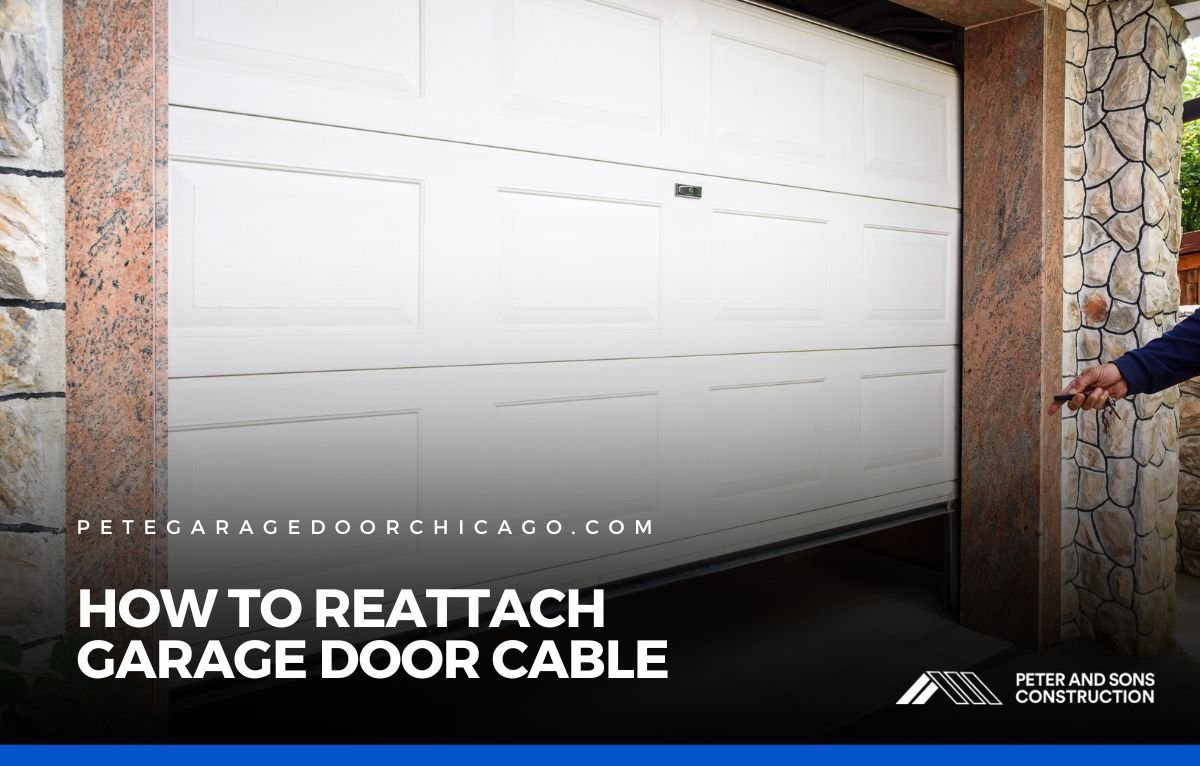
How to Reattach a Garage Door Cable and Avoid Bigger Repairs

Garage doors do a lot of work every day, but it only takes one loose cable to throw everything off. 

When a garage door cable slips off or breaks, the door may hang crooked, get stuck halfway, or even come off the track. It’s a problem you can’t ignore. 

If you know how to reattach garage door cables properly, you can avoid extra damage and keep your door working like it should. 

Let’s walk you through how to fix the issue, what causes it, and how to keep it from happening again.

What Causes Garage Door Cables to Come Off?

There are a few common reasons why garage door cables fail or come off the drum. Most of the time, the problem is mechanical, and it builds up over time.

  1. Spring tension imbalance
  2. Obstructions in the track
  3. General wear and tear

An imbalance in spring tension usually means one side of the door is pulling harder than the other. 

This uneven force can cause one cable to slip off while the other stays in place. If the track has any dents or debris, the rollers might get stuck and force the cable out of position. 

Lastly, if your cables are old or frayed, they simply wear down and lose their grip. Any of these issues can lead to bigger problems if you keep using the door without fixing the cable.

Get Ready: What You’ll Need

Before you begin, make sure the door is fully closed. Then, disconnect the opener by pulling the emergency release cord. 

This lets you move the door manually. You’ll need a few basic tools to safely reattach the cable: a wrench, a ladder, safety gloves, and locking pliers. 

If the cable is damaged beyond repair, you’ll need a matching replacement.

Check which side the cable has come off. If one cable is off and the other is still on, you’ll only need to fix that side, but always take a look at both to be sure. 

You should never try to adjust a door if the spring is broken or the door feels extremely heavy. In those cases, it’s better to stop and call a technician.

How to Reattach a Garage Door Cable

Start by clamping the door in place. Locking pliers or C-clamps should be placed just below the bottom roller on each side of the track. This prevents the door from sliding while you’re working on it.

Next, locate the cable drum at the top corner of the door on the side where the cable came off. The drum has grooves that the cable fits into. 

Take the loose cable and thread it back into the drum, making sure it lines up neatly without overlapping. 

As you rotate the drum to tighten the cable, it should become snug but not over-tightened. If the cable has kinks or frays, it’s safer to replace it completely rather than risk it snapping under tension.

Once the cable is reattached and tight, secure the drum by tightening the set screws. Double-check that both sides are even. 

Then, remove the clamps and try lifting the door by hand. It should move smoothly and stay in place when opened halfway. If it jerks, sticks, or slams shut, something is still off.

Don’t Overlook These Common Mistakes

Many homeowners make simple errors that can lead to more damage. One of the most common is failing to disconnect the garage door opener. 

If the opener kicks in during the repair, it can cause sudden movement and serious injury. Another mistake is not using clamps or locking pliers to hold the door still. This is an important safety step, especially if you’re working alone.

People also tend to focus only on the cable that came off and forget to check the other side. If one side is tight and the other is loose, the door will always be out of balance. That imbalance can make the cables slip off again. 

Over-tightening the cable is another common issue. While a loose cable won’t hold, one that’s too tight can put strain on the drum and other moving parts.

Tips to Prevent Cable Issues in the Future

Routine maintenance keeps your garage door running longer and helps you avoid the same problem happening again.

  1. Lubricate the moving parts every few months with a silicone-based spray
  2. Check both cables for fraying or rust at the start of each season
  3. Make sure the tracks are clean and free of dirt or debris
  4. Test door balance by lifting it manually halfway and checking if it stays in place
  5. Tighten loose bolts and brackets with a wrench
  6. Listen for grinding or scraping noises when the door moves

Doing these simple checks takes less than 30 minutes a few times a year, but it can save you from a full cable or spring replacement.

What if the Cable Keeps Coming Off?

If you find yourself dealing with the same issue more than once, the problem likely goes deeper than just the cable. 

Repeated failures often mean something is out of alignment. Damaged cable drums, bent tracks, or uneven spring tension can all make cables come off, no matter how many times you fix them.

In that case, reattaching the garage door cable is only a short-term fix. You’ll need a full inspection to find what’s really causing the imbalance. 

A technician can reset the tension, adjust the track, or replace faulty hardware. If your door is older or hasn’t been serviced in a few years, a full tune-up might be the better choice.

Don’t Let a Loose Cable Throw Off Your Day

Knowing how to reattach a garage door cable is a useful skill for any homeowner. It helps you stay ahead of small problems before they turn into larger repairs. 

If your garage door still feels heavy or unsteady after fixing the cable, it’s time to bring in a professional. 

At Peter and Sons Construction, we’ve helped dozens of local homeowners in Niles and nearby neighborhoods handle cable issues quickly and safely. 

From basic repairs to full garage door servicing, we’ll get the job done right the first time, no guesswork needed.

You might like these

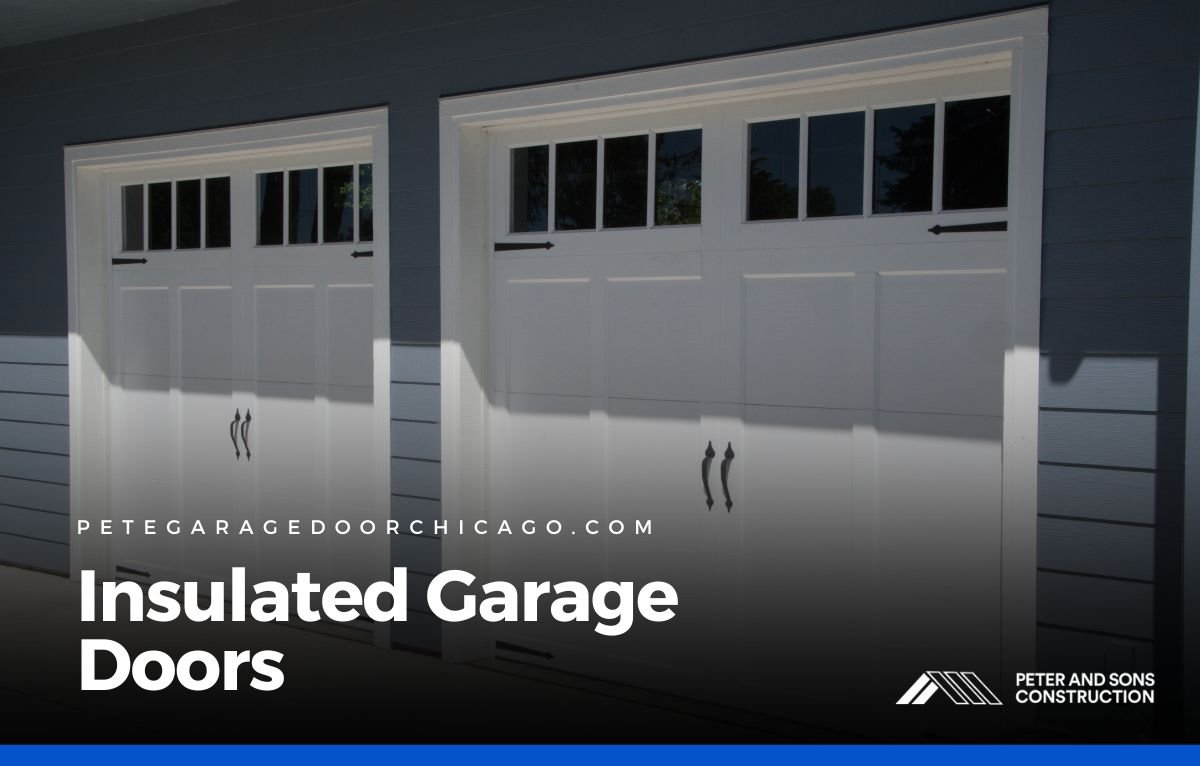
Why Insulated Garage Doors Are a Smart Investment Year-Round

Insulated Garage Doors
Garage doors are no longer just about opening and closing. Today, they’re a design statement, a security feature, and a valuable asset to your home’s energy efficiency.
 
As architectural trends evolve, more homeowners are replacing outdated garage doors with sleek, functional, and highly efficient modern garage doors.
 
If you’re thinking of upgrading, this guide will walk you through what modern garage doors are, the materials used, how much they cost, and why they’re worth considering for your home.

What Are Modern Garage Doors?

Modern garage doors are designed with a focus on contemporary aesthetics, functionality, and technology.
 
They move away from the traditional raised-panel or decorative carriage-house styles and embrace clean lines, minimal ornamentation, and a sleek, streamlined appearance.
 
Their goal is to complement modern and transitional home designs while offering practical features that meet the needs of today’s homeowners.
 
Unlike older garage door styles that emphasized detail and embellishment, modern garage doors prioritize simplicity and uniformity in design.
 
They typically feature:
  • Flush panels or flat surfaces – creating a smooth, uninterrupted look
  • Horizontal or vertical slat patterns – adding subtle texture without being busy
  • Large glass inserts or full-view glass panels – allowing natural light into the garage
  • Bold, neutral, or monochromatic color schemes – such as black, gray, or bronze
  • Matte finishes and metal accents – for a high-end, industrial touch
These doors are often constructed using durable and low-maintenance materials such as aluminum, steel, or fiberglass, and many models include insulation for improved energy efficiency.
 
Additionally, modern designs can be paired with smart garage door openers, allowing homeowners to control and monitor their doors from anywhere via smartphone apps or voice assistants.
 
Homeowners often choose modern garage doors to:
  • Match the architectural design of a modern or minimalist home
  • Add a sleek and updated look to an older home
  • Improve energy efficiency with insulated materials
  • Enhance curb appeal with contemporary materials and finishes
  • Incorporate more natural light into the garage without sacrificing privacy
Whether you want a full-glass garage door that turns your garage into a showpiece, or a matte black flush panel that seamlessly blends into your home’s exterior, modern garage doors offer versatile options to suit a range of home styles and preferences.

Common Materials Used in Modern Garage Doors (With Price Range)

Modern garage doors aren’t just about aesthetics—they’re built to perform. Below are the most commonly used materials, their benefits, and average pricing (based on standard single doors):

1. Aluminum and Glass

  • Look: Sleek, lightweight, modern industrial
  • Benefits: Rust-resistant, low maintenance, allows natural light
  • Price Range: $1,500 – $4,000
  • Ideal For: Homes that want full-view doors or garage studios/workshops

2. Steel (Insulated or Non-Insulated)

  • Look: Customizable with flush or grooved panels
  • Benefits: Highly durable, affordable, often insulated for energy efficiency
  • Price Range: $800 – $2,500
  • Ideal For: High-traffic households needing strength and longevity

3. Wood or Faux Wood

  • Look: Natural finish with a warm, textured appearance
  • Benefits: High-end appearance; faux wood is low maintenance
  • Price Range (Real Wood): $2,000 – $4,500
  • Price Range (Faux Wood): $1,200 – $3,000
  • Ideal For: Homeowners wanting luxury appeal without compromising function

4. Fiberglass

  • Look: Mimics wood grain, available in custom textures
  • Benefits: Lightweight, resistant to warping or cracking
  • Price Range: $1,200 – $2,800
  • Ideal For: Coastal or humid environments, or homes with modern siding

Why Choose Modern Garage Doors?

When upgrading your home’s exterior, the garage door plays a much bigger role than most people realize. It’s one of the first things people notice, it protects your property, and it can significantly influence your home’s energy efficiency.
With modern lifestyles and architectural preferences evolving, modern garage doors have become a practical and stylish investment that delivers long-term value.
Whether you’re building new, remodeling, or replacing an aging door, here’s why choosing a modern style is a smart decision:
 
Curb Appeal and Home Value Modern garage doors dramatically improve your home’s exterior appearance, offering a clean, sophisticated look that elevates the overall design. According to industry reports, garage door replacement consistently ranks as one of the top remodeling projects for return on investment (ROI). A well-chosen modern garage door not only boosts curb appeal but can also increase your home’s market value.
  1. Energy Efficiency Many modern garage doors are designed with built-in insulation using materials such as polyurethane or polystyrene. These insulated cores help minimize heat loss in the winter and reduce heat gain in the summer—especially valuable for attached garages. This results in a more stable interior temperature, lower energy bills, and a more comfortable living environment year-round.
  2. Durability and Low Maintenance Modern designs often use materials like powder-coated steel, rust-resistant aluminum, and composite overlays. These materials are engineered to withstand harsh weather conditions, resist corrosion, and require very little maintenance. Unlike traditional wood doors that may warp, crack, or peel, modern doors retain their strength and appearance with minimal upkeep—ideal for today’s busy homeowners.
  3. Smart Features Functionality is a major benefit of modern garage doors. Many models are fully compatible with smart home systems, allowing you to monitor, open, and close your garage door remotely using your smartphone. Features like motion alerts, scheduling, and voice assistant integration (with Alexa, Google, or Apple HomeKit) add convenience, enhance security, and offer greater peace of mind.
  4. Customization No two homes are exactly the same, and modern garage doors reflect that with a wide range of customizable options. Homeowners can choose from different panel layouts, glass styles, hardware finishes, and color combinations to match their home’s exterior. Whether you want a full-glass industrial look or a bold matte finish, modern garage doors can be tailored to match your personal style and architectural vision.

Modern Garage Doors Are More Than Just a Trend

Upgrading to modern garage doors is one of the most practical and impactful decisions you can make for your home.
 
With benefits that go far beyond appearance—including increased energy efficiency, improved durability, advanced smart features, and enhanced resale value—it’s an investment that pays off both now and in the future.
 
Whether you’re designing a new build or refreshing your home’s exterior, a modern garage door offers the perfect blend of style and substance.
 
And with expert guidance from a trusted local installer like Peter & Sons Construction, you can ensure the job is done right—professionally, efficiently, and tailored to your needs.

You might like these

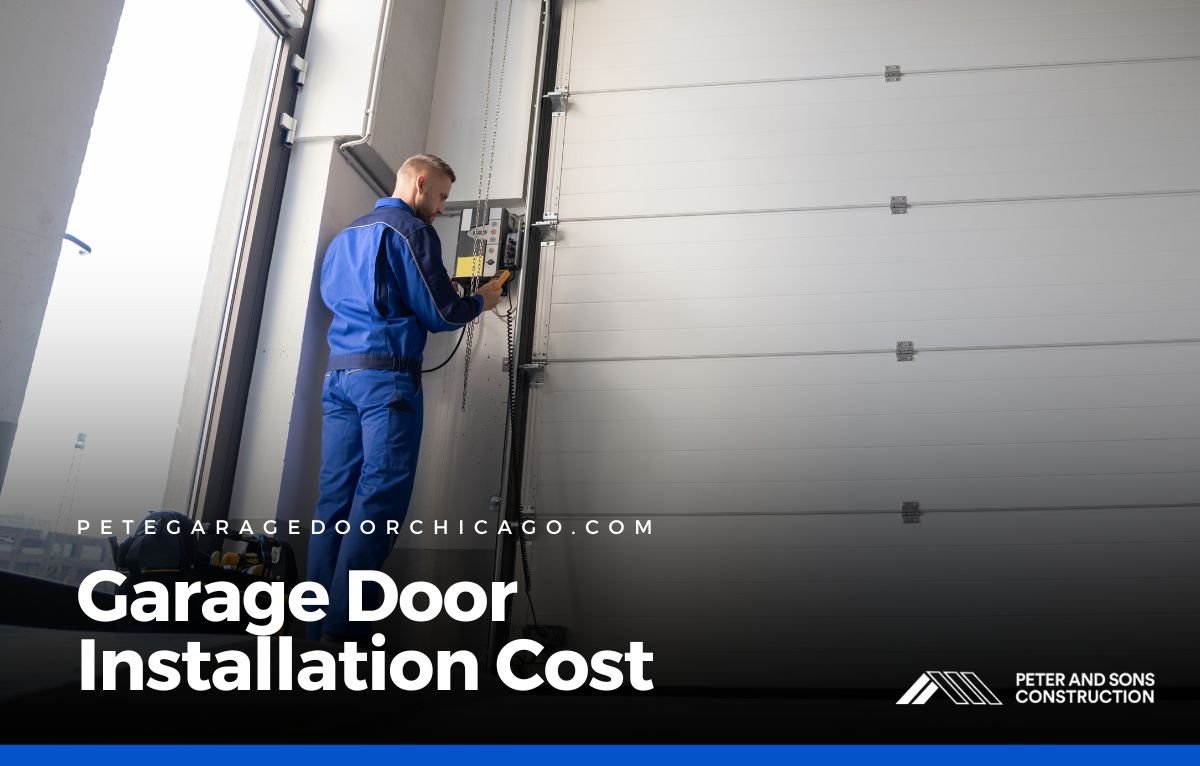
Homeowner’s Guide to Garage Door Installation Costs

Garage Door Installation Cost

Installing a new garage door is a significant home improvement project that enhances curb appeal, boosts property value, and ensures the security of your vehicles and belongings.

However, understanding the costs associated with garage door installation can be challenging due to various factors influencing the final price. 

This guide aims to provide a detailed breakdown of garage door installation costs, helping you make informed decisions and budget effectively.

Factors Influencing Garage Door Installation Costs

Several key factors affect the overall cost of installing a new garage door:

  • Material of the Garage Door- The choice of material significantly impacts the price. Common materials include steel, wood, aluminum, and fiberglass, each offering different durability levels and aesthetic appeal.​
  • Size and Design- Standard single-car garage doors are less expensive than double-car doors. Additionally, custom designs or doors with windows and intricate patterns can increase the cost.​
  • Insulation- Insulated garage doors are more energy-efficient but come at a higher price than non-insulated options.​
  • Labor Costs Professional installation fees vary based on the project’s complexity and regional labor rates.
  • Additional Features- Features like smart technology integration, custom hardware, or enhanced security systems can add to the overall expense.​

Average Costs Based on Garage Door Types

Understanding the cost variations among different garage door types can help in budgeting:

  • Sectional Garage Doors- These are the most common and typically range from $750 to $2,500, including installation.​
  • Roll-Up Garage Doors- Ideal for limited ceiling space, these doors can cost between $850 and $3,000.​
  • Slide-to-Side Garage Doors- Less common and often custom-made, these can range from $1,000 to $3,500.​
  • Side-Hinged Garage Doors- Traditional in appearance, these doors typically cost between $1,200 and $2,500.​

Labor and Installation Costs

Labor costs for garage door installation depend on several factors, including your location, the type of door you choose, and the level of expertise required for the job. 

In areas where the cost of living is higher, labor rates tend to be on the upper end of the scale.

Additionally, if the installation involves structural modifications, electrical work for an automatic opener, or the removal of an old garage door, the total labor cost can increase.

On average, homeowners can expect to pay between $300 and $800 for professional installation, but more complex jobs may push the cost even higher. 

Custom garage doors, oversized models, or heavy materials like solid wood require additional effort and time, often resulting in increased labor fees. 

Some installers may also charge separately for tasks such as reinforcing the door frame, adjusting the tracks, or fine-tuning the opener settings to ensure smooth operation.

While it may be tempting to cut costs by hiring a handyman or attempting a DIY installation, garage doors are heavy, and improper installation can lead to safety hazards and costly repairs down the road. 

A poorly installed garage door can put excessive strain on the opener, cause alignment issues, or even fail to close securely. 

This is why hiring a reputable garage door installation company is essential. 

Experienced professionals have the right tools and expertise to install the door correctly, ensuring that it operates safely and lasts for years without frequent issues.

Return on Investment (ROI) and Added Home Value

Investing in a new garage door is one of the most practical upgrades a homeowner can make. Beyond improving curb appeal, a well-installed garage door increases security, boosts energy efficiency, and can even reduce maintenance costs over time. 

A modern garage door with proper insulation helps regulate the temperature inside the garage, making it more comfortable and reducing heating and cooling expenses if the space is attached to your home.

According to Remodeling magazine’s 36th annual 2023 Cost vs. Value Report, the average cost of a garage door replacement is $4,302, with an impressive 102.7% return on investment (ROI). 

This means that homeowners not only recoup their spending but, in some cases, even increase the overall value of their property beyond the initial cost. 

In fact, garage door replacement ranks second among all home improvement projects in terms of ROI, making it a smarter investment than many other renovations.

Unlike kitchen or bathroom remodels that require significant time and inconvenience, garage door replacement is a relatively quick project with an immediate impact. 

A new door can enhance the overall look of a home, making it more attractive to potential buyers if you ever decide to sell. 

Additionally, features like improved insulation, smart openers, and reinforced materials contribute to long-term savings and security, making it a worthwhile upgrade for any homeowner.

Additional Costs and Considerations

Beyond the basic installation, consider potential additional expenses:

  • Garage Door Opener Installation- Adding or replacing an automatic opener can cost between $300 and $500, depending on the model and features.​
  • Old Door Removal: Some installers may charge extra for removing and disposing of the old garage door.​
  • Permits and Inspections- Depending on local regulations, you might need permits or inspections, adding to the overall cost.​

Partnering with Peter and Sons Construction for Your Garage Door Needs

Understanding the various factors influencing garage door installation costs is crucial for making informed decisions and ensuring a successful project. 

For residents in the greater Chicago area seeking reliable and professional garage door installation services, Peter and Sons Construction offers expert solutions tailored to your specific needs. 

With a commitment to quality workmanship and customer satisfaction, they provide comprehensive services from selection to installation, ensuring your new garage door enhances both the functionality and aesthetic appeal of your home.​

By choosing a trusted provider like Peter and Sons Construction, you can navigate the complexities of garage door installation with confidence, knowing that your investment will yield lasting value and satisfaction.

You might like these

Understanding the Cost of Garage Door Replacement and What to Expect

Cost of Garage Door Replacement

A garage door is more than just an entryway—it provides security, insulation, curb appeal, and convenience. 

When it begins to wear out, replacing it becomes necessary to maintain your home’s functionality and value. 

However, many homeowners are unsure about the actual cost of garage door replacement and what factors influence the price.

The cost of replacing a garage door can range widely based on materials, design, insulation, installation labor, and additional features. 

According to a 2023 report from Remodeling Magazine, a new garage door offers one of the highest returns on investment (ROI) in home improvement, with an average of 102.7% recouped at resale. 

This makes it not only a functional upgrade but also a smart financial decision.

What Is the Average Cost of Garage Door Replacement?

Garage door replacement costs can vary significantly based on location, door type, and labor fees. However, national data provides a general range for homeowners to expect

National Average Pricing

Labor costs for professional installation typically range from $200 to $600, with additional fees if old doors need removal or if structural modifications are required.

For homes with high-end or custom doors, costs can increase due to specialty materials, insulation, and automation features.

According to HomeAdvisor, the average cost of replacing a garage door in the U.S. is between $750 and $3,500, depending on materials and complexity.

Garage Door Type

Average Cost (Including Installation)

Single Standard Garage Door

$750 – $1,500

Double Garage Door

$1,200 – $3,500

Custom Garage Door

$2,500 – $10,000+

Factors That Affect the Cost of Garage Door Replacement

Several factors influence the final price of garage door replacement. Here’s what determines how much you’ll pay:

Material Choice

The type of material you choose affects both cost and durability.

Material

Average Cost

Pros

Cons

Steel

$600 – $2,500

Durable, low maintenance, affordable

Can dent easily

Wood

$1,200 – $10,000

Aesthetic appeal, customizable

Requires maintenance, expensive

Aluminum

$800 – $2,500

Lightweight, rust-resistant

Less durable than steel

Fiberglass

$1,000 – $3,000

Resistant to warping, lightweight

Can crack in extreme cold

Composite

$1,200 – $4,500

Looks like wood, but requires less upkeep

Higher cost than steel

Size of the Door

  • Single doors (8-10 feet wide) cost less than double doors (16-18 feet wide).
  • Custom sizes require special manufacturing, increasing cost.

Insulation and Energy Efficiency

  • Non-insulated garage doors: More affordable but offer poor temperature control.
  • Insulated doors: Typically $200–$600 more but improve energy efficiency and reduce noise.
  • Homes in extreme climates benefit from high R-value insulation, saving on heating and cooling costs.

Garage Door Opener Replacement

  • A new garage door opener adds $200–$800 to the total cost.
  • Smart openers with Wi-Fi and app control cost more but offer added security and convenience.

Custom Features and Upgrades

Adding windows, decorative hardware, or high-end finishes increases costs.

  • Windows: $200 – $500 extra
  • Custom panel designs: $300 – $1,000 extra
  • Security features (smart locks, cameras): $150 – $500 extra

Why Garage Door Replacement Is a Smart Investment

A new garage door does more than enhance your home’s appearance—it also increases its value and functionality. 

According to Remodeling Magazine’s Cost vs. Value Report, a new garage door has an impressive ROI of 102.7%, meaning homeowners can recoup more than they spend when selling their home. 

Beyond financial benefits, a replacement garage door improves security, as older doors are easier to break into, while newer models come with reinforced locks, rolling code openers, and stronger materials for better protection. 

Energy efficiency is another advantage, especially with insulated doors, which help reduce heating and cooling loss. 

Research from the U.S. Department of Energy shows that well-insulated garages contribute to better indoor temperature control, particularly for attached homes. 

Additionally, modern garage doors are built with low-maintenance materials, reducing the need for frequent repairs and lowering long-term costs. 

With these benefits, replacing an outdated garage door is a smart investment for homeowners looking for security, efficiency, and long-term savings.

DIY vs. Professional Installation Which Is the Better Choice?

Some homeowners consider replacing their garage door themselves to cut costs, but the risks often outweigh the savings. 

While DIY installation may seem more affordable, with materials costing between $300 and $1,000, it requires specialized tools and experience. 

One of the biggest dangers is handling high-tension springs and cables, which can cause serious injury if not managed properly. 

On the other hand, professional installation ensures that the door is aligned and balanced correctly, reducing the risk of operational issues and premature wear. 

Hiring an expert also prevents accidents, as over 30,000 garage door-related injuries occur annually, many due to DIY mistakes, according to the U.S. Consumer Product Safety Commission

In addition, professional services come with warranty coverage on parts and installation, providing peace of mind and long-term reliability. 

With a faster, safer, and hassle-free process, hiring a licensed garage door contractor is the best option for homeowners looking for quality and durability.

How to Get the Best Deal on a Garage Door Replacement

Compare Quotes from Multiple Companies

  • Request estimates from at least 3 different providers.
  • Ask about warranty coverage and hidden costs.

Look for Seasonal Discounts

  • Many garage door companies offer discounts in fall and winter when demand is lower.
  • Manufacturer rebates may be available on insulated and energy-efficient models.

Consider Long-Term Value Over Upfront Cost

  • Spending a little more on durable materials can prevent frequent repairs.
  • An insulated door may cost more but saves on energy bills in the long run.

Upgrade Your Home with a Reliable Garage Door Replacement

Replacing a garage door is an investment in security, convenience, and home value. 

While costs vary based on materials, size, insulation, and features, understanding these factors helps homeowners make informed decisions.

For those looking for expert garage door replacement, Peter & Sons Construction provides high-quality installation, durable materials, and competitive pricing.

Call Peter & Sons Construction today at +1 (773) 851-3056 or visit www.petedoor.com for a free quote on your garage door replacement.

A new garage door is one of the best investments you can make for your home—get yours installed by professionals today! 

You might like these

Choosing Between Torsion and Extension Garage Door Springs

torsion vs. extension garage door springs

Garage doors are essential components of our homes, providing security and convenience.

At the heart of their operation are the springs, which counterbalance the door’s weight, making it easy to open and close. 

There are two primary types of garage door springs: torsion and extension springs. 

Understanding their differences is crucial for homeowners looking to maintain or replace their garage door systems.

Understanding Torsion Springs

Torsion springs are mounted above the garage door opening on a metal shaft. They operate by twisting and storing mechanical energy to lift and lower the door.

According to Garage Insiders, mishandling torsion springs can lead to the spring snapping, releasing large amounts of stored energy and potentially causing severe injury or death.

Here’s what you need to know about torsion springs:

  • Design and Functionality– Torsion springs use torque to balance the garage door’s weight. When the door closes, the springs wind up, storing energy. As the door opens, the springs unwind, releasing energy to lift the door smoothly.
  • Durability– Torsion springs are known for their longevity. They distribute weight evenly across the door, reducing wear and tear on other components. This design often results in a longer lifespan compared to extension springs.
  • Safety Considerations– While torsion springs are generally safer due to their controlled motion, improper handling during installation or maintenance can lead to injuries. It’s advisable to consult professionals for tasks involving torsion springs.

Exploring Extension Springs

Extension springs are typically installed on either side of the garage door, running parallel to the horizontal tracks. 

They function by extending and contracting to counterbalance the door’s weight.

Key aspects of extension springs include:

  • Design and Functionality– Extension springs stretch when the door is closed, storing energy. As the door opens, the springs contract, releasing the stored energy to assist in lifting the door.
  • Durability– Extension springs are generally less durable than torsion springs. Their stretching action can lead to more wear and tear, necessitating more frequent replacements.
  • Safety Considerations– Extension springs can pose safety risks if they break, as they may snap and cause injury or property damage. Safety cables are essential to contain the spring if it fails.

Comparative Analysis Between Torsion and Extension Springs

When deciding between torsion and extension springs, consider the following factors:

  • Installation and Maintenance– Torsion springs require precise installation and are typically more complex to set up. Extension springs are simpler but may require more frequent maintenance due to their design.
  • Cost Implications– Extension springs are usually less expensive upfront. However, their shorter lifespan and potential safety hazards might lead to higher costs over time. Torsion springs, while more costly initially, often prove more economical in the long run due to their durability.
  • Safety and Performance– Torsion springs offer smoother operation and are generally safer when properly maintained. Extension springs, without safety cables, can be hazardous if they break.

Safety Statistics and Considerations

Garage door springs, if not properly maintained or installed, can lead to accidents.

According to the National Electronic Injury Surveillance System (NEISS), over 2,000 people are crushed by garage doors annually, with many incidents related to malfunctioning springs. 

Regular inspections and maintenance are crucial to ensure safety.

Making an Informed Choice

Choosing between torsion and extension springs depends on your specific needs, budget, and safety considerations. 

Torsion springs offer durability and smoother operation, while extension springs are more affordable but may require more maintenance. 

For residents in the greater Chicago area, Peter and Sons Construction provides expert advice and installation services to help you make the best choice for your garage door system. 

Visit their website at www.petedoor.com for more information.

You might like these

Complete DIY Guide to Garage Door Spring Replacement

garage door spring replacement

Replacing garage door springs is a task that many homeowners consider tackling themselves.

While it can save money, it’s essential to approach this project with caution due to the potential dangers involved. 

This guide will walk you through the process, emphasizing safety and providing clear, step-by-step instructions.

Understanding Garage Door Springs

Before diving into the replacement process, it’s crucial to understand the two primary types of garage door springs:

  1. Torsion Springs- Located above the garage door opening, these springs use torque to lift the door. They’re known for their durability and are commonly found in modern garage doors.

  2. Extension Springs– Found on either side of the door, these springs extend and contract to open and close the door. They’re typically used in older or lighter garage doors.

Safety Precautions

Replacing garage door springs is not just another household chore—it’s a complex and potentially hazardous task that requires precision, expertise, and the right tools. 

While many homeowners attempt to tackle this project themselves, it’s essential to recognize the risks involved. 

A garage door spring under high tension can cause significant injury or damage if not handled correctly. 

Handling garage door springs can be hazardous. 

According to the Reiff Law Firm, defective springs are a common cause of garage door accidents, and it’s recommended to have your door installed and repaired by a professional.

To minimize risks:

  • Wear Protective Gear– Always use safety glasses and gloves.
  • Use the Right Tools– Ensure you have the appropriate tools, such as winding bars for torsion springs.
  • Disconnect Power– Unplug the garage door opener to prevent accidental activation.
  • Secure the Door– Use clamps to keep the door in place during the replacement.

Step-by-Step Replacement Guide

Identify Your Spring Type– Determine whether you have torsion or extension springs.

Gather Necessary Tools-Depending on your spring type, you’ll need winding bars, wrenches, and other specific tools.

Release Tension

Torsion Springs – Carefully unwind the spring using winding bars, ensuring a controlled release of tension.

Extension Springs – Open the door fully to release tension, then secure it in place.

Remove Old Springs– Disconnect the springs from their brackets and carefully remove them.

Install New Springs– Attach the new springs to the brackets, ensuring they’re properly aligned.

Reapply Tension

Torsion Springs– Wind the spring to the specified number of turns based on manufacturer instructions.

Extension Springs– Close the door slowly, allowing the springs to stretch into place.

Test the Door– Manually lift and lower the door to ensure smooth operation.

When to Seek Professional Help

While DIY projects can be fulfilling, garage door spring replacement carries inherent risks.

The Reiff Law Firm emphasizes that garage doors are delicate and complex systems, and it’s recommended to always have your door installed and repaired by a professional.

If you’re uncertain about any step or lack the necessary tools, it’s best to consult a professional.

Trust the Experts at Peter & Sons Construction

For residents in the greater Chicago area, Peter and Sons Construction offers expert garage door services, ensuring that your spring replacement is done safely and efficiently. 

With years of experience, their skilled technicians understand the intricacies of various garage door systems, from torsion to extension springs. 

They not only replace worn-out springs but also inspect the entire garage door system, ensuring that every component is in optimal working condition.

Don’t risk injury or further damage to your garage door by attempting a DIY spring replacement. 

Trust the experts at Peter and Sons Construction to handle the job with professionalism and care. 

Visit their website at www.petedoor.com to learn more about their services, schedule an appointment, or request a quote. 

Let their team take the stress out of garage door maintenance, so you can enjoy a fully functional and safe garage door year-round.

You might like these

Common Garage Door Spring Issues and How to Effectively Fix Them

common garage door spring issues

Understanding common garage door spring issues and how to address them can save you time, effort, and unnecessary repair costs.

According to a study by the U.S. Consumer Product Safety Commission (CPSC), garage door springs are responsible for numerous injuries each year.

Whether you’re looking to fix minor problems yourself or need professional help, this guide provides essential insights.

Types of Garage Door Springs and Their Functions

Each type of spring has its own set of challenges, so understanding which type your door uses is the first step to diagnosing any issues.

Both perform similar functions but are designed differently and placed in distinct areas.

Garage door springs come in two main types: torsion springs and extension springs. 

  • Torsion Springs– These springs are installed above the door and work by twisting and unwinding. Due to the tension they endure, torsion springs tend to have a longer lifespan but can break more suddenly when they fail.
  • Extension Springs– Placed on either side of the door, extension springs stretch to counterbalance the door’s weight when it opens. While they are often easier to replace, extension springs are more likely to lose their strength over time.

Common Garage Door Spring Issues You Should Know

Over time, garage door springs can face a variety of problems. Regular use can weaken them, leading to dysfunction or failure.

The following are common issues that might affect your garage door springs:

Broken Springs

When a spring snaps, the door may become impossible to lift or could come crashing down. This usually happens when a spring has reached the end of its lifespan.

Worn-Out Springs

Worn-out springs may not break immediately but can lose their ability to function effectively. The door might open slowly or operate unevenly, signaling that the springs are no longer performing at their best.

Unbalanced Springs

If one spring breaks while the other remains intact, your door will likely become unbalanced. An unbalanced door can cause strain on other parts of the system, including the opener.

Noisy Springs

Over time, springs may become noisy due to friction. Squeaking or grinding sounds often indicate that the springs are dry or need lubrication.

Rust and Corrosion

Exposure to moisture can lead to rust on the springs, weakening them and making them more prone to breakage.

Steps to Fix Broken or Worn-Out Springs

Repairing or replacing garage door springs is not a task for the faint-hearted. Because of the high tension involved, these repairs can be dangerous without the proper expertise. 

If you choose to tackle spring problems yourself, here’s how you can address the most common issues:

Replacing a Broken Spring

Replacing a broken spring requires removing the damaged component and installing a new one. Begin by disconnecting the garage door opener from the power supply, then carefully remove the old spring.

After that, install the new spring, ensuring it is properly secured and adjusted for correct tension.

Lubricating Noisy Springs

If your garage door springs are making unpleasant noises, a light application of lubricant can help reduce friction and noise. Use a garage door-specific lubricant or silicone spray to coat the springs, ensuring smooth operation.

Balancing Springs

If one spring is weaker than the other, the door will not operate evenly. Adjusting the tension in the springs may resolve this issue. However, this is a delicate task and should be handled with care.

Cleaning Rust

If your springs are rusty, use a wire brush to remove the corrosion. You can also apply a rust remover to help clear away the rust. Afterward, apply a protective coating to prevent further rust buildup.

When to Seek Professional Help

While DIY repairs can save you money, there are times when it’s better to call in a professional. 

Garage door springs are under intense tension, and handling them improperly can lead to injury or further damage. 

For safety and efficiency, professional help ensures that your garage door remains in top working condition.

Here are some situations when you should consult a professional:

  • Handling High-Tension Springs
  • Persistent Problems
  • Unbalanced Door
  • Lack of Expertise

Preventive Measures for Spring Longevity

Preventing garage door spring problems is key to avoiding frequent repairs and costly replacements.

An article from the International Door Association (IDA) stresses the importance of scheduling annual garage door inspections with certified technicians.

The association recommends that homeowners have their garage doors, including the springs, inspected and maintained regularly to prevent unexpected failures and ensure long-term reliability.

Regular maintenance can significantly extend the lifespan of your springs.

Here are some helpful tips:

  • Routine Inspections– Periodically inspect your springs for signs of wear, rust, or corrosion. If you notice any issues, address them promptly to prevent further damage.
  • Lubrication– Regularly lubricate your garage door springs to keep them functioning smoothly. A biannual application of lubricant will reduce friction and extend the life of the springs.
  • Balance Tests– Check the balance of your garage door by disconnecting the opener and manually lifting the door halfway. If the door stays in place, the springs are balanced. If not, they may need adjustment.
  • Tension Adjustments– If you notice that your door is becoming more difficult to open, it might be time to adjust the tension in the springs. A professional can handle this adjustment to ensure optimal performance.

Maintaining Garage Door Springs

Garage door springs play a vital role in the smooth operation of your door.

Understanding common spring problems and knowing when to attempt a DIY fix or call a professional can save you both time and money.

While some issues can be addressed with a little maintenance, others require expert attention to ensure the safety and functionality of your garage door.

For those in the greater Chicago area, Peter and Sons Construction offers professional garage door repair and spring services.

Their expertise and experience can help you maintain a well-functioning garage door system, keeping your home secure and your door operating smoothly for years to come.

By taking the right steps in spring maintenance and knowing when to seek expert help, you can extend the life of your garage door and avoid costly repairs.

You might like these

Why Your Garage Door Won’t Open and How to Fix It

fix broken garage door springs

You press the remote, expecting your garage door to open smoothly, but nothing happens.

Maybe you hear a clicking noise, a motor struggling, or worse—complete silence. If your garage door isn’t opening, a broken spring is one of the most common reasons.

Garage door springs are small but powerful. They counterbalance the weight of the door, making it easy for the opener to lift.

When a spring snaps, the entire system is affected, leaving the door too heavy to move.

Many homeowners don’t realize the importance of these springs until they break.

Without proper maintenance, they wear down over time and eventually fail.

Understanding why this happens and how to fix it can save you time, money, and frustration.

How Garage Door Springs Work and Why They Break

Garage doors operate using two types of springs: torsion springs, which are mounted above the door and twist to store energy, and extension springs, which are located on the sides and stretch to provide lifting power.

Both types play a crucial role in balancing the door’s weight, making it easier to open and close.

However, they have a limited lifespan measured in cycles, with one cycle equaling a full opening and closing of the door.

Over time, wear and tear can cause these springs to weaken or break, leading to issues with garage door functionality.

Common Reasons Garage Door Springs Break

1. Wear and Tear

Most springs last 10,000 cycles, which is about 7-10 years with regular use. If your garage door is used frequently, the springs wear out faster.

2. Rust and Corrosion

Rust weakens the metal, causing the springs to snap sooner. Lubricating them regularly can help extend their lifespan.

3. Poor Maintenance

Springs need regular inspections. Without proper maintenance, they weaken over time without visible signs until they break.

4. Temperature Changes

Cold winters and hot summers can make springs expand and contract, leading to faster wear.

5. Improper Spring Size

If the wrong type of spring is installed, it may not support the door properly, causing it to wear out too soon.

A study from the International Door Association (IDA) confirms that garage doors with well-maintained springs operate 40% more efficiently than those with neglected components.

Signs That Your Garage Door Spring Is Broken

If you notice any issues, stop using the door immediately to avoid further damage. A broken spring doesn’t always mean loud noises or visible damage.

Here are key signs to watch for:

  • The Door Won’t Open or Is Heavy
  • You Heard a Loud Snap
  • Cables Look Loose or Disconnected
  • The Door Opens a Few Inches and Stops
  • Visible Gaps or Damage in the Spring

Why Your Garage Door Won't Open with a Broken Spring

A garage door opener is not strong enough to lift a heavy door alone. It relies on springs to reduce the weight.

Here’s why your door stays shut when a spring breaks:

The Opener’s Motor Is Overloaded

Most motors are designed to work with balanced doors. A broken spring makes the door too heavy, and the motor may shut off to prevent damage.

Safety Mechanisms Prevent Operation

Modern garage door openers have built-in safety features that detect broken springs and stop the door from moving.

Lifting the Door Manually Can Be Dangerous

If you try to lift a door with a broken spring, you risk injury because of its weight.

The Cables May Tangle or Snap

Broken torsion springs often lead to cable issues, making manual operation impossible.

Temporary Solutions Before a Professional Repair

These solutions are temporary. A professional should replace the spring as soon as possible to restore safe operation.

If you need immediate access to your garage, here are some safe steps:

Use the Emergency Release Cord

Most garage doors have a red emergency release cord that disconnects the door from the opener. Pulling it allows you to lift the door manually. However, this only works if the door isn’t too heavy.

Lift the Door with Help

If necessary, two people can try to manually lift the door. Never attempt this alone, as the weight can cause injuries.

Keep the Door Closed Until Repair

If you don’t need immediate access, wait for a professional to prevent further damage.

Check for Secondary Damage

Inspect cables, rollers, and tracks for issues that may have been caused when the spring broke.

When to Call a Professional for Garage Door Spring Replacement

Replacing garage door springs is not a DIY job. The high tension in these springs makes them dangerous to handle without proper tools and training.

According to The U.S. Consumer Product Safety Commission, over 30,000 garage door injuries occur yearly, many from DIY repairs gone wrong.

A trained technician ensures a safe and proper fix.

Hire a professional if:

  • The door is too heavy to lift manually.
  • You see damaged cables or tracks.
  • You heard a loud snap and the door won’t move.
  • The springs have visible gaps or rust.

What to Do When Your Garage Door Spring Breaks

A broken garage door spring is a major inconvenience, but understanding why it happens and what to do can help you take action quickly.

If your garage door isn’t opening and you suspect a broken spring, don’t force it.

Contact Peter and Sons Construction for safe and professional garage door spring replacement.

You might like these

Simple Maintenance Tips to Make Garage Door Springs Last Longer

maintenance tips to make garage door springs last longer

Garage door springs are the unsung heroes of our daily routines. They make the heavy lifting of garage doors seem effortless, allowing us to come and go with ease. 

But like all hardworking components, they need a bit of TLC to keep them running smoothly and safely. 

Neglecting their maintenance can lead to inconvenient and potentially dangerous situations. 

Here are some simple tips to keep your garage door springs in great condition.

Understanding Garage Door Springs

Before we get into the maintenance tips, it’s helpful to know a bit about the two main types of garage door springs:

  1. Torsion Springs– These are mounted above the garage door opening and work by twisting to lift the door. They’re known for their durability and can handle a lot of weight.
  2. Extension Springs– Found on either side of the door, these springs extend and contract to open and close the door. They’re typically used for lighter doors.

Regular Inspections: Catching Issues Early

Taking a few minutes every couple of months to inspect your garage door springs can save you a lot of hassle down the road. Here’s what to look for:

  • Wear and Tear– Check for any signs of rust, corrosion, or gaps in the coils. These can indicate that the springs are weakening.
  • Balance Test– Disconnect the garage door opener and manually lift the door halfway. If it stays in place, your springs are likely in good condition. If it moves up or down, there might be an issue.

Lubrication Helps Everything Move Smoothly

Just like the Tin Man needed oil, your garage door springs benefit from regular lubrication.

  • Frequency: Aim to lubricate the springs every six months.
  • Product: Use a silicone-based spray or white lithium grease. Avoid WD-40, as it’s more of a cleaner than a lubricant.
  • Application: Spray a light coat on the springs, then open and close the door a few times to distribute it evenly.

Checking the Balance Keeps Your Garage Door Running Evenly

If your garage door isn’t balanced properly, the springs take on extra stress, causing them to wear out faster. 

According to the International Door Association (IDA), an unbalanced door can reduce the lifespan of garage door components, leading to costly repairs.

How to Test It

Try lifting your garage door halfway and letting go. If it stays in place, the balance is good. If it moves up or down, the springs may need an adjustment.

Knowing When to Call a Professional Matters

Some garage door issues can be handled with routine maintenance, but others require expert attention. 

The U.S. Consumer Product Safety Commission warns that garage door springs are under extreme tension and can cause serious injury if handled improperly.

Signs You Need Help

    • The door is hard to open or close.
    • You hear loud noises when operating it.
    • Visible wear or gaps in the springs.

Staying Safe While Maintaining Your Garage Door

Garage door springs hold a lot of tension, making them dangerous to adjust or replace without proper tools and knowledge.

A study by the National Safety Council highlights that thousands of injuries occur each year from DIY garage door repairs. 

If you’re unsure, it’s always best to bring in a professional.

Keeping Your Garage Door Springs in Good Shape

Taking care of your garage door springs can make a big difference in how long they last and how smoothly your door works. 

Regular maintenance helps prevent sudden breakdowns and expensive repairs. A few simple checks now and then can save you time, money, and frustration down the road.

If you’re unsure about a repair or just want expert help, Peter and Sons Construction has you covered. 

Their team specializes in keeping garage doors running safely and efficiently. Don’t wait for a small issue to turn into a big problem—reach out today!

You might like these

sabung ayam online

sv388

mix parlay sbobet

live casino online

slot gacor online

TOTO 4D/

TOTO 4D

judi bola

sabung ayam online

situs sabung ayam

sabung ayam online

live casino online

sv388

bettingam

live casino online

scatter hitam

sv388

sbobet88

scatter hitam

scatter hitam

slot online

TOTO 4D

scatter hitam

sbobet88

sv388

casino online

live casino online

zeus slot

slot gacor online

casino online

judi bola online

sv388

sv388

sbobet88

casino online

scatter hitam

server thailand

mikitoto

pintuplay

slot thailand

slot server thailand

slot777

garuda69

sbobet88

sv388

togel hongkong

mahjong ways 2

Mahjong ways 2

sv388

casino online

BESTTOGEL

BESTTOGEL

scatter hitam

casino online

sabung ayam online

judi bola online

live casino online

mahjong ways

hk pools

Mahjong Ways 2 Mendadak Gacor ! Pola Scatter Cepat Ini Lagi Ramai Dipakai

baristabogota.com

buffetbogota.com

cateringeventos.com

cattleyaeventos.com

cocoaeventos.com

coctelesyeventos.com

daiquiricocktailbar.com

elgranbartender.com

elianahernandez.com.co

escortsenbogota.com

fiestadematrimonio.com

fiestasdematrimonio.com

gigolosenbogota.com

grupoempresarialbaen.com

justmarried.com.co

limopartybogota.com

luxuryeventos.com.co

panelaorganica.com.co

pijamasbogota.com

sexshopcolombia.com.co

sextourbogota.com

showsbogota.com

siluetasytonos.com

simondice.com.co

sipirili.com.co

stripperbogota.com

swingerpartybogota.com

uniformesbogota.com

weddingcolombia.com.co

xn--fiestasde15aos-1nb.com

centro-occidente.coneicc.org.mx

mancomunidad.org

ccfdchildcare.com

www.sasrourissol.fr

www.loucaloun.fr

luxuryeventos.com.co

biopreventative.com

www.beton-cire-13.fr

qhiresolutions.com

cptrekking.com.br

bullandbeartravels.co.tz

cattleyaeventos.com

ablaw.vn

www.mishofamarwah.sch.id

grupoempresarialbaen.com

sherleyskin.com

www.adnmart.com

algnutrastore.com

anigeouscosmetics.com

aqua-dotterel-346593.hostingersite.com

bariahouselifting.com

blazeremedies.in

friendspackermovers.com

gravityprints.com

herbalpowerindia.com

homeheartindia.com

kalanishtha.com

kanhapolyfab.com

muzaffarpurgaushala.org

myratrendz.com

northpackindia.com

orchiddecorcrafts.com

orientaltrimex.com

rainurail.com

royalblue-antelope-713279.hostingersite.com

sharprintech.com

thathardwarestore.com

xtronindia.com