Style and Strength: The Case for Composite Garage Doors

Style and Strength: The Case for Composite Garage Doors

Garage doors affect more than just your home’s appearance. They influence energy use, security, and even property value. In a city like Chicago where the weather shifts quickly and dramatically, material choice matters. Homeowners want something durable enough to withstand the elements, yet stylish enough to complement modern home design. Composite garage doors offer a reliable solution.

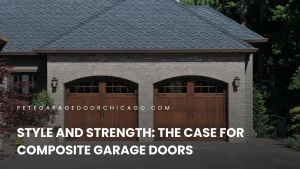
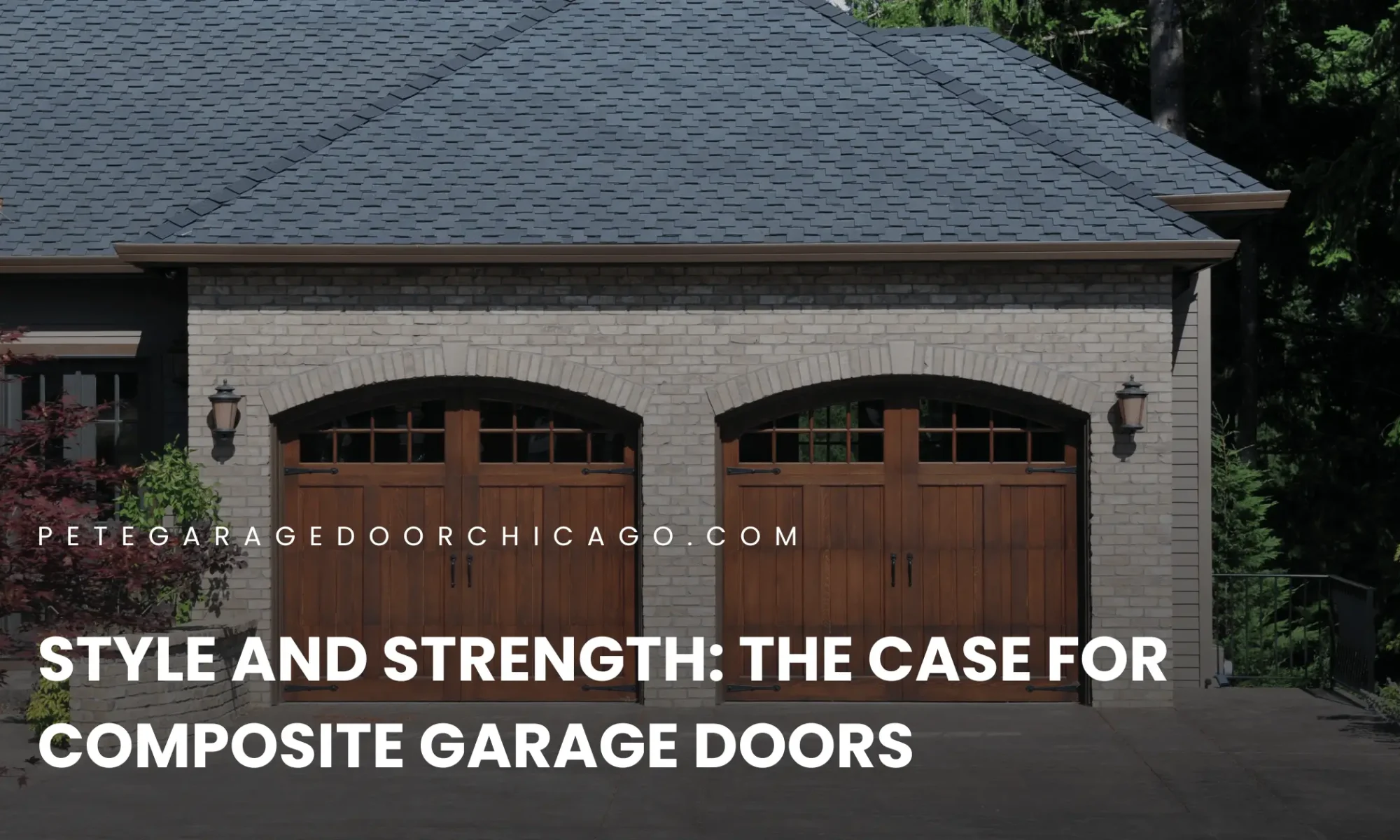
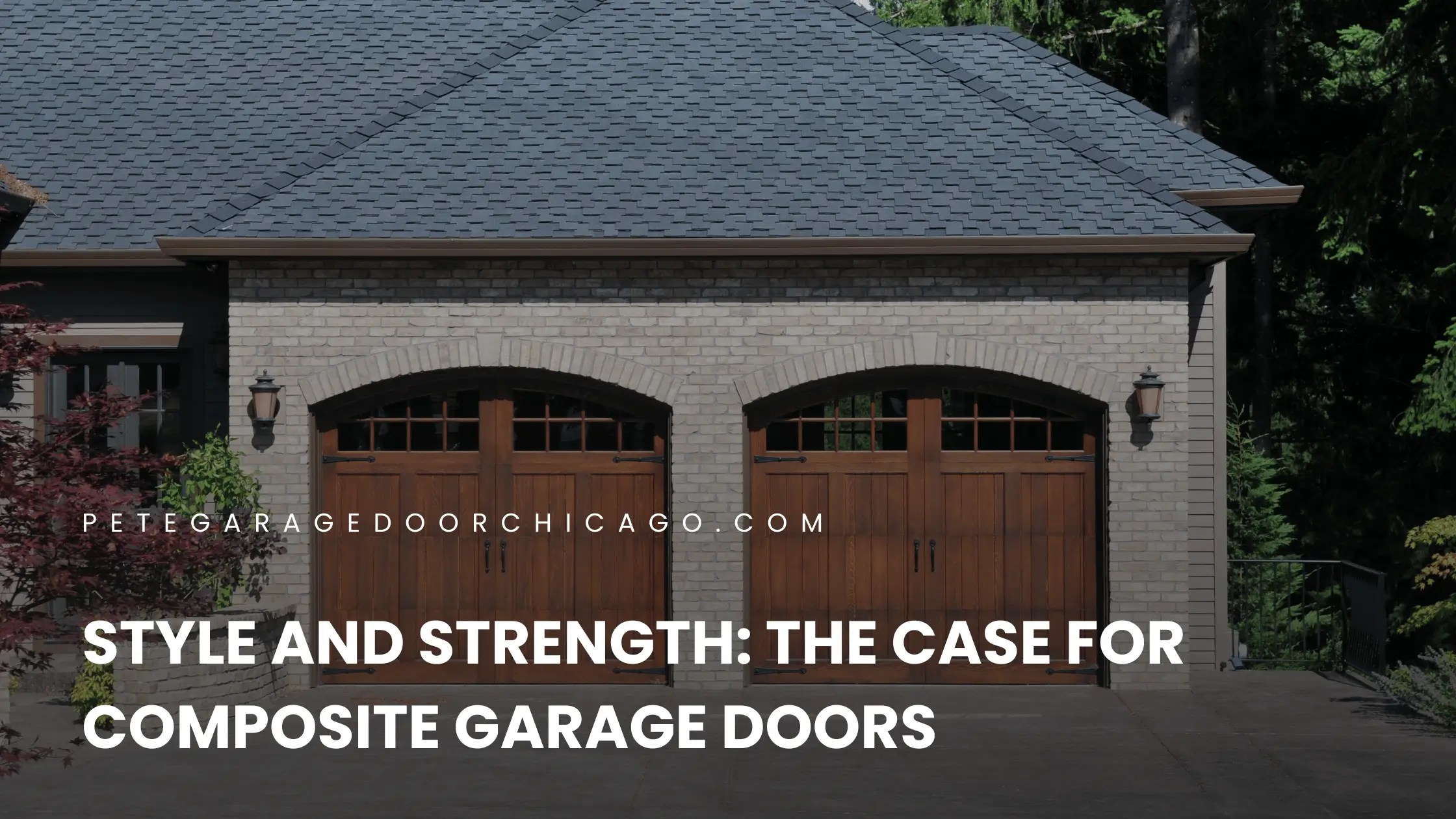
With the look of natural wood and the strength of engineered materials, composite doors meet a wide range of practical needs. Their layered construction holds up well against moisture, impact, and daily use, while their exterior can be customized to match a variety of architectural styles. This combination makes them a great fit for homes across different Chicago neighborhoods.

It’s easy to see why interest in composite garage doors in Chicago continues to grow. They provide long-term durability and low-maintenance performance, all while enhancing curb appeal.

What Exactly Is a Composite Garage Door?

Composite garage doors are built using a blend of materials—often wood fibers, plastics, and resins—engineered to create a strong, stable surface. These materials are pressed or molded into panels that replicate the grain and tone of real wood, giving the door a premium appearance without the typical upkeep. The inside structure often includes a steel core or insulated layer for added strength and energy efficiency.

Unlike traditional wood doors, composites won’t warp, rot, or absorb moisture. That matters in climates with temperature swings and frequent precipitation. It also means fewer repairs and less frequent repainting or staining over time.

Why Composite Performs Well in Chicago

Chicago’s seasonal extremes call for garage doors that can handle rapid changes in heat, cold, and humidity. Composite doors offer a level of weather resistance that traditional wood can’t match. Their materials don’t absorb moisture, so they won’t swell or split during wet winters or humid summers.

Even better, many composite models include insulation built into the core. That helps stabilize indoor garage temperatures, reduce energy costs, and make attached garages more comfortable. For homeowners looking for a practical upgrade with lasting value, composite doors deliver on multiple fronts.

Design Styles and Finishing Options

While practicality matters, design is just as important to homeowners looking to make an exterior upgrade. One of the biggest draws of composite garage doors is their ability to match a wide variety of styles.

Popular composite door styles include:

  • Carriage house panels with decorative hardware
  • Traditional raised or recessed panels for a classic look
  • Flush, minimalist surfaces for modern and contemporary homes
  • Faux wood grain finishes in tones like mahogany, walnut, or cedar

Some models allow for window inserts, color-matching to home exteriors, and even custom stain tones. This flexibility makes it easy to get the visual appeal of wood without the ongoing care wood requires.

How Composite Compares to Other Garage Door Materials

Choosing the right material for your garage door isn’t just about looks. It’s also about how it functions over time and in the conditions where you live. Composite doors strike a balance between aesthetics and durability.

Steel doors are strong and low-cost but prone to denting and rust if not properly coated. Wood doors are beautiful but demand frequent care to prevent rot and cracking. Vinyl offers decent resistance to weather but lacks the premium appearance many homeowners want. Composite materials stand out because they combine the look of real wood with performance that holds up year after year.

What to Look for When Buying

If you’re exploring options for composite garage doors in Chicago, there are a few key factors that help determine long-term satisfaction.

Focus on these features during your search:

  1. Insulation rating: Especially important for energy efficiency in extreme weather
  2. Durability of the outer skin: Thicker skins resist dents and fading
  3. Reinforcement: A strong internal frame prevents sagging or twisting
  4. Compatibility with openers: Heavier doors may require stronger motor systems
  5. Warranty coverage: Good warranties indicate manufacturer confidence

Choosing the right model involves both style and performance. It’s worth checking whether your door’s hardware and opener system are compatible with the new material before installation.

Upkeep Is Minimal but Still Important

Composite doors require very little maintenance, but a few seasonal tasks can help keep them looking and functioning like new. Since the material doesn’t absorb water or swell, it doesn’t need to be sealed or stained like traditional wood.

Washing the surface a few times per year with a hose or mild soap can remove salt and grime buildup. You should also check the weather stripping at the bottom and around the frame to ensure a tight seal. Hinges and rollers still benefit from occasional lubrication with silicone spray to reduce wear and noise.

Why More Homeowners Are Making the Switch

Composite doors offer the appearance of high-end wood with the reliability of synthetic materials. In climates where wood might fail and steel might rust, composite holds strong. They deliver a premium look with less stress and lower maintenance costs over time.

For homes across the Chicago area, composite garage doors provide a smart upgrade. They resist the moisture, salt, and freeze-thaw cycles that take a toll on other materials. With design flexibility and practical durability, they’re an option that makes sense for both new construction and replacement projects.

If you’re planning a home improvement project or looking to improve the function and appearance of your garage, the team at Peter and Sons Construction can walk you through options that fit your goals. Whether you’re comparing materials or exploring energy-efficient features, their experience working with Chicago homeowners ensures the right fit.

Why Fire Safety Should Start at the Commercial Garage Door

Why Fire Safety Should Start at the Commercial Garage Door

In many commercial buildings, the garage or loading bay is one of the largest access points — and one of the most vulnerable in the event of a fire. While most businesses invest in alarms, extinguishers, and sprinkler systems, the garage door is often overlooked as part of a fire protection plan. That’s a mistake.

The right garage door does more than secure vehicles and equipment. It plays a role in slowing down fire spread, protecting employees, and giving first responders more time to act. In high-risk settings such as warehouses, manufacturing plants, or storage facilities, having the proper door can reduce damage and meet local safety codes.

This is where fire-rated commercial garage doors come in. These doors are built to perform under pressure. They’re tested and certified to resist heat and flames for a set period, helping contain a fire instead of feeding it. If your building relies on a standard steel or overhead door without a fire rating, you might be leaving a critical gap in your safety plan.

What Makes a Door Fire-Rated?

Not all commercial doors are designed to resist fire. A fire-rated commercial garage door is built with materials and construction methods that prevent the spread of heat and flames for a specified time — usually 45, 60, 90, or 180 minutes, depending on the model.

To qualify for a fire rating, the door must pass independent lab testing under extreme heat and remain structurally intact without warping, failing, or allowing flames to penetrate. These doors often include features like:

  • Fire-resistant steel or composite panels
  • Insulated cores that prevent heat transfer
  • Automatic closing systems activated by alarms
  • Seals that expand to block smoke and flames
  • Labels or tags that certify compliance with UL, NFPA, or other fire codes

Unlike regular doors, fire-rated models are installed with specific hardware and frame requirements to ensure the entire system performs as intended.

Who Needs Fire-Rated Garage Doors?

Not every commercial property requires a fire-rated door, but many do, especially in industries where flammable materials are present or where fire barriers between units or sections of a building are required by code.

Common places where fire-rated commercial garage doors are installed include:

  • Auto repair shops
  • Manufacturing facilities
  • Commercial kitchens or food processing areas
  • Warehouses and fulfillment centers
  • Parking structures with equipment storage
  • Buildings with attached residential or office spaces

If your local building codes reference NFPA 80, IBC, or UL 10B standards, you likely need a rated door for certain zones or entry points. It’s also worth checking your insurance policy; some carriers offer better rates for properties using certified fire-rated barriers.

Performance and Operation

One concern some business owners have is whether a fire-rated door will function like a regular overhead door. The answer is yes, with some added features.

These doors operate like standard roll-up or sectional garage doors but are equipped with automatic closing mechanisms triggered by alarm systems or fusible links. That means during normal use, they open and close like any other door. But when a fire alarm sounds or temperatures reach a critical point, the system engages, and the door closes automatically to create a fire barrier.

They’re designed to balance daily usability with emergency readiness. Most models also support manual operation or motorized openers for regular traffic.

Benefits Beyond Compliance

Even if your local code doesn’t require one, there are reasons to consider fire-rated commercial garage doors in your facility.

Top benefits include:

  1. Increased safety for people and property
    A rated door slows down the fire, giving people more time to evacuate safely and protecting inventory or critical equipment behind the barrier.
  2. Improved insurance positioning
    Businesses that take extra steps to reduce fire risk may qualify for insurance discounts or lower liability in the event of damage.
  3. Reduced damage and downtime
    Fires that are contained quickly often lead to faster recovery. A fire-rated barrier limits the reach of smoke and flames, helping you avoid full-building loss.

Better compliance with future inspections
Even if not required now, future safety inspections or expansions may make fire doors mandatory. Having one installed now can make those transitions easier.

Maintenance and Testing Requirements

Because these doors play a critical safety role, they must be maintained properly. Fire-rated garage doors require annual inspections to ensure the door, track system, and closing mechanisms are all in working order.

It’s not enough to test the opener; you’ll also need to confirm that the automatic drop system works, that no parts are obstructed or worn, and that the door can fully close without delay. Businesses that skip testing may find themselves out of compliance or at risk in an actual emergency.

Some local codes require documented testing or certification logs that show the door was inspected and tested by a qualified technician. Skipping that step could affect your liability or insurance coverage if a fire occurs.

What to Look for When Choosing a Fire-Rated Door

Not all models are built the same, and choosing the right one depends on your building type, fire zoning, and usage needs.

Key factors to consider include:

  • Fire rating time (45, 90, 180 minutes)
  • Manual vs. automatic closing options
  • Thermal insulation values
  • UL/NFPA certification
  • Integration with your current fire alarm system
  • Material durability (steel vs. composite vs. specialty blends)
  • Space requirements for roll-up vs. sectional doors

Working with a qualified installer can also help you confirm that the frame and wall construction meet requirements for rated installation. A fire-rated door won’t work as intended if it’s not properly mounted or maintained.

Don’t Overlook the Most Active Fire Barrier in Your Building

Every building has systems in place to protect against emergencies, but not every system gets used daily. The garage door does, and that makes its performance even more important. When an emergency happens, the door’s ability to close, seal, and contain a fire may determine how much is saved and how much is lost.

If you’re managing a facility in Chicago or nearby and haven’t reviewed your fire barrier systems lately, it may be time to take a closer look at your garage setup. A basic steel roll-up door won’t offer the same protection or meet the same standards as a rated system.

The team at Peter and Sons Construction can help assess your current garage door system and offer guidance on repairs, upgrades, or code-compliant options that align with your building’s needs without upselling you on features that don’t serve your space.

Garage Door Maintenance Tips Every Homeowner Should Know

Garage Door Maintenance Tips Every Homeowner Should Know

Garage door maintenance might not be the first thing on your to-do list, but skipping it can lead to unexpected problems and expensive repairs. A smooth-running garage door isn’t just convenient, it plays a role in home safety, insulation, and even curb appeal. In a climate like Chicago’s, maintenance becomes even more essential. Harsh winters, salty roads, and fluctuating temperatures mean garage components face extra wear.

Knowing what to look for and when to act helps prevent larger issues later. From worn-out rollers to loose hardware, most problems start small and build gradually. A few simple checks each season can keep your system running smoothly and extend its lifespan.

Chicago garage door maintenance needs to consider the local environment. Heavy snowfall, shifting temperatures, and moisture can all lead to premature wear. Staying proactive helps avoid surprises when you need your garage door to work most during daily routines or in extreme weather.

Why Regular Maintenance Matters

Garage doors are complex systems made of parts that rely on one another, springs, rollers, tracks, hinges, and openers. When one part starts to fail, it often creates strain on others. Minor issues like squeaking or sticking might seem small, but they signal a larger need for inspection.

For homeowners in Chicago, temperature changes can cause parts to expand and contract, loosening connections and putting strain on the opener. Without maintenance, this can lead to misalignment or worn-out components. Keeping the system tuned protects your investment and helps maintain safety and performance.

Signs Your Garage Door Needs Attention

Some signs of wear show up gradually, while others become apparent quickly during daily use. It’s a good idea to act early rather than waiting for the problem to worsen.

Common signs include:

  • Uneven or jerky movement when opening
  • Noisy operation with grinding or squealing sounds
  • Door that struggles to close fully or opens slowly
  • Rust on hinges, tracks, or visible hardware
  • Light coming through when the door is shut
  • Loose panels or sagging sections

Paying attention to these early warning signs can help you schedule timely repairs and avoid more costly issues down the road.

Maintenance Tasks for Chicago Homeowners

In a climate with hot summers and freezing winters, Chicago garage door maintenance should follow a seasonal rhythm. Spring and fall are ideal times to perform checks, address wear, and prepare for upcoming temperature shifts.

Key maintenance tasks include cleaning the tracks, lubricating moving parts, tightening bolts, and checking the weather seal. These small actions prevent bigger issues like rust buildup or motor strain. Taking the time to perform routine upkeep helps reduce energy loss, noise, and wear over time.

Basic Tasks That Make the Biggest Difference

For a simple but effective checklist, focus on these tasks:

  • Lubricate moving parts: Use silicone-based lubricant on hinges, rollers, and springs. Avoid grease, especially in cold months.
  • Test door balance: Disconnect the opener and lift the door manually. It should stay halfway open. If not, spring tension may be off.
  • Check safety sensors: Make sure nothing blocks the sensor path and that the auto-reverse works properly.
  • Clean the weather seal: Look for cracks or gaps along the bottom and replace if necessary.
  • Inspect cables: Frayed or loose cables are a safety hazard. Don’t try to fix them yourself; call a pro.

These few checks can significantly extend the life of your door and reduce the risk of sudden breakdowns.

When to Call a Professional

While basic upkeep can be done at home, there are moments when professional service is the better route. Repairs involving tension springs, motor issues, or electrical work carry risk and usually require tools most homeowners don’t have.

Professionals are trained to spot early signs of deeper issues, make safety adjustments, and recommend improvements. If your door is frequently malfunctioning, making loud noises, or feels off track, it’s best to get it checked. In the Chicago area, winter damage like frozen parts or warped panels may require extra attention after a rough season.

Save Long-Term by Staying Proactive

Maintenance doesn’t just prevent immediate breakdowns; it also saves money over time. Regular inspections and simple care can extend the lifespan of your opener and moving parts. That means fewer unexpected bills and more consistent performance, especially when temperatures shift or usage increases.

Here’s how staying proactive helps:

  • Fewer emergency service calls
  • Longer spring and opener lifespan
  • Less noise and smoother operation
  • Better insulation and lower energy bills
  • Higher resale appeal with a well-maintained system

A small investment of time a couple of times a year makes a big difference when it comes to avoiding costly repairs.

What Chicago Homeowners Should Prioritize

With unpredictable winters and humid summers, garage doors in Chicago go through more wear than in many other regions. Inspections should focus on signs of salt corrosion, frozen seals, and warping from temperature changes. Proper insulation is also important for keeping the garage temperature stable and reducing stress on the system.

Chicago garage door maintenance should always include seasonal checks, especially in spring and fall. These inspections help reset your system before major temperature changes, giving you more confidence your door will operate smoothly when you need it most.

Keep Your Door Working Like It Should

Whether your garage is part of your daily routine or mostly used for storage, keeping the door in good shape makes your home safer and more efficient. Small tasks like tightening bolts and testing sensors take minutes, but they prevent hours of frustration later.

If your garage system hasn’t been checked in a while, it’s a good time to schedule a tune-up. A reliable service provider can help make sure everything is in working order and guide you through repairs, upgrades, or insulation needs tailored to your home.

Peter and Sons Construction understands how Chicago’s climate impacts garage door performance. From minor adjustments to full inspections, their team can help keep your system running smoothly no matter the season.

Before You Buy a Garage Door Controller, Read This

Before You Buy a Garage Door Controller, Read This

A reliable garage door controller can make life easier, especially when you’re heading out in a hurry, coming home with your hands full, or just want to double-check if the door’s closed. Today’s controllers do far more than just open and shut your garage door, they offer better access, monitoring, and control from almost anywhere.

Still, not every garage door controller is worth your money. Some models pack in features you won’t use, while others skip important basics like user access management or activity tracking. If you’re considering a controller upgrade, knowing what to prioritize will help you choose a system that fits your daily needs, works well with your current setup, and keeps your garage secure.

What a Garage Door Controller Actually Does

A garage door controller is the part of the system that communicates with the opener to raise or lower the door. In modern setups, this includes wireless components, app integration, voice assistant compatibility, and sensor feedback. While older systems relied on remotes or wall switches, newer controllers give you the ability to check your door’s status and operate it from your phone.

Many of the newer options include notifications, remote access, and scheduling, all of which improve convenience and add peace of mind. Some models even support geofencing, which can close your garage automatically when you leave a set area.

You don’t need a high-tech home to make use of a smarter controller. Most models are plug-and-play and designed to work with a wide range of openers, especially if you already have Wi-Fi in your garage or nearby.

Signs It’s Time to Upgrade

If you’ve ever pulled into your driveway wondering if the garage door is open or tried to manage access while away, you’ll likely benefit from a better controller. Common signs that it’s time to upgrade include:

  • Your current remote works inconsistently or has short range
  • You can’t check door status remotely
  • You have multiple users and no way to manage access
  • Your system doesn’t support app integration
  • Your door lacks auto-close or security alerts

Many garage door systems installed more than a decade ago are still using basic remotes. If you’re using an older wall-mounted button and traditional remote fob, a new controller gives you better security, more visibility, and smarter operation.

Smart Features That Are Actually Useful

Shopping for a garage door controller can be overwhelming with all the options out there. Here are the features that genuinely add value, the ones you’ll actually use day to day.

Top features to consider:

  1. Mobile App Control
    This is the baseline for modern controllers. A good app lets you open, close, and monitor the door in real time. Look for apps with clear status displays and responsive controls.

  2. Push Notifications
    Alerts when the door is opened, closed, or left open help you stay in the loop — especially helpful for households with multiple drivers or kids.

  3. Multi-User Access
    Choose a system that lets you add or remove users easily. Temporary access for guests, pet sitters, or deliveries keeps things simple and secure.

  4. Activity Logs
    See who opened the door and when. This is useful for working parents, small businesses, or those keeping track of teen drivers.

  5. Voice Control Compatibility
    Some controllers connect with Alexa, Google Assistant, or Siri. This isn’t essential for everyone but adds hands-free control if you already use these systems.

  6. Geofencing and Scheduling
    These features let your garage close automatically when you leave or at a set time each night, helpful for forgetful mornings or extra nighttime security.

While some controllers also offer integration with smart home hubs, those features are only useful if you already use smart lights, locks, or thermostats. For most homeowners, the above features cover the real-world needs without adding complexity.

Installation and Compatibility Considerations

A garage door controller isn’t difficult to install, but compatibility matters. Before you buy, check that the system works with your specific garage door opener. Most controller brands list compatible models on their websites or in product specs. Some require additional adapters for certain opener brands.

Most DIY-friendly controllers install in under an hour with basic tools. You’ll typically mount a sensor on the garage door and connect the controller to the opener using provided wires or a wireless bridge. A nearby power outlet and Wi-Fi signal are essential for reliable performance.

For older garages or openers without Wi-Fi, you may need a bridge or extender. If that’s the case, consider bundling installation with other upgrades to maximize your system’s performance.

Are Garage Door Controllers Secure?

Security is often a top concern when people consider smart controllers, and for good reason. A poorly secured garage can be a weak spot in your home’s defense.

A quality garage door controller uses encrypted signals to prevent code grabbing or unauthorized access. The best models also offer two-factor authentication, so even if someone gains access to your phone or account, they can’t control the door without permission.

Additional smart security features include:

  • Temporary or one-time codes for deliveries
  • Alerts if the door is opened at unusual hours
  • Lockout mode for extended travel or vacations

Make sure your home Wi-Fi is secure with a strong password and regularly updated firmware. These small steps go a long way in keeping your smart devices protected.

The Cost Breakdown

Garage door controllers are affordable compared to full opener replacements. You can expect to pay between $40 and $150 for most consumer-grade smart controllers. Higher-end models that include camera integration or premium app access may run higher.

While price is important, compatibility and ease of use should come first. A cheaper controller that’s hard to set up or unreliable won’t serve you in the long run.

In most cases, you won’t need professional installation. But if your system is outdated or you’re also upgrading other garage components, consider working with a technician who can install and configure the controller along with any needed adjustments.

Get More from Your Garage Setup

Smart home devices have become more accessible and useful, and garage access is no exception. A modern garage door controller adds function without overcomplicating things. From alerts to remote access, these systems are built to support everyday routines and help you manage your home more easily.

If you’re exploring better ways to improve access and security, a smart controller is a simple, low-cost upgrade with big benefits. For homeowners in the Chicago area, it’s also worth reviewing how your full garage system is working, opener, springs, track, and hardware included.

That’s where Peter and Sons Construction can support the next step. Whether you’re updating part of your system or considering a full upgrade, their team provides experience-backed recommendations and service that keeps your garage running reliably, year-round.

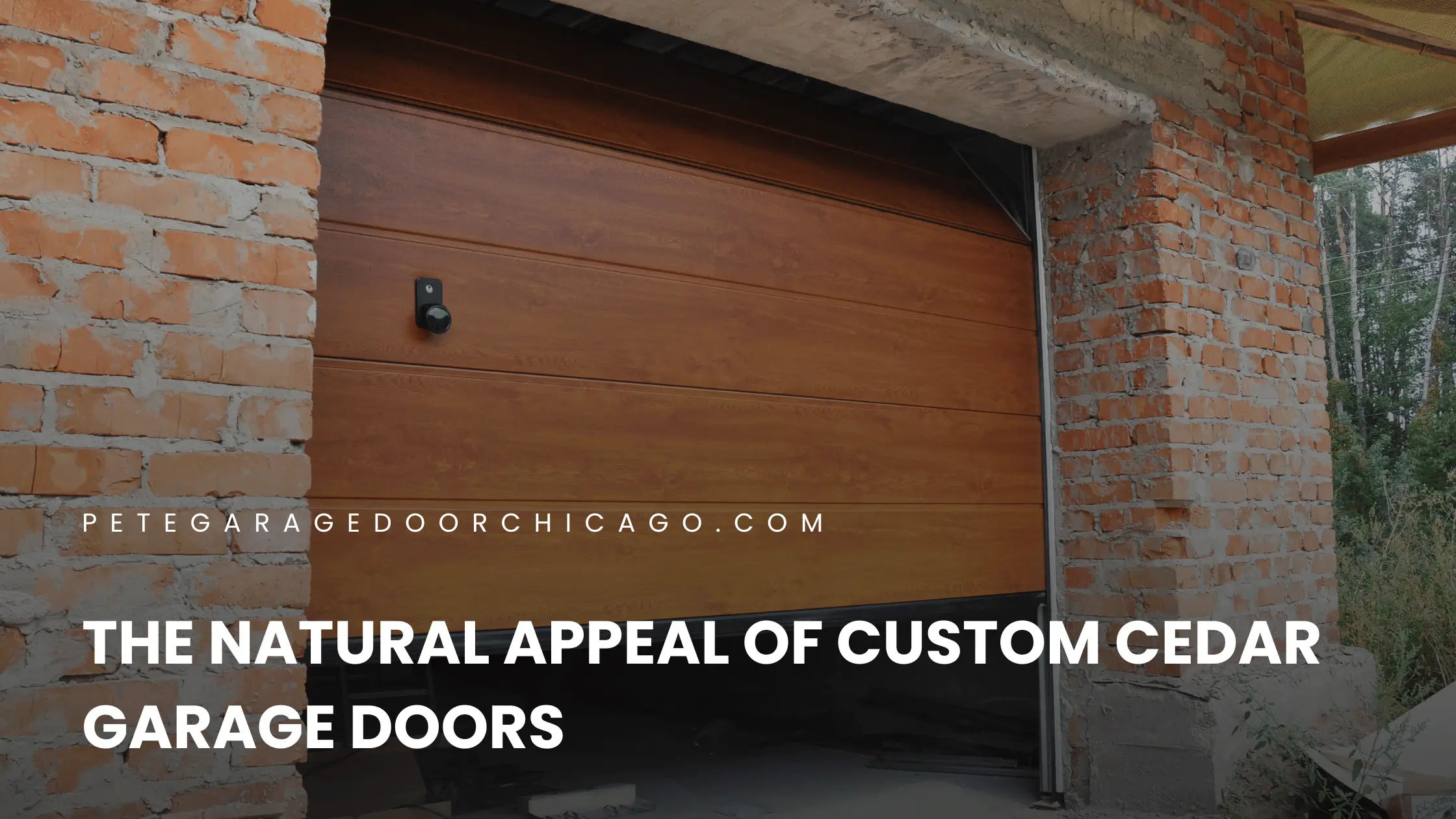
The Natural Appeal of Custom Cedar Garage Doors

The Natural Appeal of Custom Cedar Garage Doors

If you’re drawn to warm tones, natural textures, and long-lasting performance, custom cedar garage doors might be the perfect fit for your home. Cedar is a wood that brings out a unique balance of strength and elegance. It ages beautifully, adds character to the exterior, and offers functional advantages that go beyond surface appeal.

Chicago-area homeowners especially benefit from cedar’s ability to resist decay and insects. The material is lightweight, easy to work with, and holds up well in both humid summers and cold winters. When designed to match the architecture of your home, cedar garage doors can create curb appeal that feels both refined and timeless.

Choosing a garage door isn’t only about utility anymore, it’s also about how it looks as part of your home’s face. From rich grain patterns to versatile stains and finishes, custom cedar garage doors give you the freedom to shape a look that fits your style while supporting long-term performance.

Why Cedar is a Smart Material Choice

Cedar has natural qualities that make it a standout material for garage doors. It resists rot, warping, and insect damage, which is critical in areas like Chicago where climate conditions change dramatically throughout the year. Unlike other woods, cedar handles moisture well without swelling or cracking, helping your door last longer and stay functional across seasons.

It’s also a lighter wood, which reduces stress on garage door openers and hardware. This can extend the life of your system and make operation smoother. Because it’s easy to shape and finish, cedar is especially well suited for custom designs, giving you options for paneling, insets, windows, or decorative trim.

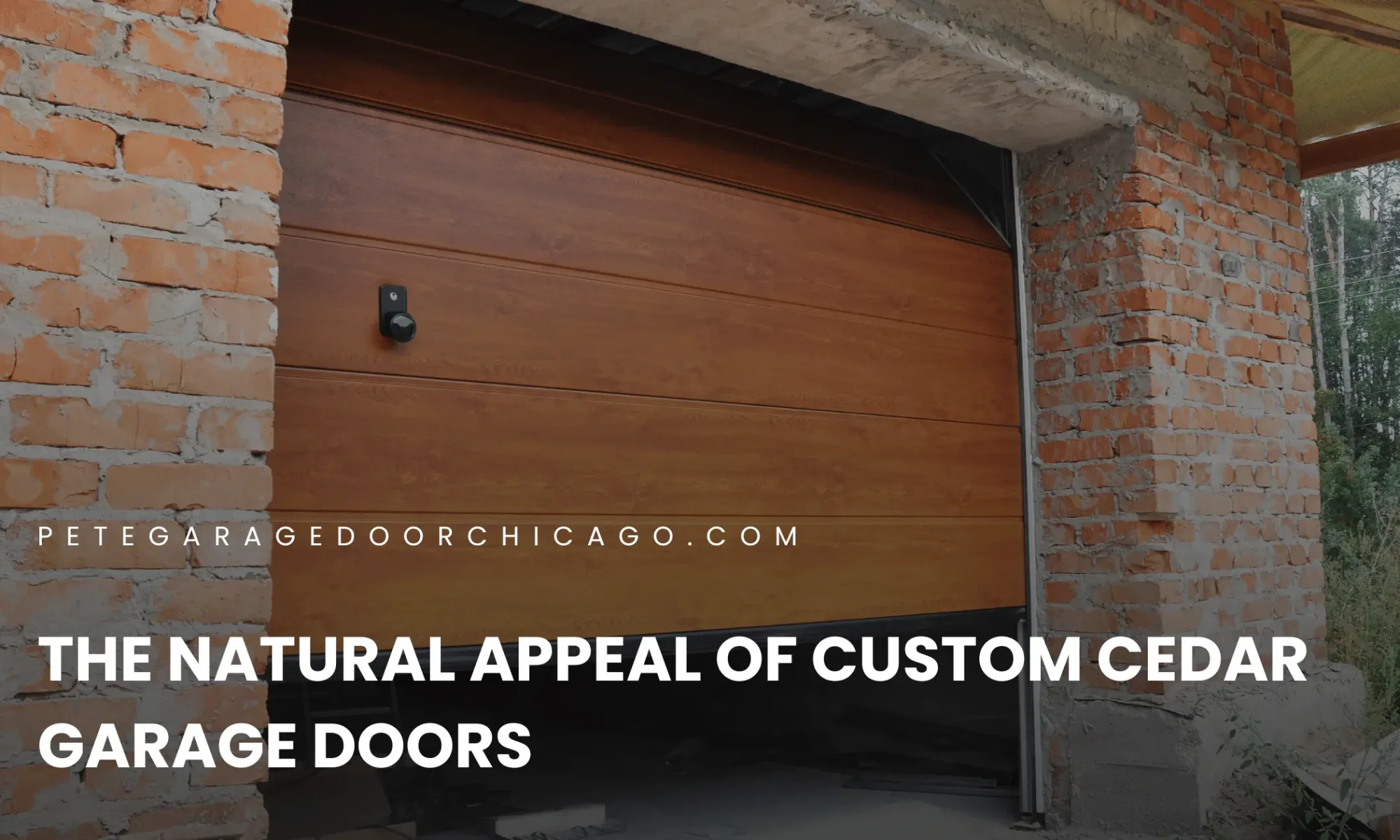
Color retention is another plus. Cedar accepts stain and paint well, giving you flexibility over time. As the door ages, you can refresh it with a new finish or let it weather naturally to a silvery gray for a more rustic feel.

Customization Options That Make an Impact

Designing custom cedar garage doors opens up a range of aesthetic choices. You can shape how the door fits into the architecture of your home and how much visual presence it has from the curb. Here are some of the features you can personalize:

Common customization areas include:

  • Panel style: Options range from classic recessed panels to full plank layouts or vertical boards for a more traditional carriage look.
  • Trim and accents: Crossbucks, overlays, and arched top sections can reflect farmhouse or Craftsman design styles.
  • Windows: Adding windows not only softens the door’s appearance but also lets light into the garage. You can choose clear, frosted, or decorative glass.
  • Stains and finishes: Whether you want a warm red tone or a deeper walnut look, cedar takes stain beautifully and allows you to control the level of contrast or richness.

Hardware also plays a role in your door’s final look. Forged iron handles, hinges, or studs can add personality and highlight the natural wood grain.

What Style of Home Pairs Well With Cedar?

Cedar works with a wide variety of home designs. Its texture and tone bring warmth to stone, brick, or siding exteriors. For modern homes, horizontal plank layouts with minimal trim and wide panels can create a sleek, wood-forward appearance. For more traditional homes, vertical boards and crossbuck accents add a handcrafted feel.

Craftsman homes often benefit from cedar’s natural tones and the ability to match or complement trim and exposed woodwork. Farmhouse-style homes pair well with carriage door layouts and decorative hinges, while more contemporary builds can use cedar’s clean lines to soften sharp geometry and add warmth.

The key is coordination — using color, grain, and pattern to echo other exterior features like shutters, beams, or the front door. A well-designed cedar garage door won’t overpower the house, but it will anchor it visually.

How Cedar Performs in Harsh Weather

Cedar holds up well in environments that experience high humidity, cold winds, or snowfall. The wood’s natural oils help it resist moisture absorption, reducing the risk of swelling or rot. For homeowners in Chicago, that means the door is less likely to warp during deep winter freezes or develop mold in wet spring conditions.

Finishing your cedar garage door with a high-quality sealant or stain adds further protection. This helps lock out UV rays and rain, reducing fading and wear. Annual inspections and refinishing every few years help maintain both color and performance.

Cedar’s natural insulating qualities also help control temperature swings inside the garage. When paired with an insulated core or proper weather sealing, the door contributes to better thermal regulation and less strain on adjacent living spaces.

Installation Quality Matters

Even the best-designed custom cedar garage doors need proper installation to perform well. Cedar is a wood, so precision fitting is important. If the door isn’t mounted squarely, seasonal changes can cause uneven wear or sticking. A professional installer will ensure that the door sits evenly, opens smoothly, and is well sealed around the edges.

Hardware choice also impacts performance. Lightweight but strong hinges and tracks reduce drag, while high-cycle springs and balanced openers protect the system over time. A well-installed cedar door will feel smooth to operate and create a tight seal when closed.

For homes in windy areas or exposed positions, additional bracing may be added behind the panels to improve durability without changing the door’s look. Experienced installers can walk you through these needs during a consultation.

How to Care for Cedar Garage Doors

Maintaining custom cedar garage doors is mostly about protecting the finish and checking for wear. You’ll want to inspect the door annually for fading, dryness, or water spots. If the finish appears uneven or rough, a light sanding followed by resealing usually restores it.

Basic cedar garage door care includes:

  • Washing the surface once or twice a year with mild soap and water
  • Inspecting corners and joints for gaps or signs of moisture
  • Resealing or restaining every 2–3 years, depending on sun exposure
  • Lubricating hinges and rollers to ensure smooth movement
  • Checking weather stripping to ensure a tight seal

Proper care keeps the door looking rich and prevents the natural grain from drying out. It also protects your investment, allowing the door to last for decades with minimal repairs.

What to Know About Cost and Value

Custom cedar garage doors tend to cost more upfront than stock options or steel doors, but they add strong value through curb appeal and durability. The ability to match or elevate your home’s style can improve resale potential and set your home apart in a crowded real estate market.

Pricing varies based on design complexity, size, hardware, and finishing. A single-car cedar door may start in the low thousands, while a double-door with decorative trim, windows, and high-end hardware will be higher. For many homeowners, the aesthetic impact and long life make the cost worthwhile.

When weighing your options, consider long-term value. Cedar doors age well, resist damage better than many other woods, and offer an upscale look that supports a range of architectural styles.

Natural Style That Lasts

Choosing custom cedar garage doors gives your home a timeless upgrade that works hard and looks good year-round. Cedar offers the texture, strength, and flexibility homeowners want when they care about style but also need performance. When thoughtfully designed and properly installed, these doors stand up to weather, daily use, and changing design trends.

If you’re ready to explore materials and layouts that suit your home’s character, Peter and Sons Construction can help you plan the right solution. From design selection to expert installation, their team provides local support and knowledge to bring out the best in your garage door project.

Need a New Garage Opener in Chicago? Here’s What to Know

Need a New Garage Opener in Chicago Here’s What to Know

When your garage opener fails to respond, makes loud noises, or becomes unreliable during daily use, it may be time to upgrade. A dependable garage opener in Chicago is especially important with the city’s cold winters, humid summers, and heavy daily usage. Homeowners often don’t realize how central this component is until it begins acting up.

From security to convenience, the garage opener plays a key role in how your home functions. Choosing the right one ensures your system runs smoothly, integrates with modern technology, and lasts through seasonal changes. A well-selected opener reduces noise, supports smart controls, and handles daily wear more effectively than outdated models.

Matching Opener Type to Your Home

Not all garage openers are the same. Chicago homes vary in size and garage layout, so understanding the differences between opener types helps narrow your choices. Chain drive models are popular for their strength and durability, especially in garages with heavier doors. 

However, they are louder than other options. Belt drive openers, on the other hand, use rubber belts instead of chains, which makes them quieter, a benefit for attached garages near bedrooms or living spaces.

Screw drive openers operate using a threaded steel rod. They require less maintenance than chain models but don’t handle temperature shifts as well, which is a concern during Chicago winters. Direct drive systems are quiet and efficient, with fewer moving parts that reduce wear over time. These models tend to be a bit more expensive, but they offer smooth operation that works well in modern homes with open floor plans or second-floor bedrooms above the garage.

Key Features to Look For

As garage technology has evolved, openers now offer features that make life easier and improve security. When looking for a new garage opener in Chicago, prioritize features that fit your needs and local climate.

Look for openers that offer:

  • Built-in safety sensors to prevent the door from closing on people or objects
  • Backup battery systems that work during power outages
  • Manual release options in case of emergencies
  • Soft start and stop motors to reduce strain on components
  • Adjustable speed settings for custom operation

Features like these are especially useful in homes where the garage is used frequently throughout the day or in households with kids and pets.

Do Smart Garage Openers Make a Difference?

Smart garage openers are now widely available, and many homeowners appreciate the convenience they bring. These systems let you monitor and control the garage door through a smartphone app. You can open or close the door remotely, check if it was left open, or get notifications of any activity. This is particularly helpful if you have frequent deliveries or family members arriving at different times.

Some systems integrate with home automation platforms, allowing you to connect the garage to lighting, voice assistants, or security systems. A smart garage opener in Chicago can even be programmed to close automatically after a set period, helping you avoid leaving the door open on busy days. These features are less about flash and more about reliable, everyday function that fits modern routines.

Installation Done Right Matters

No matter how advanced your opener is, poor installation can lead to problems. Tracks that aren’t aligned, springs that aren’t balanced, or improperly placed safety sensors all affect performance. Chicago weather adds to the challenge. Cold snaps can stiffen components, while heat and humidity may cause sensor issues or premature wear if installation is sloppy.

A quality installation ensures that the garage opener in Chicago works well with your existing garage door system. The installer should test force settings, check alignment, and confirm that all safety features function correctly. This sets your system up for smooth performance year-round.

How to Maintain Your Garage Opener

Once installed, basic care goes a long way toward keeping your system running smoothly. Chicago’s seasonal temperature swings can affect moving parts, so regular checks are key.

Helpful maintenance steps include:

  • Inspecting the opener’s hardware and tightening loose bolts
  • Checking safety sensor alignment
  • Lubricating moving parts as needed, especially during winter
  • Testing the door’s auto-reverse function
  • Changing remote batteries once a year

Staying on top of these simple steps helps your system stay reliable and minimizes unexpected service needs.

What You Might Pay

Pricing for garage openers varies depending on the drive system, features, and whether smart technology is included. Basic chain drive models are usually the most affordable, while belt or direct drive systems with smart integration can cost more. Labor is another factor, especially if you’re upgrading a system that requires additional adjustments to tracks or springs.

In general, a professionally installed garage opener in Chicago ranges between a few hundred dollars to over a thousand, depending on complexity. While price is important, durability, quiet operation, and ease of use should also factor into your decision.

Signs It’s Time to Replace

If you’re not sure whether it’s time to upgrade, there are some common warning signs. Repeated delays in response time, grinding noises, or openers that stop mid-cycle can all indicate that internal parts are failing. If your opener is more than 10–15 years old, it may also lack important safety or smart features available today.

For Chicago homeowners dealing with malfunctioning remotes, doors that reverse without reason, or loud operation, these are more than just annoyances. These issues suggest your system is nearing the end of its life, and replacing it can improve safety and convenience across the board.

What to Expect Moving Forward

With all the upgrades available today, installing a new garage opener in Chicago is more than replacing a single part, it’s upgrading how you access and secure your home. The right opener makes day-to-day life easier, safer, and better suited to modern routines.

If you’re exploring options or unsure what model would work best for your space, Peter and Sons Construction can help assess your current system and make recommendations that match your garage door, layout, and usage needs.

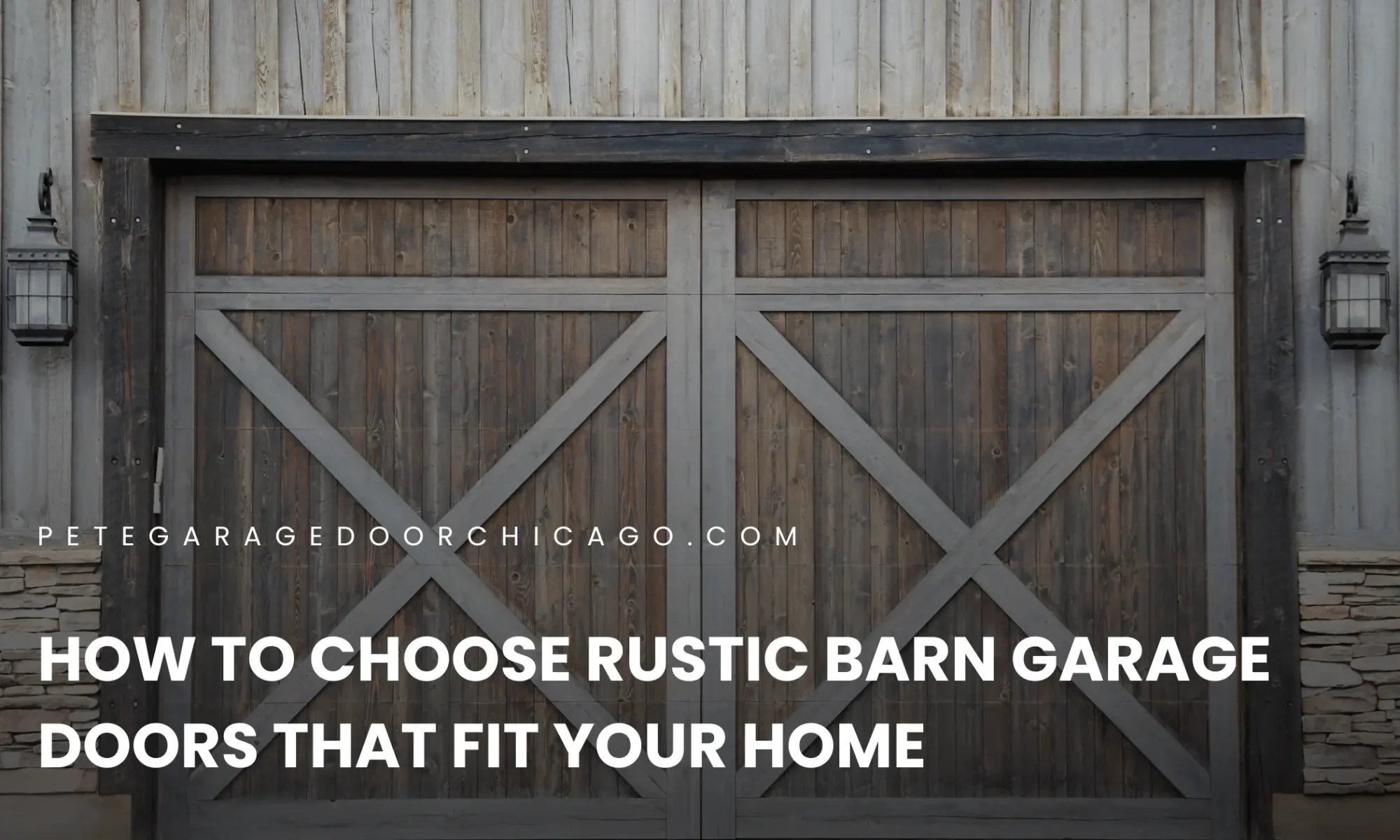
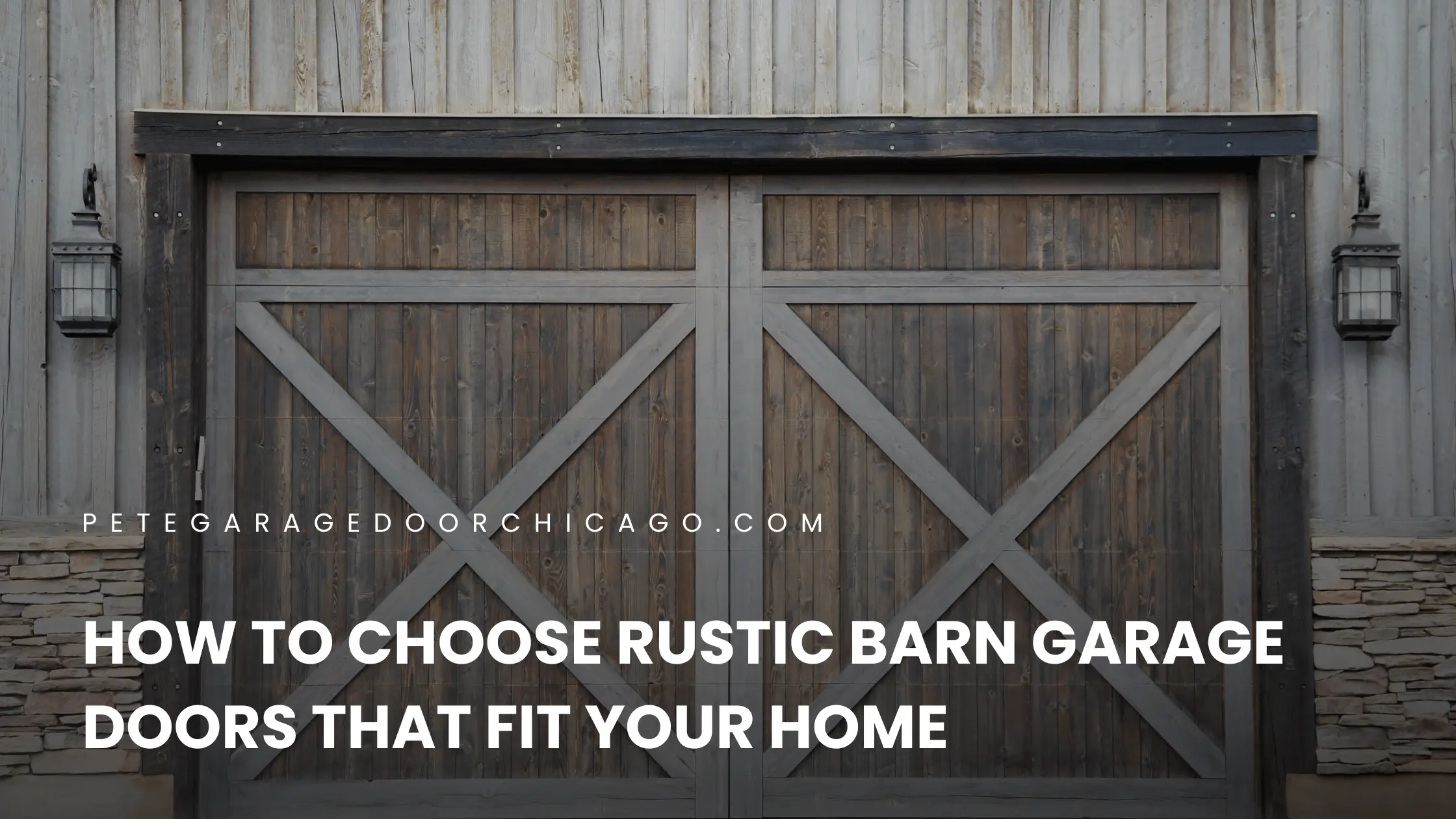
How to Choose Rustic Barn Garage Doors That Fit Your Home

How to Choose Rustic Barn Garage Doors That Fit Your Home

When homeowners want a blend of charm and strong design, rustic barn garage doors are an option that adds character to a home’s exterior. These doors borrow from the traditional barn aesthetic with wood tones, crossbuck patterns, and textured finishes that complement many architectural styles. The warm, tactile feel of a rustic barn garage door helps soften the view of a large opening and makes the structure feel integrated with its surroundings.

Choosing the right rustic barn garage doors involves more than picking a wood tone. You must consider material performance, weather resistance, design details, and how the door interacts with other exterior elements such as siding, trim, and windows. 

In climates with seasonal weather swings like Chicago’s, durability and maintenance become as important as style. Understanding what makes a good rustic garage door helps you select one that works beautifully for your home now and for years to come.

Understanding Design Elements of Rustic Barn Garage Doors

Rustic barn garage doors are defined by features that evoke hand‑crafted construction and natural materials. These visual cues support a welcoming exterior and make a strong design statement.

Common Design Elements Include:

  1. Woodgrain or textured finishes — Wood or wood‑like textures create a warm, organic feel that pairs well with stone, brick, or traditional siding.
  2. Crossbuck patterns and trim details — X or Z patterns on panels echo the look of barn doors from agricultural buildings.
  3. Window arrangement — Placing windows near the top of the door brings light into the garage and highlights design without reducing privacy.

These design elements work together to define the style. For example, crossbuck trim adds historical resonance while window inserts bring modern functionality. The combination of texture, pattern, and proportion gives rustic barn garage doors their distinctive appeal.

Selecting a panel layout that fits your home’s scale matters. Too much detail on a large door can overwhelm the facade, while too little detail on a small door may look underwhelming. Balance between detail and proportion creates harmony.

Materials and Finishes: Balancing Beauty and Durability

Material choice affects both look and longevity. Wood is the classic choice, but modern alternatives offer woodlike appeal with enhanced performance.

Hardwood species like cedar, mahogany, or oak bring rich grain patterns and natural warmth. These woods accept stains and finishes that highlight character and depth. Cedar, in particular, resists moisture and insects, making it a good performer in varied weather conditions. Mahogany offers stability and fine grain that ages gracefully.

For homeowners who like the look of wood but want low maintenance, composite and steel options with woodgrain textures provide excellent alternatives. These materials resist warping, cracking, and fading, and often come with protective coatings that hold up well in sunlight and heavy use. Painted steel doors in rustic tones can echo traditional wood while improving durability.

Finish selection plays a big role in how rustic barn garage doors fit with your home. Natural stains bring out grain and texture, while classic painted tones like deep brown, charcoal, or muted green create contrast and enhance architectural character. Matte and satin finishes soften glare and support the rustic aesthetic without being overly shiny.

Matching Door Style to Your Home’s Architecture

Rustic barn garage doors complement a range of architectural styles, but pairing them well requires thoughtful consideration of your home’s design features.

Traditional and farmhouse homes often benefit from warm wood tones and crossbuck designs that echo front porch details, rooflines, and exterior trim. In these homes, rustic doors provide continuity with other elements such as wood shutters, stone columns, or front door stains.

Craftsman and transitional homes can also benefit from the rustic garage look if the rest of the exterior uses natural materials. Repeating wood tones in trim, fascia, or beams creates cohesion. Choosing hardware in black iron or bronze adds a handcrafted feel that fits with Craftsman sensibilities.

For more contemporary builds that blend old and new, you can still use rustic barn garage doors effectively. In these cases, consider streamlined versions of the style with cleaner lines, minimal hardware, and subtle texture that suggests warmth without interrupting modern geometry.

In every case, look at how much contrast you want between the garage door and the rest of the exterior. High contrast can make the garage a focal point, while close tonal matches keep the door integrated and cohesive.

Color and Hardware Choices

The color you choose for rustic barn garage doors influences mood and curb appeal. Natural wood stains range from honey hues to rich espresso tones. Darker stains create depth and contrast against light siding, while lighter stains highlight natural grain.

If you choose painted finishes, consider tones that harmonize with your exterior palette. Muted earth tones such as warm gray, olive, or slate pair well with stone and brick facades. Classic whites or creams work with trim accents and lighter siding.

Hardware selections should reinforce your design goals. Black iron handles, traditional strap hinges, and wrought decorative accents elevate the rustic feel. These touches help tie the door into the home’s overall exterior rhythm.

Balance hardware size with door scale. Oversized hardware on small doors can look heavy, while too‑small accents on large doors may feel insignificant.

Functional Considerations: Insulation, Weather, and Use

Rustic barn garage doors can have the look you want, but they must also perform well. If your garage connects to living spaces, insulation becomes important. Insulated cores help regulate temperature and reduce noise, improving comfort throughout the year. Proper weather seals at the bottom and sides prevent drafts and moisture from entering.

In climates with cold winters and warm summers, like Chicago, insulation helps stabilize indoor conditions and reduces strain on adjacent HVAC systems. Consider options with polyurethane cores or other higher R‑value materials if temperature control matters.

Hardware durability and finish protection also matter. Outdoor hardware is exposed to rain, sun, and temperature swings. Protective coatings on metal parts extend life and keep finishes looking crisp longer.

Regular maintenance supports longevity. Wood doors may benefit from periodic resealing to maintain finish and resist moisture. Composite or coated steel doors typically need less surface care but still benefit from track cleaning and hardware lubrication.

Installation and Professional Support

Installation makes a significant difference in how well rustic barn garage doors operate over time. Expert installers ensure panels are balanced, tracks are aligned, and weather seals fit correctly. A door that is out of balance or improperly sealed can strain springs and openers, leading to premature wear.

During installation planning, professionals measure your opening precisely and recommend appropriate hardware and insulation options. They also address how the door interacts with your current garage opener and track system.

Choosing a qualified installer with experience in rustic and custom garage doors increases the likelihood of a smooth, long‑lasting result.

Everyday Uses and Lifestyle Fit

For many homeowners, the garage serves multiple roles beyond parking. It may function as a workshop, storage space, entry point, or part of an outdoor living area. Rustic barn garage doors add a layer of visual warmth that supports these varied uses.

Window inserts near the top can bring natural light into the interior, making the space feel less utilitarian and more livable. Frosted or tinted glass options preserve privacy while admitting soft light that makes the garage more inviting.

Think about how the garage space is used daily and choose door features that support that lifestyle. A durable finish and quality hardware help the door keep looking good through frequent use.

Planning for the Future

When you choose rustic barn garage doors, combine style goals with practical planning. Look at external elements such as landscaping, lighting, and trim to see how the door will fit. Test samples of stains or paint colors in different daylight conditions to ensure they match your expectations.

Factor in long‑term maintenance and climate performance as part of your decision. A door that looks great and performs well over time brings satisfaction beyond the initial install.

Design and Function Hand in Hand

Rustic barn garage doors offer visual character, architectural coherence, and design flexibility. When chosen with attention to scale, materials, seasonality, and complementary elements, they elevate your home’s exterior while serving daily needs.

If you want help exploring door options, finishes, and installation planning that match your home’s design and functional requirements, Peter and Sons Construction offers guidance to homeowners. Their team helps coordinate design, material selection, and installation for garage door solutions that support both style and lasting performance.

Buying an Insulated Steel Garage Door in Chicago: What to Know First

Buying an Insulated Steel Garage Door in Chicago What to Know First

Choosing the right garage door for your home is a big decision, and for many Chicago homeowners, an insulated steel garage door Chicago option combines strength, energy efficiency, and visual appeal. Chicago’s climate, with cold winters and warm summers, puts demands on garage doors that lighter or uninsulated doors struggle with. 

An insulated steel door improves temperature stability, offers better resistance to dents than other materials, and helps reduce drafts that can impact areas adjacent to living space.

Grooves, panel styles, and finish options have evolved, giving homeowners more control over curb appeal without sacrificing performance. A well‑chosen insulated steel garage door can complement your home’s exterior while performing reliably through seasonal weather swings. 

As you plan this upgrade, understanding insulation levels, material differences, installation considerations, and maintenance expectations helps you choose a product and service plan that fits both your home style and functional needs.

Why Insulation Matters

An insulated steel garage door does more than look good. The insulation core — typically made of polyurethane or polystyrene sandwiched between steel skins — serves as a thermal barrier. This barrier reduces heat loss in winter and heat gain in summer. For homes with garages attached to living areas or rooms above, this can make a noticeable difference in comfort and energy usage.

Insulation works by slowing the transfer of heat through the door surface. This reduces drafts and helps maintain steadier interior temperatures near the garage. In a climate like Chicago’s, where temperature swings can be extreme, insulation helps reduce the effects of outdoor temperature on indoor spaces.

An insulated steel garage door also tends to operate more quietly than a non‑insulated option. The added layers help dampen noise from outside and reduce vibration as the door opens and closes. This is especially valuable for homes where the garage is used as a workshop, workout space, or a frequently accessed entry point.

Choosing the Right Insulation Level

Homeowners selecting an insulated steel garage door Chicago often consider insulation in terms of R‑value. R‑value measures how effectively a door resists heat flow. Higher R‑values indicate stronger insulation.

Common insulation approaches include:

  1. Polystyrene cores — These provide basic insulation at a lower cost and work well in moderate climates or for detached garages.

  2. Polyurethane cores — More efficient at resisting heat transfer and often foamed in place for better rigidity and structural support.

Polyurethane insulation is generally more effective in extreme climates, which makes it a strong choice for Chicago homes with attached garages or spaces used beyond basic parking. Polystyrene remains a practical choice for garages that are detached or used less frequently.

When choosing insulation, consider how you use the garage. Do you store temperature‑sensitive items? Do you have rooms adjacent to the garage? Do you notice drafts or cold spots in winter? Answering these questions helps determine the right R‑value for your needs.

Material Strength and Daily Use

Steel is known for its strength and durability. An insulated steel garage door resists dents and holds up well against impacts compared to lighter materials like aluminum. Steel panels are also less prone to warping under temperature changes, which is a common concern in regions with large seasonal swings.

The combination of steel and insulation also supports overall door balance. Proper balance reduces strain on springs and openers, leading to longer part life and smoother operation. When panels fit tightly and tracks are aligned, the opener does not have to work as hard, reducing wear on mechanical components.

Another factor in material choice is finish protection. Quality paint or coating protects steel from corrosion and surface damage. Textured or woodgrain finishes offer aesthetic flexibility while still delivering core performance advantages.

Style and Curb Appeal

An insulated steel garage door can suit a wide range of home styles. Modern homes often benefit from sleek panels and minimal detailing in gray, black, or deep blue tones. Traditional homes may look best with classic raised panels and a palette that matches brick or siding.

Design choices include:

  • Panel profile — Raised, flush, or carriage styles
  • Color selection — From classic neutrals to bold accent tones
  • Window placement — Options that bring in natural light without compromising privacy

Windows placed near the top of the door brighten the interior of the garage while maintaining visual balance. Frosted or tinted glass offers privacy while still admitting daylight.

Matching hardware like handles, hinges, or decorative straps gives the door personality and complements other exterior fixtures. Coordinating garage door color and hardware with trim, siding, and entry doors creates a unified exterior look.

Installation Considerations

Professional installation helps ensure your insulated steel garage door operates as expected. A correctly installed door is level, balanced, and sealed. Poor installation can lead to drafts, noise, uneven wear on hardware, and premature part failure.

Installation typically includes:

  • Accurate measurement and sizing
  • Level track alignment
  • Spring tension adjustment
  • Sealing and weatherstrip placement

Weather seals along the bottom and edges reduce drafts and help keep moisture and pests out. These seals also prolong the life of insulation by reducing exposure to fluctuating outdoor conditions.

Choosing a reputable installer makes a difference in long‑term performance. Technicians can also advise on insulation options, hardware upgrades, and smart control compatibility if you choose to integrate remote or app‑based systems.

Maintenance and Long‑Term Care

Insulated steel garage doors require minimal maintenance, but periodic checks are essential to ensure ongoing performance. Inspect weather seals for cracking or gaps. Check rollers, tracks, and hinges for wear and debris. Lubricate moving parts periodically to reduce friction and noise.

Clean the door surface with mild soap and water to prevent corrosion and preserve the finish. Avoid harsh chemicals that can damage paint or coatings. Examine insulation edges and seals each season to verify they remain intact.

Routine maintenance lets you catch small issues before they escalate into costly repairs. Balanced panels operate quietly and reduce stress on springs and openers, extending part life.

Cost Considerations and Value

The cost of an insulated steel garage door varies based on size, insulation type, finish, and hardware options. Steel doors with higher R‑values or custom finishes typically cost more upfront. However, the long‑term performance benefits — including energy savings and reduced wear — often outweigh the initial investment.

Homeowners who plan to live in their homes for many years usually see strong value from insulated doors, especially if the garage is attached or used as a workshop or living extension. Energy performance can reduce heating and cooling load on adjacent spaces, making the entire home more efficient.

Climate and Seasonal Performance

Chicago’s weather is known for extremes — cold winters, hot summers, and moisture swings between seasons. An insulated steel garage door helps moderate those extremes inside the garage. While the garage is rarely fully sealed like an interior room, quality insulation makes temperature swings less dramatic.

In winter, insulation slows heat loss, reducing drafts near garage entries that lead into living areas. In summer, insulation slows heat gain, making the space more comfortable for projects or storage.

Insulated doors also help reduce condensation that can occur when warm indoor air meets cold surfaces. By reducing thermal bridging (the direct transfer of cold through metal), insulation improves overall comfort and protects interior contents.

Smart Features and Modern Expectations

As connected home technology evolves, insulated steel garage doors often pair with smart openers and monitoring tools. App‑based controls let homeowners check door status or operate the door from anywhere. Some systems offer alerts, scheduling, and integration with voice assistants.

These modern features expand the role of the garage door beyond traditional remote control. A connected system gives peace of mind, especially for families with frequent comings and goings or homes with multiple users.

Making the Final Decision

Choosing an insulated steel garage door Chicago homeowners want to enjoy both performance and appearance. Material strength, insulation value, design flexibility, and installation quality all influence long‑term satisfaction.

Balancing upfront cost with long‑term benefits and seasonal performance helps ensure the door you choose fits your lifestyle and home for years to come.

Support for Your Garage Upgrade

Selecting the right garage door involves decisions about color, insulation, hardware, and operation style. If you need help comparing options, planning installation timing, or understanding performance expectations, professional guidance can clarify your choices and set realistic expectations for outcomes. Peter and Sons Construction works with homeowners to align design goals with weather performance and long‑term comfort.

Garage Door Color Trends for 2026: What’s In, What’s Out

Garage Door Color Trends for 2026: What’s In, What’s Out

A new garage door can completely change how a home looks from the street. For those planning a home upgrade in the coming year, paying attention to garage door color trends for 2026 offers insight into what’s gaining attention and what’s fading out. Color choice is no longer just a finishing touch, it helps set the tone for curb appeal and adds personality to your home’s exterior.

Homeowners are starting to prioritize colors that not only match their home’s architectural style but also reflect energy-conscious decisions and lifestyle preferences. As smart home systems and custom garage designs become more common, the focus on appearance is evolving. In 2026, color selections lean toward sophistication, contrast, and warmth without being too loud or flashy.

What’s Driving Color Shifts in 2026

Color trends are changing alongside broader shifts in how people live and interact with their homes. Open floor plans, outdoor living areas, and modern design have all influenced what feels current from the street view. Garage doors play a major role in visual symmetry, often covering up to a third of a home’s facade.

In 2026, homeowners are thinking differently about color for a few key reasons:

  • Higher resale standards: Buyers are paying more attention to garage door design during walkthroughs.
  • Eco-conscious design: Colors that reflect light better or absorb heat evenly are becoming more important in energy-efficient homes.
  • Desire for subtle luxury: Matte finishes, organic tones, and timeless neutrals are overtaking flashy colors.

The impact of these decisions lasts years, so picking a color that holds up against both wear and time is a big part of the process.

Color Families That Will Define the Year

Several color categories are showing up again and again in design boards, product releases, and architectural previews. Garage door color trends for 2026 highlight a push toward grounded and functional color choices that don’t sacrifice style.

Trending Upward:

  1. Earthy greens and sage tones – These offer a fresh, natural feel that blends easily with both traditional and modern homes.
  2. Rich browns and warm woods – Mimicking natural wood grain, these tones provide a warm and classic look, especially popular with carriage-style or faux wood doors.
  3. Matte black and charcoal – Ideal for modern homes and those with steel or glass accents. These colors create bold contrast while staying sleek.
  4. Soft taupes and mushroom grays – A subtle and safe neutral for transitional homes.

Colors in these families tend to work well with varying siding materials, from brick to fiber cement, and they adapt easily to future changes in landscaping or trim color.

Fading Trends to Be Aware Of

Just as some colors are making their way up the popularity charts, others are slowing down. This doesn’t mean these colors are off-limits, but they are being used more selectively, often as accent panels or in unique materials rather than full-door coverage.

Tones losing ground in 2026:

  • Bright whites – While still classic, pure white doors show dirt more easily and can feel too stark on modern builds.
  • Beige and yellow-based neutrals – These are being replaced by cooler or earthier versions.
  • High-gloss finishes – Shiny textures are being traded for satin and matte looks that feel more upscale and easier to maintain.

Homeowners leaning on timeless materials like steel or composite may still use these colors sparingly, but most new builds and remodels are moving toward richer tones.

Matching Door Color to Home Architecture

Garage door color isn’t just a standalone decision, it should feel like an extension of your home’s overall style. Architecture plays a big role in which colors feel natural and cohesive.

Traditional homes: Earthy browns, subtle greens, and darker grays work well to ground older architecture. They create warmth without clashing with classic features like brick or stone.
Modern or contemporary builds: Deep charcoal, black, or even muted blues pair well with large windows, sharp rooflines, and minimalist design.
Farmhouse styles: White or off-white trim pairs well with sage, soft gray, or light brown garage doors. These colors offer charm without overpowering the front view.
Urban or industrial: Matte finishes in bold colors like black or rusted bronze add contrast against steel, concrete, and glass exteriors.

Color matching works best when the garage door isn’t treated as an afterthought. If you’re repainting or replacing other parts of your exterior, the garage door color should be part of the overall palette.

Smart Finishes for Long-Term Value

A growing number of homeowners are also paying attention to how color finishes age. As trends point toward subtle, low-maintenance elegance, matte and satin finishes are becoming the standard. These finishes hide fingerprints, reduce glare, and give a more refined look, especially when paired with modern panel styles.

Color coatings now often include fade-resistant or UV-protective layers that keep surfaces from yellowing or dulling over time. Investing in a garage door with a quality finish helps ensure the color looks just as good in year five as it did on install day.

Tips for Choosing the Right Color

You don’t have to follow every trend, but knowing what’s popular can help guide better decisions. When you’re ready to explore garage door colors, a few tips can make the process easier.

How to narrow your color options:

  • Step back from the street. What do you want your garage door to say about your home from a distance?
  • Consider the roof, trim, and siding. Garage doors don’t need to match exactly, but they should complement.
  • Think about material. Wood tones behave differently than steel or composite when painted or stained.
  • Factor in sunlight exposure. South-facing garage doors may fade faster; choose finishes that resist UV damage.

Getting paint samples or digital visualizations helps avoid surprises. Many homeowners use design tools that let you upload a photo of your home and preview different garage door colors before committing.

The Look That Lasts

Choosing the right garage door color comes down to a balance of personal preference, architecture, and practicality. Garage door color trends for 2026 lean toward timelessness with subtle character. Instead of chasing bold colors that fade quickly, homeowners are choosing colors that work now and still feel right in the years to come.

Pairing a thoughtful color with the right panel design, material, and finish helps complete your home’s look while supporting value and style.

Support That Matches Your Design Vision

Your garage door isn’t just functional; it plays a big part in how your home is perceived. When it’s time to update or replace your garage door, working with professionals who understand both design and durability makes the process easier and more rewarding.

Peter and Sons Construction helps homeowners choose colors, materials, and door styles that match their home’s character and the practical demands of Chicago weather. Whether you’re going bold or classic, they’ll help you find a finish that fits.

Garage Door Repair in Chicago in 2026: What Homeowners Can Expect

Garage Door Repair in Chicago in 2026 What Homeowners Can Expect

As home systems evolve and smart technologies grow more common, garage door repair in Chicago in 2026 reflects both traditional maintenance needs and changing expectations around service and performance. 

Garage doors remain one of the most frequently used systems in residential homes, opening and closing multiple times a day while facing constant exposure to weather and wear. Because of this, repair remains a critical part of keeping homes functional, secure, and comfortable.

Chicago homeowners rely on garage doors for daily access, vehicle protection, and storage. As the city continues to balance historic housing stock with newer construction, repair services must adapt to a wide range of door styles, materials, and operating systems. Looking ahead, homeowners can expect a stronger focus on preventative care, faster diagnostics, and clearer communication when repair needs arise.

Why Garage Door Repair Continues to Matter

Garage doors operate under significant mechanical stress. Springs carry weight, cables guide movement, tracks control alignment, and openers coordinate motion. Over time, even well‑installed systems experience wear. Regular use combined with Chicago’s seasonal temperature shifts increases strain on these components.

In winter, cold air stiffens metal parts and reduces lubrication effectiveness. In summer, heat causes expansion that can affect alignment and tension. These cycles contribute to gradual wear that eventually leads to malfunction. Repair restores balance and ensures the door moves smoothly and safely.

Ignoring early signs of trouble often leads to larger issues. Delayed repair can cause added stress on openers, uneven panel movement, or safety sensor failure. Addressing problems early helps preserve the system and reduces the chance of sudden breakdowns.

Common Repair Issues Homeowners Face

While garage door systems vary, many repair calls stem from a predictable set of problems. Understanding these helps homeowners recognize when professional service is needed.

Typical repair issues include:

  1. Spring fatigue or failure
    Springs manage the door’s weight. When they weaken or break, the door may feel heavy, move unevenly, or stop working entirely. Replacing or adjusting springs restores safe operation.

  2. Track and roller alignment problems
    Tracks can shift over time, and rollers wear down with use. These issues cause noisy operation or jerky movement. Realignment and part replacement restore smooth travel.

  3. Sensor or opener malfunctions
    Modern garage doors rely on sensors and electronic controls. Dirt, misalignment, or aging components can interrupt communication and stop the door from responding correctly.

    These problems are common across both older and newer homes and tend to worsen when left unaddressed.

How Repair Services Are Changing

Looking ahead to garage door repair in Chicago in 2026, service expectations are shifting. Homeowners increasingly value efficiency, clarity, and preventative recommendations rather than reactive fixes alone.

One notable change is improved diagnostics. Many technicians now assess issues using photos or videos shared before a visit. This allows them to arrive prepared with the right tools and parts, reducing service time and repeat visits.

Communication standards are also rising. Appointment confirmations, arrival windows, and repair summaries are increasingly shared digitally. Homeowners appreciate transparency around timelines and costs, which builds trust and reduces frustration.

Preventative service is becoming more common as well. Instead of waiting for a part to fail, technicians assess wear patterns and recommend service before performance declines. This approach helps homeowners avoid emergency repairs and plan maintenance around their schedules.

Safety Remains a Priority

Garage doors are heavy systems that operate under tension. Repair work involves components that can cause injury if handled improperly. Professional repair prioritizes safety through established procedures.

Key safety practices include:

  • Disconnecting power to the opener before mechanical adjustments
  • Testing balance after spring or cable work to ensure smooth movement

Safety sensors are also inspected during repair visits. These sensors stop the door if something blocks its path, protecting people, pets, and property. Ensuring they work correctly is part of responsible service.

Homeowners should avoid attempting spring or cable repairs themselves. These components store energy and require specialized tools and experience.

Seasonal Impact on Garage Door Performance

Chicago’s climate plays a significant role in garage door wear. Cold winters increase metal contraction and reduce flexibility in seals. Snow and ice can interfere with tracks and sensors. Summer heat expands materials and can affect tension settings.

Seasonal inspections help catch problems early. Many homeowners schedule service before winter or after heavy seasonal use. This planning approach aligns with evolving expectations for garage door repair in Chicago in 2026, where prevention becomes as important as repair.

Cost Considerations and Planning

Repair costs vary based on labor, parts, and complexity. Simple adjustments or lubrication are typically modest. Spring replacement, opener repairs, or structural alignment involve more time and materials.

Clear pricing matters. Homeowners benefit from understanding what is being repaired and why. Early repairs often cost less than delayed ones, as unresolved issues can damage additional components.

Planning for maintenance and budgeting for eventual repairs helps avoid unexpected expenses.

Maintenance That Supports Long‑Term Performance

Routine maintenance complements professional repair. Keeping tracks clean, lubricating moving parts, and checking weather seals help extend system life.

Homeowners can also monitor operation. New noises, slower movement, or uneven closing often signal developing issues. Noticing these changes early leads to quicker resolution and less disruption.

The Role of Smart Systems

Smart garage door systems influence how repairs are diagnosed and managed. App‑based alerts notify homeowners when doors remain open or operate abnormally. Usage data can reveal patterns that indicate wear.

These tools help technicians understand system behavior more clearly. As smart features become standard, repair services adapt by combining mechanical expertise with technical insight.

Choosing the Right Repair Support

Homeowners seeking dependable service should look for professionals who combine experience with clear communication. Good repair support includes explaining the issue, outlining solutions, and providing realistic expectations.

Qualities to look for include:

  • Transparent estimates
  • Quality replacement parts
  • Respect for scheduling and property

Community recommendations and consistent service history often signal reliability.

Long‑Term Value of Timely Repair

A properly functioning garage door supports daily routines, home security, and energy efficiency. It reduces drafts, protects stored items, and improves ease of access. Well‑maintained systems also reflect positively during home inspections and resale evaluations.

Investing in timely repair preserves both convenience and property value.

Looking Ahead With Confidence

The future of garage door repair in Chicago in 2026 blends traditional craftsmanship with improved diagnostics, stronger communication, and preventative care. Homeowners benefit from services that respect both the mechanical demands of garage doors and modern expectations for efficiency and clarity.

Staying informed, planning maintenance, and responding promptly to early warning signs help ensure garage doors continue to perform reliably year after year.

Support That Aligns With Your Home

Garage doors play a vital role in daily living. When repair needs arise, informed decisions and professional guidance make the process smoother and more effective.

For homeowners looking for help understanding garage door performance, maintenance planning, or repair considerations, Peter and Sons Construction offers guidance that connects practical function with long‑term home care.

sabung ayam online

sv388

sbobet88

casino online

scatter hitam

server thailand

mikitoto

pintuplay

slot thailand

slot server thailand

slot777

garuda69

sbobet88

sv388

togel hongkong

mahjong ways 2

Mahjong ways 2

sv388

casino online

BESTTOGEL

BESTTOGEL

scatter hitam

casino online

sabung ayam online

judi bola online

live casino online

mahjong ways

hk pools

SABUNG AYAM ONLINE

SLOT MAHJONG

APK SLOT

SLOT MAXWIN

visitorbet

i8live

i8live

sbobet88

judi basket

sabung ayam online

slot mahjong

mahjong slot

slot777

slot mahjong

sabung ayam online

judi bola online

live casino online

judi bola

sabung ayam online

slot mahjong

Mahjong Ways 2 Mendadak Gacor ! Pola Scatter Cepat Ini Lagi Ramai Dipakai

baristabogota.com

buffetbogota.com

cateringeventos.com

cattleyaeventos.com

cocoaeventos.com

coctelesyeventos.com

daiquiricocktailbar.com

elgranbartender.com

elianahernandez.com.co

escortsenbogota.com

fiestadematrimonio.com

fiestasdematrimonio.com

gigolosenbogota.com

grupoempresarialbaen.com

justmarried.com.co

limopartybogota.com

luxuryeventos.com.co

panelaorganica.com.co

pijamasbogota.com

sexshopcolombia.com.co

sextourbogota.com

showsbogota.com

siluetasytonos.com

simondice.com.co

sipirili.com.co

stripperbogota.com

swingerpartybogota.com

uniformesbogota.com

weddingcolombia.com.co

xn--fiestasde15aos-1nb.com

centro-occidente.coneicc.org.mx

mancomunidad.org

ccfdchildcare.com

www.sasrourissol.fr

www.loucaloun.fr

luxuryeventos.com.co

biopreventative.com

www.beton-cire-13.fr

qhiresolutions.com

cptrekking.com.br

bullandbeartravels.co.tz

cattleyaeventos.com

ablaw.vn

www.mishofamarwah.sch.id

grupoempresarialbaen.com

sherleyskin.com

www.adnmart.com

algnutrastore.com

anigeouscosmetics.com

aqua-dotterel-346593.hostingersite.com

bariahouselifting.com

blazeremedies.in

friendspackermovers.com

gravityprints.com

herbalpowerindia.com

homeheartindia.com

kalanishtha.com

kanhapolyfab.com

muzaffarpurgaushala.org

myratrendz.com

northpackindia.com

orchiddecorcrafts.com

orientaltrimex.com

rainurail.com

royalblue-antelope-713279.hostingersite.com

sharprintech.com

thathardwarestore.com

xtronindia.com